
DJ Lighting Effects Guide for Clubs and Stage Shows
DJ lighting effects for clubs and stage shows are most effective when they are designed as part of a full visual system rather than used as random bursts of intensity. In professional entertainment venues, effects shape crowd energy, support musical transitions, strengthen stage presence, and create memorable visual peaks. But the most successful effect systems do not run at maximum all night. They are controlled, layered, and timed to match the rhythm of the room.
For professional buyers such as venue operators, lighting contractors, and entertainment project planners, understanding DJ lighting effects means understanding how movement, strobe, wash, booth background, and laser-style moments work together. A venue with too many uncontrolled effects often feels visually tiring, while a venue with correctly structured effects feels more premium and emotionally stronger.
This guide explains how DJ lighting effects are used in clubs and stage shows, what fixture types create the strongest effect structure, how effect logic changes by venue type, and what professional buyers should evaluate when building an effect-driven lighting system.
What Are DJ Lighting Effects in Clubs and Stage Shows?
DJ lighting effects are the programmed visual actions that create movement, contrast, rhythm accents, and atmosphere inside a lighting system.
In practical terms, lighting effects can include fast beam sweeps, strobe bursts, booth animation, laser textures, matrix chases, color transitions, blackout drops, and movement patterns designed around the music. In professional systems, these effects are not isolated tricks. They are part of the visual language of the venue.
- movement effects create direction and energy
- color effects change mood and atmosphere
- strobe or peak effects increase intensity during drops
- background and booth effects strengthen visual identity
In strong dj lighting environments, effect programming is usually more important than simply increasing fixture quantity.
What Fixture Types Create the Most Effective DJ Lighting Effects?
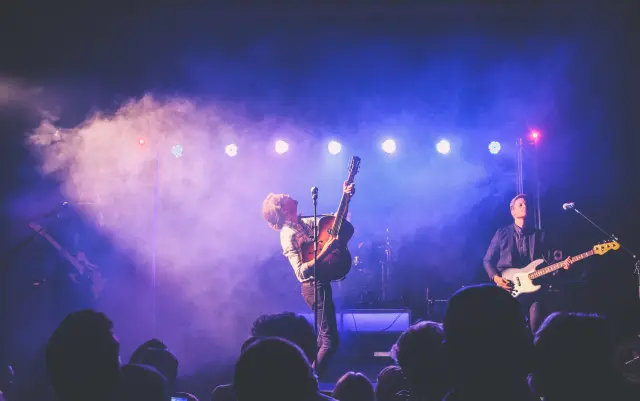
The strongest effect systems usually combine several fixture categories, each with a different role.
- moving head beams for aerial movement and dynamic sweeps
- wash fixtures for color atmosphere and effect support
- strobe units for peak rhythmic accents
- laser fixtures for immersive energetic moments
- matrix or background fixtures for booth and rear animation
In many professional systems, effect-heavy scenes are supported by products such as strobe light, dj laser light, background matrix light, and effect light.
How Should Lighting Effects Be Structured in a Club?
Lighting effects in clubs should follow a layered structure so that different moments feel different in intensity.
One of the biggest mistakes in nightlife venues is running all effect layers aggressively from the beginning of the night. This removes contrast and makes the room feel visually exhausting. A stronger system usually builds effects in stages.
- base atmosphere scenes use wash and subtle movement
- active dance scenes introduce stronger beam motion and color changes
- peak scenes add strobe, faster sweeps, and selective effect intensity
- transition scenes reduce intensity to make the next drop feel stronger
This is why effect programming is not only about what fixtures the room has, but also about when those fixtures are allowed to dominate.
| Scene Type | Main Effect Focus | Visual Goal |
|---|---|---|
| Atmosphere Scene | wash + low movement | mood and continuity |
| Dance Scene | beam movement + color shifts | energy and motion |
| Peak Scene | strobe + fast beam + accent effects | maximum musical impact |
| Transition Scene | reduced intensity + controlled contrast | reset and buildup |
How Are Lighting Effects Different in Stage Shows Compared with Clubs?
Stage shows usually need more directional focus and more cue-based timing than dance-floor-driven clubs.
In a nightclub, the room is often the visual subject. In a stage show, the performer or performance area is usually the subject. That changes how effects should be used. Clubs often prioritize crowd immersion and room energy, while stage shows often prioritize entrances, performer framing, and timed transitions.
- clubs emphasize environmental immersion
- stage shows emphasize cue timing and focal direction
- clubs often run looped effect logic
- stage shows often require more deliberate show-state programming
Even in stage use, however, a supporting wash structure remains important. Without it, effect scenes feel disconnected from the rest of the stage.
What Makes an Effect System Feel Premium Instead of Messy?
An effect system feels premium when intensity is controlled and every visual layer has a reason to exist.
Premium nightclub or stage-show effect systems usually have:
- clear contrast between scene types
- good timing between musical energy and visual response
- balanced use of strobe and motion
- room depth created by background and perimeter support
- effect restraint during low-energy parts of the night
This is why many successful venues combine effect fixtures with a stable movement-and-wash structure built around categories such as moving head dj lights and wash support, instead of using effect fixtures as the whole system.
What Are the Most Common DJ Lighting Effect Mistakes?
Most effect-related mistakes happen when the system is programmed for short excitement rather than full-night experience.
- using strobes too often until they lose impact
- running maximum beam speed constantly
- using laser effects without enough spatial control
- failing to coordinate booth and room effect timing
- creating effects that look impressive up close but weak from the audience perspective
- building scenes around fixture features rather than musical logic
In real venues, the strongest effect systems are not always the most intense ones. They are the ones that create the best contrast over time.
How Should Professional Buyers Evaluate Effect-Driven Lighting Systems?
Professional buyers should evaluate whether the system creates usable effect variety rather than only asking how many effects a fixture can produce.
- does the venue have enough base wash support for contrast?
- do the effect fixtures match the room scale?
- is there enough booth or background support to keep the performer visible?
- can the control system handle scene variation efficiently?
- will the effect structure still feel strong after hours of operation?
Where the venue uses mixed formats, some operators may also want softer scene capability closer to wedding and event lighting during private bookings or non-club modes, which makes contrast planning even more important.
Real Project Example: Improving Club Effect Programming
In one entertainment venue, the original effect program used intense beam sweeps and strobes throughout the whole night. At first the system seemed strong, but after an hour the room felt visually repetitive and tiring. The booth also disappeared during several high-intensity scenes because there was no focused identity layer.
The revised system reduced strobe frequency, added more wash-led atmosphere scenes between peaks, and synchronized booth background effects with the room’s main transitions. The venue immediately felt more premium because the lighting had shape, contrast, and stronger visual storytelling.
Why Does Better Effect Design Improve Venue Performance?
Better effect design improves not only the look of the room but also the perceived value of the venue. A nightclub or stage show with well-timed effects feels more intentional, more professional, and more memorable. It is also easier to brand visually, easier to film, and easier to keep fresh through programming variation.
For professional buyers, this means that better effect strategy can create stronger commercial value without always requiring more hardware.
DJ Lighting Effects – FAQs
What are the most important DJ lighting effects in clubs and stage shows?
The most important effects usually include moving beam patterns, wash-based color scenes, selective strobe moments, and booth or background effects that strengthen visual focus.
Why do some club lighting effects feel strong at first but weak later in the night?
This usually happens when the programming lacks contrast and runs peak-intensity effects too often, making the room feel repetitive and visually tiring.
What should professional buyers prioritize when selecting effect-driven lighting systems?
They should prioritize scene variety, timing flexibility, effect-to-wash balance, and whether the system supports both atmosphere and high-energy moments effectively.
Can better programming improve DJ lighting effects without replacing fixtures?
Yes. In many venues, improving effect timing, booth integration, and contrast between scenes produces better results than simply adding more fixtures.
In conclusion, DJ lighting effects for clubs and stage shows are most powerful when they are layered, timed, and balanced against the wider lighting system. Strong effect design is about contrast, control, and audience perception—not just intensity.
For controller strategy and DMX-based scene building, refer to DMX control.