
How to Control DJ Lighting Systems with DMX Controllers
Controlling DJ lighting systems with DMX controllers is one of the most important steps in turning individual fixtures into a professional lighting system. In clubs, bars, stage shows, and entertainment venues, the quality of the control system often determines whether the lighting feels coordinated and immersive or chaotic and inconsistent. Even strong fixtures can underperform if they are not programmed, grouped, and controlled correctly.
For professional buyers such as venue operators, lighting contractors, rental providers, and integrators, DMX control is not just a technical feature. It affects installation flexibility, scene consistency, maintenance efficiency, and long-term system expandability. A poorly planned DMX setup can lead to address conflicts, delayed effects, unstable signal flow, and scenes that do not match the actual structure of the venue.
This guide explains how to control DJ lighting systems with DMX controllers using practical nightclub logic, fixture grouping strategy, scene programming structure, and real project considerations. It is written for readers who want a DJ lighting system that performs reliably in real club and stage environments rather than only working in short demo conditions.
What Is DMX and Why Does It Matter in DJ Lighting Systems?
DMX is the control language that allows lighting fixtures to receive instructions in a structured and repeatable way.
When a DJ lighting system is controlled properly, DMX makes it possible to synchronize movement, color, dimming, strobe effects, and scene transitions across multiple fixture types. This is especially important in venues where the system must create atmosphere during lower-energy periods and still react aggressively during music drops.
- DMX lets multiple fixtures run in coordinated scenes
- DMX makes programming repeatable across nights and events
- DMX helps group fixture functions by zone and role
- DMX control supports better scalability when systems grow over time
In professional dj lighting equipment systems, DMX is the backbone that turns separate fixtures into one working performance environment.
What Equipment Is Needed to Control DJ Lighting Systems with DMX?
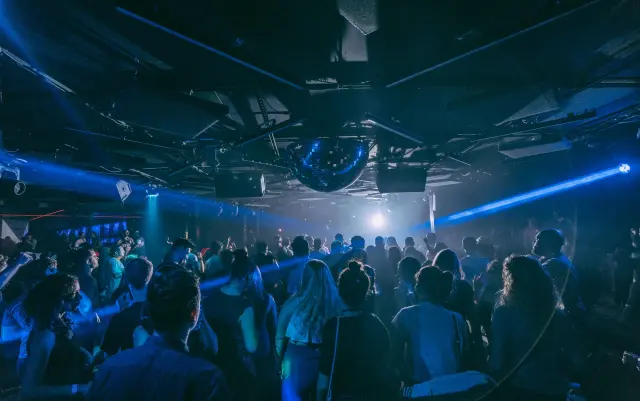
A working DMX-controlled nightclub or stage system usually includes several core parts.
- a DMX control device or lighting console
- fixtures that support DMX channel control
- signal cabling or wireless DMX transmission
- proper addressing and fixture grouping
- optional splitters for larger installations
The control layer is only as strong as the system structure behind it. That is why DMX planning should happen alongside fixture layout and rig planning, not after installation is already finished.
How Should Fixtures Be Grouped for DMX Control?
Fixtures should be grouped by function and zone, not only by physical order on the rig.
One of the most common beginner errors is assigning addresses in the order fixtures are installed rather than in the order scenes need to be built. In real nightclub systems, it is much more efficient to group by lighting role.
- group beam fixtures together for movement scenes
- group wash fixtures by venue zone for room color control
- group booth fixtures separately for focal programming
- group strobe or effect fixtures for peak moments only
This structure is especially useful when the system includes categories such as dj moving head lights, wash fixtures, and booth support layers that need to operate differently within the same show.
| Fixture Group | Main DMX Purpose | Programming Benefit |
|---|---|---|
| Beam Group | movement and aerial sweeps | faster synchronized motion scenes |
| Wash Group | color and room coverage | easy atmosphere changes |
| Booth Group | performer focus | clear visual identity |
| Effect Group | strobes and accent moments | controlled peak energy |
How to Address Fixtures Correctly in a DJ Lighting System?
Correct DMX addressing prevents control conflict and makes the system easier to program and maintain.
Each fixture should have a start address that matches its channel mode and its role in the show. If a fixture uses 16 channels, the next address should leave enough room for those 16 channels. In simple systems, this sounds straightforward, but in real club installations mistakes often happen because fixtures are added later without a clear addressing plan.
- choose channel mode before assigning addresses
- leave clear gaps only when future expansion is planned
- label fixtures physically and inside the controller logic
- keep a written DMX map for maintenance and updates
Professional buyers should understand that good DMX control is not only about the controller. It is also about documentation and service practicality.
What Programming Logic Works Best in Clubs and Stage Shows?
The best programming logic follows the rhythm and spatial structure of the venue rather than using random effect chasing.
In clubs, scenes usually need at least three categories: low-energy atmosphere scenes, active dance scenes, and peak-impact scenes. Stage shows may require additional cues such as performer entrances, vocal focus, or transition looks.
- low-energy scenes should emphasize wash and controlled booth visibility
- dance scenes should combine movement and color changes
- peak scenes should use strobes, fast beam motion, and selective effect intensity
- transitions should create contrast instead of running all fixtures at maximum all night
Systems that include strobe light and laser-based effects should be programmed carefully so that impact moments feel intentional rather than exhausting.
How Does DMX Control Improve Nightclub Atmosphere?
DMX control improves nightclub atmosphere by making the lighting feel intentional, musical, and spatially organized.
Without control structure, even expensive fixtures tend to produce disconnected results. The dance floor may be bright, but the room lacks rhythm. The booth may have light, but it is not visually integrated with the rest of the venue. DMX allows the programmer to create contrast, repetition, buildup, and release, which makes the audience experience feel closer to a complete show.
This is one reason serious venue systems often combine motion fixtures with room color layers such as led wash moving head units instead of relying only on beams.
What Are the Most Common DMX Control Mistakes?
Most DMX problems come from system structure errors rather than from the controller hardware itself.
- address overlap between fixtures
- grouping fixtures in ways that do not match the actual venue design
- using too many chase effects without scene logic
- running large systems without signal distribution planning
- failing to document addresses and fixture modes
- building scenes around short demos rather than full operating nights
In real venue operation, the most frustrating issue is often not total system failure but a control workflow that is too messy to update quickly or maintain efficiently.
Real Project Example: Improving a Club DMX Workflow
In one nightclub project, the original DMX addressing followed installation order rather than fixture role. Beam lights, wash fixtures, and booth units were mixed in sequence, which made programming unnecessarily slow. The club could run scenes, but editing them was difficult and transitions often felt inconsistent.
After the system was re-addressed by function and split into beam, wash, booth, and effect groups, programming became much faster. The same fixtures produced better results simply because the DMX structure matched the visual logic of the venue.
What Should Professional Buyers Check Before Choosing a DMX Control Strategy?
Before finalizing a DMX control setup, professional buyers should check:
- whether the controller matches the complexity of the venue
- whether the fixture channel modes are appropriate for the project
- whether there is a clear addressing and documentation plan
- whether future fixture expansion is likely
- whether the venue needs simple operation, advanced programming, or both
A good DMX system should be reliable for daily operation and flexible enough for future upgrades or show refinements.
DMX Control for DJ Lighting – FAQs
What is the most important part of controlling DJ lighting systems with DMX?
The most important part is creating a clear fixture structure with correct addressing, functional grouping, and scene logic that matches the venue layout.
What causes DMX control problems in nightclub lighting systems?
Most problems are caused by address conflicts, poor fixture grouping, missing documentation, or signal planning that does not match the system size.
How should professional buyers choose a DMX controller for club lighting?
They should choose based on venue size, fixture complexity, programming needs, and whether the operator requires simple scene recall or advanced live control.
Can better DMX programming improve the same lighting fixtures without changing hardware?
Yes. In many real projects, better grouping, addressing, and scene structure significantly improve results even when the fixture hardware remains the same.
In conclusion, controlling DJ lighting systems with DMX controllers is about more than sending signal to fixtures. It is about creating a structured control environment that makes the whole venue feel musical, intentional, and reliable.
For effect-building strategy and scene design, refer to effects.