
Concert Lighting System Guide for Professional Live Events
Professional live events require lighting systems that do far more than illuminate a stage. A concert lighting system for live events must create atmosphere, support performance storytelling, adapt to different venues, and maintain stable operation under demanding show conditions. Whether used in arena concerts, outdoor festivals, touring performances, or televised live productions, a properly designed concert lighting system becomes a central part of audience experience and production value.
For professional buyers such as event production companies, touring managers, venue engineers, and stage contractors, choosing a concert lighting system means evaluating more than brightness or fixture quantity. The system must be scalable, transportable, easy to rig, reliable during long operation hours, and flexible enough to handle different performance formats without full redesign.
This concert lighting system guide explains how professional live event systems are structured, how to select fixture combinations, what rigging and control considerations matter most, and how buyers can choose a system that performs reliably across real-world production environments.
What Makes a Concert Lighting System Suitable for Professional Live Events?
A professional live event lighting system must combine visual impact, structural flexibility, and technical reliability.
Unlike fixed venue installations, live event systems often move between different venues with different rigging heights, stage dimensions, and performance requirements. The system must adapt without losing consistency in output quality or control precision.
- must be modular and scalable
- must support fast setup and teardown
- must remain visually balanced across different stage sizes
- must integrate smoothly with touring production workflows
This is why touring production teams usually begin by establishing a full concert stage lighting architecture before selecting individual fixtures.
What Fixtures Are Usually Included in Professional Live Event Systems?
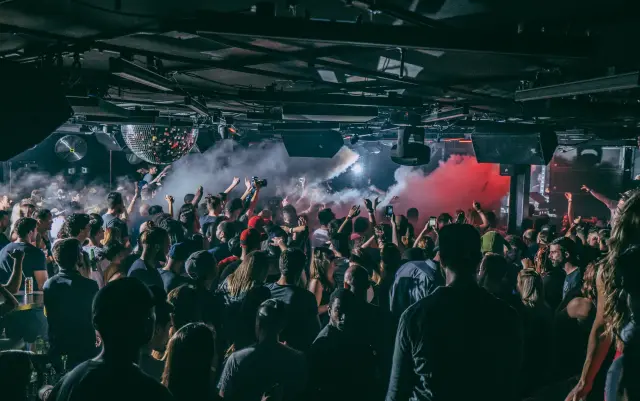
A complete live-event concert lighting system typically combines several specialized fixture types:
- beam moving heads for aerial motion
- wash moving heads for broad stage coverage
- profile fixtures for precision spotlighting
- strobes for musical impact sequences
- laser systems for large-scale climax effects
Many touring productions use combinations including concert moving head profile light, wash hybrids, and strobes to achieve a flexible touring-ready setup.
How Should Concert Systems Be Designed for Touring Events?
Touring events demand modular system design. The same rig may need to perform in arenas, theaters, and outdoor stages within the same tour schedule.
- divide rigs into modular truss sections
- use repeatable DMX addressing blocks
- keep fixture families consistent for faster programming reuse
- plan load weight evenly across touring truss sections
Consistency is crucial because programming efficiency improves when fixture groups remain standardized across venues.
| Touring Element | Main Requirement | Operational Benefit |
|---|---|---|
| Truss Modules | fast assembly | shorter setup time |
| Fixture Standardization | uniform output | consistent programming |
| DMX Group Blocks | repeatable addressing | faster troubleshooting |
What Rigging Considerations Matter Most?
Rigging determines both safety and visual performance. Poor rigging decisions can reduce beam spread, weaken audience immersion, and create unsafe load stress.
Professional live event systems typically use:
- front truss for key wash and profile lighting
- mid truss for main beam movement
- rear truss for backlight and silhouettes
- side ladders for lateral stage dimension
- floor package for dramatic low-angle effects
Strong concert light truss planning improves beam geometry and makes touring logistics more predictable.
How Important Is DMX and Show Control?
In live events, control architecture is as important as the fixtures themselves.
Professional systems usually require multiple DMX universes, timecode synchronization, and zone-based fixture grouping. Cue precision becomes especially critical during televised performances and music-synced productions.
- group fixtures by role, not only physical location
- separate audience effects from stage performer layers
- build backup control paths for redundancy
- integrate timecode where repeatability matters
Without strong control design, even expensive fixtures can produce inconsistent results across tour dates.
What Are Common Mistakes in Live Event Concert Systems?
- mixing too many incompatible fixture brands
- using oversized rigs for smaller venues without scaling logic
- poor truss weight balancing
- underestimating cable and power routing needs
- insufficient backup redundancy for touring failures
One common issue is overbuilding a rig for visual ambition while ignoring transportation and labor constraints.
Real Project Example: Touring Festival Upgrade
In one touring festival project, the original rig required excessive reprogramming at each venue due to inconsistent fixture grouping. After redesigning the system into standardized modular DMX blocks with repeatable truss sections, setup time was reduced significantly and cue consistency improved across all venues.
How Should Professional Buyers Evaluate Suppliers?
Before selecting a supplier for concert lighting systems, buyers should verify:
- fixture consistency across production batches
- touring compatibility and durability
- availability of spare parts and service support
- load certifications for rigging equipment
- supplier understanding of live event workflows
Concert Lighting System Guide – FAQs
What is the best concert lighting system for professional live events?
The best system combines modular beam, wash, profile, and effect fixtures with scalable rigging and reliable multi-universe DMX control.
How should touring concert lighting systems be designed?
They should be modular, repeatable, scalable across venues, and structured for fast assembly and consistent programming reuse.
What fixtures are most important in professional live concert systems?
Beam moving heads, wash moving heads, profile units, strobes, and laser systems form the core of most professional live event rigs.
What should professional buyers verify before purchasing?
They should verify scalability, touring durability, fixture consistency, service support, and rigging certification compliance.
In conclusion, professional live event concert lighting systems must balance artistic impact with engineering efficiency. The strongest systems are modular, scalable, touring-ready, and capable of delivering consistent visual excellence across multiple venues.
For large-stage structural planning and design methodology, refer to design concert lighting systems.