
Event Lighting System Design Guide for Stage and Venues
Event lighting system design for stages and venues requires a balance between visual impact, system reliability, and adaptability. Professional environments such as theatres, banquet halls, and performance stages demand lighting systems that perform consistently under varying conditions.
For B2B buyers and integrators, lighting design involves not only selecting fixtures but also ensuring compatibility, scalability, and long-term performance. Poor design can result in uneven coverage, control conflicts, or inefficient operation.
This guide provides a structured approach to designing event lighting systems for stage and venue applications.
What Are the Core Elements of Event Lighting Design?
Lighting design is based on fixture selection, positioning, and system integration.
Fixture Types
- Beam lights for dynamic effects
- Wash lights for coverage
- Profile lights for precision
Control Systems
- DMX control for synchronization
- Advanced consoles for complex setups
What Is the Standard Lighting System Structure?
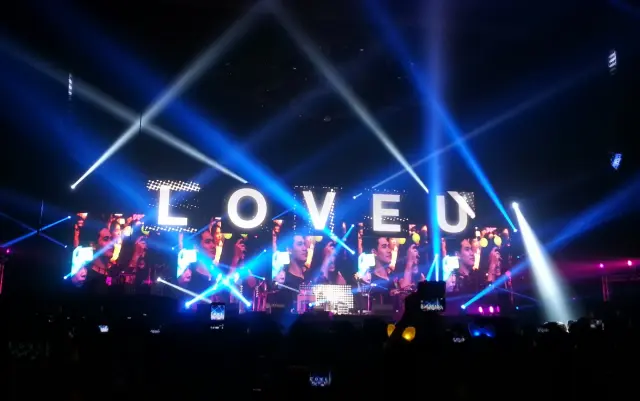
A typical system follows a structured layout for stability and scalability.
- Controller → DMX splitter → fixtures
- Power distribution → load management
- Rigging system → fixture positioning
These configurations are widely used in event lighting for weddings and multi-purpose venues.
How to Design Lighting Systems Step by Step?
Designing lighting systems requires a structured workflow.
- Evaluate venue dimensions and layout
- Select fixtures based on performance needs
- Plan positioning and beam coverage
- Integrate control and power systems
| Design Step | Focus | Risk |
|---|---|---|
| Planning | Coverage | Uneven lighting |
| Selection | Compatibility | System conflicts |
| Integration | Stability | Signal issues |
How to Choose the Right Lighting for Venues?
The design depends on venue type and usage.
- Theatre: profile + wash lighting
- Banquet hall: ambient and balanced lighting
- Stage performance: dynamic beam and effect lighting
In many venue applications, systems are designed around event hall lighting requirements.
Lighting Design by Scenario
Lighting design varies across different applications.
| Scenario | Design Strategy | Key Focus |
|---|---|---|
| Wedding Venue | Ambient + wash | Atmosphere |
| Stage Performance | Beam + effects | Visual impact |
| Multi-purpose Venue | Flexible setup | Adaptability |
Real-World Design Issues in Stage and Venues
Design challenges often arise from system limitations and incorrect planning.
- Uneven lighting due to poor positioning
- Control conflicts from incorrect DMX setup
- Power overload in large installations
- Lack of flexibility in multi-use environments
Event Lighting Design Checklist
A checklist ensures reliable and scalable design.
- Verify fixture positioning and coverage
- Confirm system compatibility
- Evaluate power distribution
- Test full system performance
Professional Trust and Industry Insight
In professional lighting design, system flexibility and reliability are more critical than peak performance. Experienced teams prioritize adaptable configurations for different applications.
Event Lighting Design – FAQs
What is the key factor in venue lighting design?
Coverage and system compatibility are essential for consistent performance.
How to avoid lighting inconsistencies?
Use proper beam angles and structured fixture placement.
What lighting is best for banquet halls?
Balanced wash lighting combined with ambient effects is commonly used.
How to ensure stable system operation?
Plan DMX addressing carefully and test the system before use.
In conclusion, designing event lighting systems for stage and venues requires structured planning, correct equipment selection, and system validation.
For large-scale project strategies, refer to design event lighting systems.

Leave a Reply