
How to Build Event Lighting Systems for Live Shows
Building event lighting systems for live shows involves designing a flexible and scalable setup that can adapt to dynamic performance requirements. Live shows require lighting systems that respond quickly, maintain stability, and deliver consistent visual effects.
For B2B buyers such as rental companies and event contractors, system construction must consider compatibility, efficiency, and long-term reliability. Poor system design can lead to delayed response, uneven lighting, or operational issues during live performances.
This guide explains how to build event lighting systems for live shows using a structured and practical approach.
What Are the Core Components of Live Show Lighting Systems?
Live show lighting systems consist of fixtures, control systems, and power infrastructure.
- Beam lights for dynamic effects
- Wash lights for stage coverage
- Effect lighting for atmosphere
- Control systems for synchronization
What Is the Standard System Structure for Live Shows?
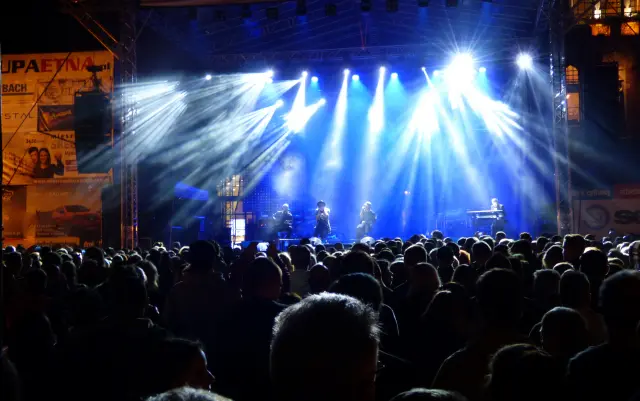
A structured system layout ensures stable and responsive performance.
- Controller → DMX splitter → fixtures
- Power distribution → load balancing
- Backup systems → redundancy support
These systems are commonly used in wedding and event lighting applications.
How to Build Event Lighting Systems Step by Step?
System construction should follow a structured workflow.
- Define performance requirements and stage layout
- Select fixture types based on application
- Design system layout and positioning
- Integrate control and power systems
- Test system performance under real conditions
| Step | Focus | Risk |
|---|---|---|
| Planning | Coverage | Incomplete setup |
| Integration | Compatibility | System conflicts |
| Testing | Performance | Unexpected failures |
How to Choose the Right Lighting System for Live Shows?
The system design depends on event type and scale.
- Small shows: compact setup with wash lighting
- Medium events: beam + wash combination
- Large shows: beam + effects + advanced control
Many systems are designed around event hall lighting requirements.
Real-World Issues in Live Show Lighting Systems
System issues often occur due to improper design or integration.
- Signal delay when too many fixtures are connected
- Power imbalance affecting performance
- Uneven lighting due to incorrect positioning
- Lack of backup systems causing failure
Event Lighting System Checklist for Live Shows
A checklist ensures reliable system construction.
- Verify fixture positioning and coverage
- Confirm DMX addressing and signal flow
- Check power distribution balance
- Test full system before live use
Professional Trust and Industry Insight
In live show lighting systems, responsiveness and stability are more critical than maximum output. Professional teams prioritize structured design, redundancy, and real-time adaptability.
Event Lighting Systems – FAQs
What is the key factor in live show lighting systems?
System stability and quick response are critical for live performance environments.
How to prevent signal delay?
Use proper DMX configuration and avoid excessive fixture chaining.
Why is backup equipment important?
Backup systems prevent disruptions during live shows.
What lighting setup is best for large shows?
Beam and effect lighting combined with advanced control systems are commonly used.
In conclusion, building event lighting systems for live shows requires structured design, proper integration, and thorough testing.
For installation strategies, refer to installation.

Leave a Reply