
How to Choose Stage Lighting for Wholesale and Projects
Choosing stage lighting for wholesale and project applications requires balancing technical performance, compatibility, and long-term reliability. Unlike retail purchases, B2B buyers must evaluate how fixtures perform across different venues, control systems, and installation environments.
In large-scale projects such as weddings, concerts, and outdoor events, lighting is not only about brightness but also beam consistency, color accuracy, and system integration. Poor selection can lead to mismatched effects, control issues, or increased maintenance costs.
This guide explains how to evaluate stage lighting from a professional procurement perspective, helping wholesalers, contractors, and distributors make informed decisions.
What Determines Stage Lighting Performance and Function?
Stage lighting performance is defined by output characteristics, control precision, and optical design.
Light Source and Output Efficiency
Different light sources affect brightness, lifespan, and energy consumption. LED-based systems dominate modern stage lighting due to efficiency and durability.
- LED modules: stable output, low heat
- Discharge lamps: high intensity for beam lights
- Laser sources: precise and long-distance projection
Beam Angle and Optical System
The beam angle determines coverage and effect sharpness. Narrow beams create focused effects, while wider angles support wash lighting.
Control Protocols and Dimming
Professional systems rely on DMX512 or Art-Net protocols for synchronization and programming flexibility.
What Types of Stage Lighting Should Be Considered for Projects?
Stage lighting types vary based on application scenarios and visual requirements.
| Type | Function | Typical Use |
|---|---|---|
| Beam Light | Sharp, concentrated beam | Concerts, clubs |
| Wash Light | Wide color coverage | Weddings, stages |
| Profile Light | Precise shaping | Theatre, presentations |
| Laser Light | Dynamic effects | Entertainment venues |
For project-based procurement, combining multiple fixture types ensures flexibility and layered visual effects.
How Does Wholesale Procurement Impact Lighting Selection?
Wholesale decisions must prioritize consistency, scalability, and long-term supply stability.
Batch Consistency
- Uniform color temperature across units
- Stable firmware and control compatibility
- Consistent housing and build quality
OEM and Customization Requirements
Many distributors require branding, firmware adjustments, or specific configuration support.
Project Adaptability
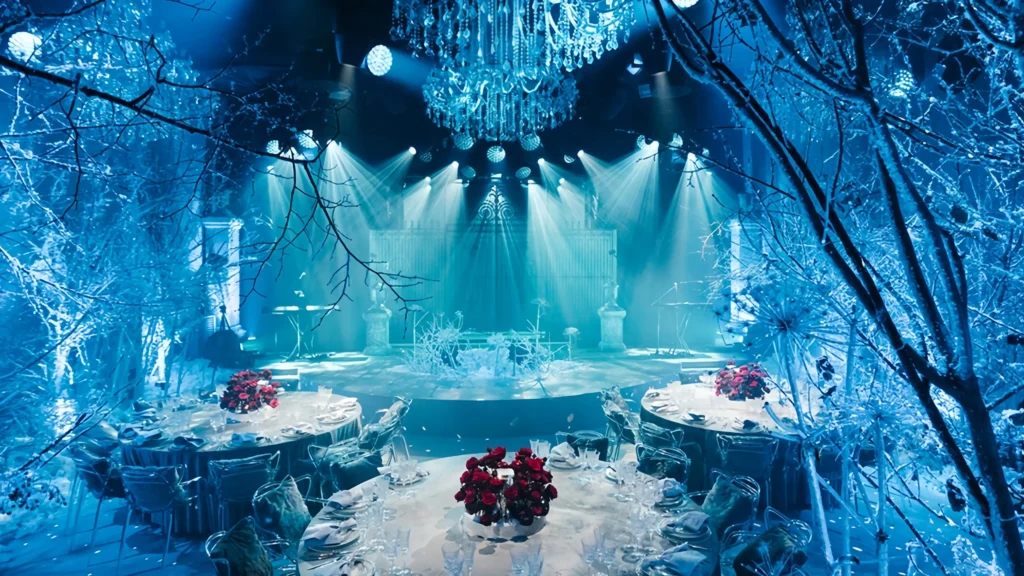
Lighting systems should adapt to different scenarios such as wedding lighting solutions, where environmental conditions and aesthetics vary.
What Are Common Mistakes in Stage Lighting Procurement?
Most procurement issues arise from overlooking system compatibility and real-world usage conditions.
- Ignoring control protocol compatibility
- Overestimating brightness without considering beam quality
- Choosing fixtures without thermal stability testing
- Failing to evaluate outdoor protection ratings (IP level)
How to Evaluate Technical Specifications Effectively?
Technical specifications should be analyzed in context rather than in isolation.
| Parameter | Importance | Procurement Insight |
|---|---|---|
| Lumens | Brightness | Compare with beam angle |
| CRI | Color accuracy | Important for stage visuals |
| IP Rating | Protection level | Critical for outdoor use |
| Power Consumption | Energy efficiency | Affects operating cost |
Professional Trust and Industry Insight
Reliable stage lighting procurement depends on understanding both technical parameters and real-world application scenarios. Experienced buyers evaluate not only fixture specifications but also system compatibility, supplier consistency, and long-term operational stability.
Stage Lighting Procurement – FAQs
How do I ensure consistency when buying lighting in bulk?
Verify batch testing reports, color consistency standards, and firmware versions. Request sample comparisons before full procurement. What is the most important factor for outdoor stage lighting?
IP rating and thermal management are critical. Outdoor environments require protection against moisture, dust, and temperature fluctuations. Should I prioritize beam brightness or beam quality?
Beam quality is often more important. A well-defined beam with consistent edges delivers better visual impact than raw brightness alone. How can I reduce long-term maintenance costs?
Choose LED-based fixtures with stable drivers and proven cooling systems. Reliable components reduce failure rates over time.
In summary, choosing stage lighting for wholesale and project use requires a structured evaluation of performance, compatibility, and application scenarios. A balanced approach ensures reliable results across different venues and long-term operational efficiency.
For system setup considerations, refer to how to set up a stage lighting system for events.

Leave a Reply