
How to Design Club Lighting Systems for DJ Booths
Designing club lighting systems for DJ booths is one of the most important parts of nightclub lighting design. The DJ booth is not simply a place for equipment. It is the performance center, a branding zone, and often the most photographed part of the venue. If the booth lighting is handled well, the entire room feels more organized and premium. If it is handled poorly, the venue may still have strong dance floor effects, but the visual identity of the performance remains weak.
For professional buyers such as venue operators, lighting contractors, project designers, and commercial integrators, DJ booth lighting should be treated as a strategic design zone inside the larger club system. The best booth lighting designs balance performer visibility, background depth, scene flexibility, and integration with the dance floor and room atmosphere. A booth should stand out, but it should not look like a separate lighting project disconnected from the room.
This guide explains how to design club lighting systems for DJ booths using practical lighting logic, fixture selection strategy, and real-world considerations for clubs, dance floors, and entertainment venues.
Why Is DJ Booth Lighting So Important in Club Design?
The DJ booth is where lighting, music, and venue identity meet. In many clubs, the booth functions as the visual anchor of the room.
When the booth is designed correctly:
- the DJ remains visible without harsh glare
- the audience understands where the performance focus is
- the venue gains a stronger branded visual identity
- the lighting system feels organized rather than random
When the booth is designed poorly:
- the room can feel flat even if the dance floor has strong effects
- the DJ may disappear into the background
- effect scenes may feel disconnected from the performance center
- social media and event photography often look weak
In professional dj lighting projects, booth design is often what separates a basic club system from a venue with a memorable visual identity.
What Are the Main Goals of DJ Booth Lighting Design?
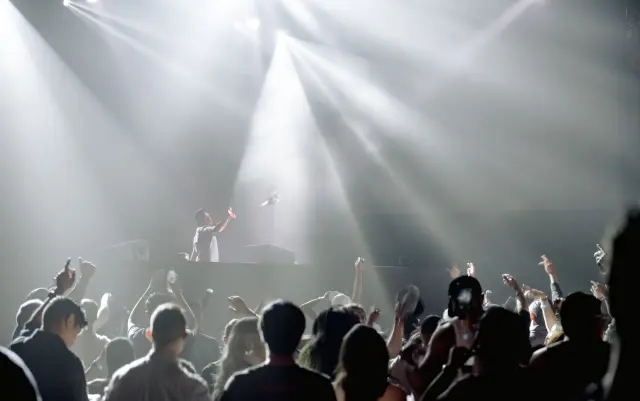
A strong DJ booth lighting system should achieve several goals at the same time.
- make the DJ visible without harsh overexposure
- provide a strong visual background behind the performer
- integrate with the wider nightclub scene programming
- create enough contrast so the booth remains readable during intense room effects
- support both peak scenes and lower-energy transitions
The booth should feel like the center of the show, but it should still belong to the overall nightclub composition.
What Fixture Types Work Best for DJ Booth Lighting?
Effective DJ booth lighting usually combines several fixture categories rather than depending on one fixture style.
- LED bars define booth edges and create horizontal visual structure
- matrix fixtures add animated texture and energy behind the DJ
- wash fixtures connect the booth visually to the room
- compact moving heads add motion if the booth structure and room scale allow it
- pixel or strip-based fixtures strengthen branding and booth detail
Many nightclub projects use combinations involving background matrix light, LED wall wash, and effect light categories to make the booth feel layered instead of flat.
How Should the Booth Be Positioned Within the Full Lighting System?
The booth should be planned as the visual anchor inside the room’s lighting hierarchy.
In a professional nightclub, the dance floor usually carries the strongest movement, but the booth should remain the point where attention returns. The booth therefore needs controlled visibility and a background layer that separates it from the surrounding darkness or effects.
A typical hierarchy often works like this:
- dance floor = movement and crowd energy
- DJ booth = performer focus and identity
- rear zone = depth and visual support
- perimeter = color continuity and atmosphere
If these relationships are not clear, even expensive systems can feel visually confusing.
How to Design DJ Booth Lighting Step by Step?
Booth lighting design should follow a structured workflow.
1. Define the Booth’s Visual Role
Some venues want a highly dominant booth that acts as a stage centerpiece. Other venues want a more integrated, premium look where the booth leads the room without overpowering it. The first design decision is therefore conceptual: what kind of presence should the booth have?
2. Build the Booth in Layers
A professional booth usually includes at least three layers.
- visibility layer so the DJ can be read clearly
- background layer for depth and identity
- integration layer that connects booth color and movement to the room
Without these layers, the booth often looks either too flat or too disconnected.
3. Choose Fixtures by Function
LED bars are useful for structure and edge definition. Matrix fixtures are strong for animated background texture. Wash fixtures help the booth connect to the wider room. Compact moving heads may be useful where there is enough ceiling height and structural freedom.
The right solution depends on architecture and not only on visual trend.
4. Synchronize Booth Scenes with Main System Scenes
The booth should not run as an isolated mini-show. It should follow the wider control logic of the room.
- booth colors should shift with main wash scenes
- booth peaks should align with music drops and transitions
- background intensity should be controlled so the DJ remains readable
5. Test from Real Audience Angles
Many booths look strong from one front-center angle but weak from side or rear audience positions. Testing should include multiple perspectives, haze conditions, and realistic scene changes.
What Booth Lighting Configurations Work for Different Club Sizes?
Different club sizes need different booth design strategies.
Small clubs usually benefit from compact LED bars, one efficient background layer, and clean visibility rather than excessive effect density.
Medium clubs often need a booth background layer, side or rear wash support, and stronger visual connection between booth and dance floor scenes.
Large clubs usually require a more architectural booth strategy, where matrix layers, bars, and surrounding support fixtures work as part of a full multi-zone system.
| Venue Type | Recommended Booth Strategy | Main Objective |
|---|---|---|
| Small Club | compact bars + simple background layer | clear focus without clutter |
| Medium Club | layered booth with wash and matrix support | identity and integration |
| Large Club | multi-layer architectural booth design | premium performance center |
In mixed-use venues, the booth may also need to support softer visual modes closer to wedding ballroom lighting during private bookings or non-nightclub operation.
What Are the Most Common DJ Booth Lighting Mistakes?
Most booth lighting problems happen because the booth is treated like decoration instead of a performance zone.
- too much direct light on the DJ face
- no real background layer behind the booth
- flat fixture arrangement with no visual depth
- poor synchronization with main room scenes
- excessive effects that reduce readability
- booth disappearing during low-intensity scenes
A common mistake is trying to solve booth visibility only with front brightness, which usually creates glare instead of professional focus.
How Does Better Booth Lighting Improve Commercial Value?
A stronger booth design helps the venue look more premium, more intentional, and more memorable. It improves event photography, strengthens social media presentation, and gives the audience a clearer sense of where the performance center is.
In commercial nightlife spaces, the booth often becomes one of the most recognizable visual elements of the venue. Better booth lighting therefore improves not only the show, but also the venue’s branding value.
Real Project Example: Fixing a Weak DJ Booth Design
In one nightclub project, the original booth used only low-level decorative strip lighting while most visual intensity was directed at the dance floor. The result was an energetic room but a weak performance center. From most audience positions, the DJ was visually lost.
The revised design added a matrix layer behind the booth, two supporting wash fixtures to define the background, and programmed booth color scenes that followed the wider room palette. The venue immediately felt more professional because the DJ became visually anchored to the room. The improvement came from structure and integration, not from dramatically increasing fixture count.
What Should Professional Buyers Check Before Ordering Booth Lighting Fixtures?
Before purchasing booth lighting fixtures, professional buyers should check:
- fixture dimensions relative to booth size
- DMX compatibility with the main system
- maintenance access after installation
- whether the booth design supports branding and room identity
- whether the system stays readable under both intense and softer scenes
These checks are especially important in venues that combine nightlife operation with other entertainment or event functions.
DJ Booth Lighting – FAQs
What is the best lighting setup for a DJ booth in a nightclub?
The best setup usually combines a readable visibility layer, a strong background layer, and synchronized integration with the room’s main wash and effect scenes.
Which fixtures are most commonly used for DJ booth lighting?
LED bars, matrix fixtures, wash fixtures, and in some cases compact moving heads are commonly used because they support both visibility and visual identity.
What is the biggest mistake in DJ booth lighting design?
The biggest mistake is relying only on direct brightness without building a proper background layer and system integration strategy.
What should professional buyers verify before ordering booth lighting fixtures?
They should verify fixture size, DMX compatibility, service access, booth layout suitability, and whether the system supports both nightlife scenes and long-term venue operation.
In conclusion, designing club lighting systems for DJ booths requires layered planning, controlled visibility, proper background structure, and strong integration with the main nightclub lighting system. The best booth designs improve both performance focus and venue identity.
For wider room structure and layered nightclub planning, refer to nightclub lighting systems.

Leave a Reply