Setting up stage lighting for bands and live events requires a structured system that ensures visibility, synchronization, and adaptability. In professional environments, lighting systems must perform reliably under changing conditions while supporting dynamic performances.For B2B buyers such as rental companies and event contractors, system design must consider scalability, power distribution, and control reliability. Improper setup often leads to uneven coverage, delayed response, or equipment failure during live performances.This guide explains how to design and configure stage lighting systems for bands and live events with a focus on real-world application and procurement decisions.
What Equipment Is Required for Band Lighting Systems?
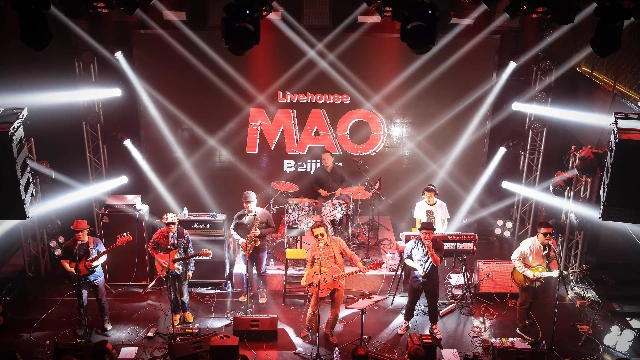
A complete band lighting system combines multiple fixture types to create layered visual effects.
- Beam lights for dynamic movement
- Wash lights for stage coverage
- Backlights for depth
- Laser or effect lights for atmosphere
| Equipment | Typical Quantity | Function |
|---|
| Beam Lights | 4–12 | Dynamic effects |
| Wash Lights | 6–16 | Coverage |
| Controller | 1 | System control |
What Is the Standard Stage Lighting System Structure?
A typical system follows a structured signal and power layout.
- Controller → DMX splitter → fixtures
- Power distribution → circuit allocation
- Backup system → redundancy support
How Should Lighting Be Positioned for Live Events?
Lighting placement directly affects visibility and stage depth.
- Front lighting: 30°–45° angle ensures performer visibility
- Back lighting: creates separation and depth
- Side lighting: enhances movement and contours
In live band setups, insufficient front lighting often results in poor facial visibility, especially in outdoor stages.
Control systems must ensure synchronization and real-time adaptability.
- Assign DMX addresses logically
- Group fixtures by function
- Pre-program scenes and cues
How to Choose the Right Lighting Setup for Your Event?
The optimal setup depends on stage size and performance requirements.
- Small stage: 8–12 fixtures, focus on wash coverage
- Medium event: 12–20 fixtures, beam + wash combination
- Large concert: 20+ fixtures, beam + laser + effects
Stage Lighting Setup by Scenario
Lighting configuration varies across different event types.
| Scenario | Setup Strategy | Key Focus |
|---|
| Small Band Stage | Wash + limited beam | Coverage |
| Concert Stage | Beam + laser integration | Intensity |
| Nightclub | Beam + RGB laser | Dynamic effects |
These setups are commonly applied in
night club lights environments.
Real-World Setup Issues in Live Events
In real event environments, system failures are often caused by planning and configuration issues.
- Signal delay when too many fixtures are chained on one DMX line
- Power overload due to incorrect load calculation
- Uneven lighting caused by incorrect fixture angles
- System failure due to lack of backup equipment
Stage Lighting Setup Checklist
A checklist ensures efficient and reliable system setup.
- Verify fixture placement and beam angles
- Confirm DMX addressing and signal flow
- Test all scenes before performance
- Check total power consumption
- Prepare backup systems
Professional Trust and Industry Insight
In professional stage lighting projects, system reliability and setup efficiency are more critical than maximum output. Experienced teams prioritize structured configuration and redundancy to ensure uninterrupted performance.Stage Lighting for Bands – FAQs
How many fixtures are needed for a live band setup?
Typically 10–20 fixtures depending on stage size and visual requirements.What is the biggest risk in live lighting setup?
Power overload and signal misconfiguration are the most common causes of failure.How to ensure stable DMX control?
Use structured addressing, quality cables, and pre-event testing.Is backup equipment necessary?
Yes, backup systems are essential to prevent disruptions during live events.In conclusion, setting up stage lighting for bands and live events requires structured system design, correct configuration, and real-world validation. A well-planned system ensures stable performance and consistent visual results.For advanced laser integration, refer to
how to use laser stage lighting in professional systems.
