
Types of DJ Lighting Equipment Used in Nightclubs
Understanding the types of DJ lighting equipment used in nightclubs is essential for designing a lighting system that feels energetic, immersive, and commercially effective. In professional nightlife venues, lighting is not created by one fixture category alone. A successful system combines multiple types of DJ lighting equipment to create movement, color, rhythm, booth identity, and room-wide atmosphere.
For nightclub owners, buyers, distributors, rental providers, and lighting contractors, knowing the role of each equipment type helps prevent poor purchasing decisions. Many venues buy powerful fixtures but still get weak results because the fixture types are not balanced. A nightclub may have enough brightness and still look visually flat if there is no wash coverage, no booth focus, or no layered effect structure.
This guide explains the main types of DJ lighting equipment used in nightclubs, how they work together in professional club systems, and what B2B buyers should consider when selecting them for real nightlife projects.
What Are the Main Types of DJ Lighting Equipment in Nightclubs?
The main types of DJ lighting equipment used in nightclub systems are chosen according to function, not just appearance.
- Moving head beam fixtures for motion and aerial effects
- Wash fixtures for color coverage and ambient space
- Laser fixtures for high-energy nightclub atmosphere
- Strobe and matrix effects for rhythm accents
- Booth and background fixtures for focal identity
These fixture categories are central to modern dj lighting systems and should be understood as part of one coordinated visual structure.
How Do Different DJ Lighting Equipment Types Work Together?
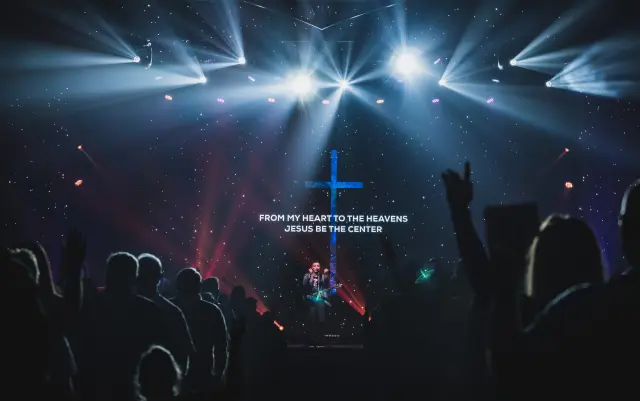
Different fixture types solve different visual needs inside a nightclub.
- Beam fixtures create motion, direction, and energy
- Wash fixtures connect the room with color and atmosphere
- Laser fixtures add nightlife identity and dynamic visual texture
- Effect fixtures create rhythm-driven peaks during high-energy moments
- Background fixtures support booth visuals and wall layering
When combined correctly, these categories create a strong nightclub lighting experience that feels deeper and more professional than any one fixture type alone.
What Role Do Moving Head Fixtures Play in Nightclubs?
Moving head fixtures are often the core dynamic element in professional DJ and nightclub systems.
These fixtures are used to create sweeping beam movement, directional aerial looks, audience energy, and scene transitions. In many clubs, moving heads define the overall visual rhythm of the room.
- Sharp beam fixtures work well in higher ceiling venues
- Wash moving heads help connect movement with color coverage
- Fast pan and tilt response improves music-synced effects
Professional venues often build around beam moving head fixtures because they deliver strong visual presence without requiring excessive fixture quantity.
Why Are Wash Fixtures Important in Club Lighting?
Wash fixtures are essential because they give the room body, atmosphere, and continuity.
Many nightclub systems that rely too heavily on beam effects feel visually fragmented. Wash lighting fills the space, supports camera-friendly scenes, improves booth visibility, and helps connect different areas of the club visually.
- Creates color mood across walls and ceilings
- Improves booth and VIP zone ambience
- Balances aggressive beam-heavy scenes
- Supports premium visual atmosphere
Venues that want a stronger upscale look often integrate led wash moving head or LED wall wash fixtures into the system.
How Are Laser Fixtures Used in Nightclubs?
Laser fixtures are used to increase nightlife energy and create a more immersive room atmosphere.
They are particularly effective in haze-supported environments and venues that want stronger visual impact around the dance floor or above the audience. However, laser fixtures should be used as part of the system, not as the entire solution.
- Strong atmospheric enhancement for dance floors
- High-energy visual identity for nightlife venues
- Best used with beam and wash support
In many dj laser lights applications, the best results come from using lasers to support peaks and atmosphere rather than relying on them for full coverage.
What Are Background, Matrix, and Booth Lighting Fixtures Used For?
These fixtures support depth, branding, and focal visual structure in nightclub projects.
Without booth and background lighting, the room can feel visually disconnected. The DJ position may appear isolated instead of becoming the center of attention.
- LED bars for horizontal booth accents
- Matrix fixtures for graphic texture and rhythm visuals
- Background wall lighting for scene layering
These elements are particularly useful in modern dj lighting equipment systems where social media visuals and booth identity matter as much as dance floor energy.
What Equipment Types Work Best for Different Nightclub Sizes?
The best fixture mix depends on venue size, ceiling height, and operating style.
| Venue Type | Recommended Equipment Types | Main Visual Goal |
|---|---|---|
| Small Club | Moving heads + wash + compact effects | Energy without overcrowding |
| Medium Club | Beam + wash + laser + booth lighting | Layered nightclub atmosphere |
| Large Venue | Full beam, wash, laser, matrix, effect system | Immersive professional nightlife look |
In multi-use venues, some systems are also programmed to support private events, using softer scenes similar to wedding ballroom lighting environments during non-nightclub operation.
Why Do Buyers Make Mistakes When Selecting Lighting Types?
Most mistakes happen when buyers think in products instead of systems.
- Choosing only beam fixtures because they look impressive in demos
- Ignoring wash lighting and room coverage
- Adding laser fixtures without considering ceiling height and haze conditions
- Skipping background lighting for the DJ booth
- Selecting fixtures that do not align with the intended control system
One common nightclub error is building a room with strong center effects but no support lighting in the perimeter, which makes the venue feel visually incomplete.
What Design Logic Helps Buyers Select Better Lighting Types?
The best nightclub systems are designed with layered visual logic.
- Movement comes from beam fixtures
- Atmosphere comes from wash and laser support
- Visual focus comes from booth and background lighting
- Rhythm peaks come from strobes and matrix effects
- Consistency comes from proper control and fixture balance
This is why experienced buyers rarely ask only which fixture is strongest. Instead, they ask how each type contributes to the full club lighting system.
Real Project Example: Fixing a Poor Equipment Mix in a Nightclub
In one nightclub project, the first installation used beam fixtures almost exclusively. The dance floor had strong aerial movement, but the venue lacked mood and visual depth. The DJ booth also looked disconnected from the rest of the room. After adding LED wash fixtures and a background matrix layer behind the booth, the room gained stronger identity, better audience immersion, and smoother scene transitions.
The improvement did not come from higher total brightness. It came from using the right types of DJ lighting equipment together.
What Should B2B Buyers Consider When Comparing DJ Lighting Equipment Types?
B2B buyers should compare fixture categories by project use, maintenance burden, and system role.
- Which fixture type creates the most value for the venue model?
- Which types require the most maintenance or support?
- Which types are easiest to integrate into the existing DMX system?
- Which types strengthen the venue’s commercial visual identity?
Buyers who understand dj lighting packages as layered systems rather than independent products usually make more profitable purchasing decisions.
Why Does Understanding Lighting Equipment Types Reduce Commercial Risk?
When buyers understand the function of each fixture type, they avoid overspending on the wrong products, reduce system imbalance, and improve long-term operating value. Better equipment selection means fewer corrective purchases, better venue presentation, and stronger customer perception from day one.
DJ Lighting Equipment Types – FAQs
What are the most important types of DJ lighting equipment used in nightclubs?
The most important types are moving head beam fixtures, wash lights, laser fixtures, and supporting booth or background lighting for layered nightclub visuals.
How do buyers choose the right mix of nightclub lighting equipment types?
They should match fixture types to venue size, ceiling height, operating style, and the desired balance between movement, coverage, and atmosphere.
Why is wash lighting necessary in nightclub systems?
Wash lighting gives the room color, continuity, and atmosphere, helping the venue feel complete instead of relying only on sharp beam effects.
What is the biggest mistake when comparing DJ lighting equipment types?
The biggest mistake is treating each fixture as an isolated product instead of evaluating how all fixture types work together as one nightclub lighting system.
In conclusion, understanding the types of DJ lighting equipment used in nightclubs is essential for building a lighting system that is visually layered, commercially effective, and reliable in long-term nightlife operation.
For project-based buying strategy and system planning, refer to equipment selection.