
Small Theatre Lighting Systems for Schools and Community Venues
Small theatre venues, school auditoriums, community performance spaces, and multi-purpose halls often face a difficult challenge: they need professional stage lighting quality while working with limited budgets, limited rigging space, simplified staffing structures, and flexible venue requirements.
Many small venues assume that professional theatre lighting systems are only possible for large commercial theatres. In reality, modern lighting technology allows smaller venues to create immersive, professional-looking productions when the system is designed correctly.
The problem is that many small theatre projects focus only on purchasing fixtures rather than building a complete production workflow. This often leads to:
- Flat stage appearance
- Uneven lighting coverage
- Difficult operation workflows
- Weak audience immersion
- Limited scalability
- High maintenance difficulty
Professional small theatre lighting systems are designed differently. Instead of maximizing fixture quantity, successful systems focus on flexibility, layered lighting design, simplified operation, scalable infrastructure, and efficient venue workflows.
If you are planning a theatre lighting systems project for a school or community venue, this guide explains how professional small theatre lighting systems are structured, how to optimize limited spaces, and how to create immersive stage environments without building large-scale commercial infrastructure.
What Makes Small Theatre Lighting Different From Large Venue Systems?
Small venues have very different operational requirements compared to large professional theatres.
Common small venue challenges include:
- Limited ceiling height
- Restricted rigging space
- Smaller budgets
- Volunteer operators
- Multi-purpose venue usage
- Simplified maintenance requirements
Because of this, small theatre systems must prioritize simplicity, flexibility, and scalability.
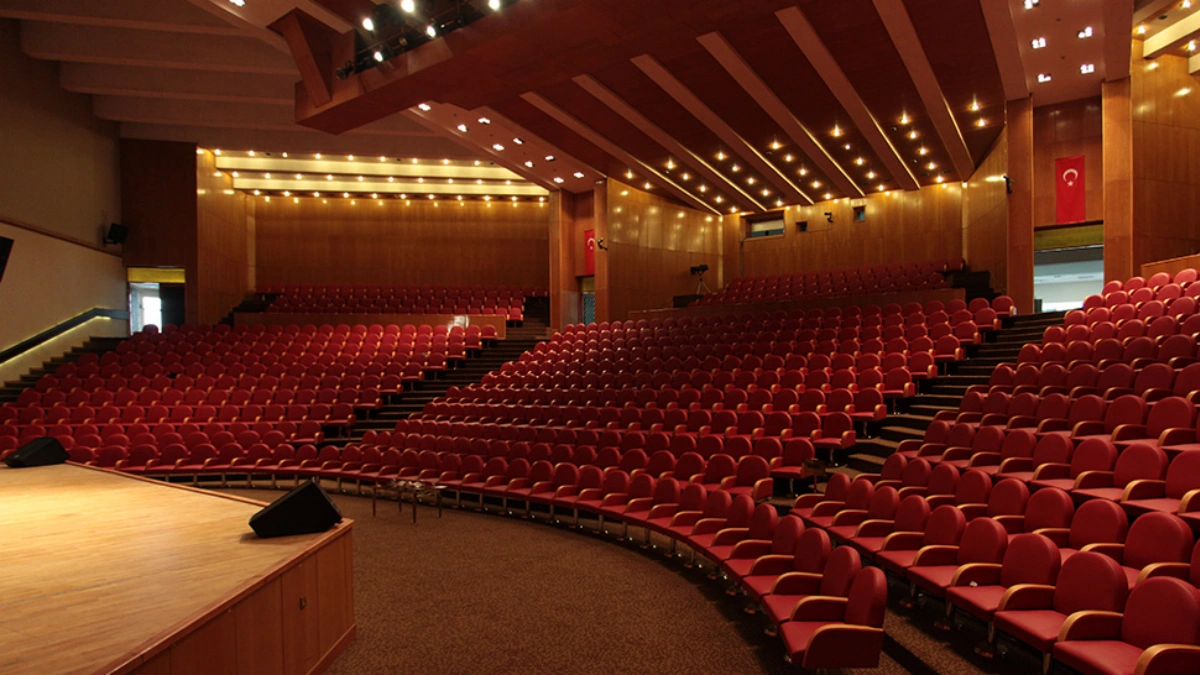
The 10 Most Important Elements of Small Theatre Lighting Systems
1. Flexible Front Lighting Systems
Front lighting remains the foundation of visibility and audience engagement.
Professional front lighting goals:
- Clear performer visibility
- Balanced facial illumination
- Controlled shadow management
Professional strategy for small venues:
- Use fewer fixtures more strategically
- Create soft overlap coverage
- Avoid harsh direct angles
Good front lighting immediately improves production quality.
2. Compact Wash Lighting Systems
Wash lighting creates atmosphere and visual consistency.
Fixtures such as wash moving head are increasingly popular in small theatres because they provide:
- Wide stage coverage
- Flexible color mixing
- Dynamic movement capability
- Space-saving flexibility
One flexible fixture can often replace multiple traditional fixtures in smaller venues.
3. Layered Side and Back Lighting
Even small venues need lighting depth.
Professional side and back lighting improves:
- Performer separation
- Stage dimensionality
- Audience immersion
- Visual atmosphere
Without layered lighting, small stages often appear visually flat.
4. Simplified Lighting Control Systems
Many school and community venues rely on volunteer operators.
Professional small venue control systems should prioritize:
- Simple cue structures
- Easy scene recall
- Reliable operation
- Fast training workflows
Overcomplicated control systems often reduce operational reliability.
5. Flexible Rigging Infrastructure
Small venues usually have limited rigging space.
Professional rigging strategies include:
- Compact truss layouts
- Multi-purpose fixture positions
- Easy maintenance access
- Flexible future expansion
Efficient rigging design improves long-term usability.
6. Reliable Power Distribution
Even small productions require stable electrical infrastructure.
Professional systems include:
- Dedicated lighting circuits
- Cable organization systems
- Power load balancing
- Future expansion capacity
Good infrastructure improves safety and reliability.
7. DMX Communication Systems
Modern small theatres increasingly use DMX-controlled systems.
Professional DMX planning includes:
- Simple addressing workflows
- Reliable signal routing
- Maintenance-friendly organization
- Scalable infrastructure
Reliable DMX systems improve cue synchronization significantly.
8. Multi-Purpose Venue Flexibility
Most small venues support many event types.
Professional systems should adapt to:
- Drama productions
- School performances
- Community events
- Presentations
- Live music
- Hybrid streaming events
Flexible systems improve long-term venue value.
9. Maintenance Simplicity
Small venues often have limited technical staff.
Professional systems should prioritize:
- Easy fixture access
- Simple troubleshooting
- Organized infrastructure
- Efficient maintenance workflows
Good maintenance planning reduces long-term operational stress.
10. Future Scalability
Even small venues require future growth capability.
Professional scalability planning includes:
- Additional DMX capacity
- Future fixture positions
- Expandable truss layouts
- Upgradeable control systems
This allows venues to expand productions over time without rebuilding the entire system.
How Professional Small Theatres Structure Lighting Workflows
Professional small venues focus heavily on operational simplicity.
Typical workflow structure:
- Fixture positioning
- DMX organization
- Scene programming
- Simple cue structures
- Live operation
This structure improves reliability for volunteer and part-time operators.
Lighting Strategies for Different Small Venue Types
School Auditoriums
- Simple operation systems
- Flexible event support
- Low maintenance infrastructure
Community Theatres
- Balanced atmosphere flexibility
- Scalable production support
- Budget-conscious infrastructure
Church and Worship Spaces
- Soft front visibility
- Atmosphere-focused lighting
- Streaming compatibility
Multi-Purpose Performance Halls
- Fast scene adaptability
- Flexible fixture positioning
- Hybrid event support
How LED Technology Changed Small Theatre Lighting Systems
Modern LED technology transformed small venue lighting design.
Professional LED advantages include:
- Lower power consumption
- Reduced heat generation
- Flexible color programming
- Compact fixture size
- Lower maintenance requirements
LED systems allow smaller venues to create more cinematic stage environments without requiring large-scale infrastructure.
Common Small Theatre Lighting Mistakes
1. Focusing Only on Fixture Quantity
Problem: inefficient budget allocation
Fix: prioritize flexible fixtures and layered positioning
2. Overcomplicated Control Systems
Problem: difficult volunteer operation
Fix: simplify workflows and cue structures
3. Weak Scalability Planning
Problem: difficult future upgrades
Fix: build expandable infrastructure from the beginning
4. Flat Lighting Design
Problem: weak audience immersion
Fix: create layered lighting depth
How Small Theatre Lighting Systems Improve Audience Experience
Professional small venue lighting strongly affects audience perception.
Good lighting systems improve:
- Visual clarity
- Emotional atmosphere
- Audience immersion
- Scene flexibility
- Production professionalism
Even small productions can feel cinematic when the lighting system is structured correctly.
How Professional Small Venues Build Scalable Infrastructure
Modern small venues increasingly require infrastructure capable of future growth.
Professional scalability strategies include:
- Expandable DMX systems
- Flexible fixture positioning
- Upgradeable consoles
- Additional truss capacity
This allows venues to support more advanced productions over time.
👉 Build Small Theatre Lighting Systems Designed for Long-Term Venue Success
The best small theatre lighting systems are not the largest or most expensive — they are the systems designed around flexibility, simplicity, audience immersion, and scalable production workflows.
Professional small venues focus on:
- Layered lighting composition
- Reliable infrastructure
- Simple operational workflows
- Flexible production support
- Future scalability planning
Modern LED technology now allows schools, community venues, and smaller theatres to create professional stage environments that were previously only possible in large commercial productions.
FAQs
What is a small theatre lighting system?
It is a scalable lighting infrastructure designed for smaller venues such as schools, community theatres, and multi-purpose halls.
Why are LED systems popular in small theatres?
They provide flexibility, lower maintenance, compact fixture size, and reduced power consumption.
What is the biggest small theatre lighting mistake?
Focusing only on fixture quantity instead of workflow and flexibility.
Why is layered lighting important in small theatres?
It improves depth, atmosphere, and audience immersion.
How do DMX systems help small theatres?
They improve cue synchronization and operational flexibility.
How do professional small venues build scalable systems?
They use expandable DMX systems and flexible infrastructure planning.