
How to Install DJ Lighting Rigs for Nightclubs and Events
Installing DJ lighting rigs for nightclubs and events is a critical step in building a professional entertainment lighting system. In club environments, live shows, event halls, and temporary installations, the lighting rig is not only a support structure for fixtures. It directly affects beam coverage, fixture stability, cable routing, safety compliance, and long-term system reliability.
For B2B buyers such as nightclub owners, lighting contractors, rental companies, and project integrators, DJ lighting rig installation is more than a basic mounting process. A professional installation must consider truss load capacity, fixture spacing, DMX signal routing, power distribution, maintenance access, and future system expansion. Poor rig installation can reduce lighting quality, create unsafe conditions, and increase failure rates during live operation.
This guide explains how to install DJ lighting rigs for nightclubs and events using practical engineering logic, nightclub lighting design principles, and real project considerations for commercial entertainment venues.
What Is a DJ Lighting Rig and Why Does It Matter?
A DJ lighting rig is the structural framework used to support and position lighting fixtures in a club, stage, or event environment.
In professional club lighting systems, the rig determines how effectively beam lights, wash lights, laser lights, and effect fixtures perform. Even high-quality fixtures can deliver poor results if the rig is poorly designed or badly installed.
- It defines the height, angle, and spacing of fixtures
- It affects beam overlap, lighting layers, and visual depth
- It supports safe cable routing and power distribution
- It makes future fixture replacement and system upgrades easier
In nightclub and event projects, the lighting rig should be treated as part of the lighting system, not as an independent hardware element.
What Should Be Checked Before Installing DJ Lighting Rigs?
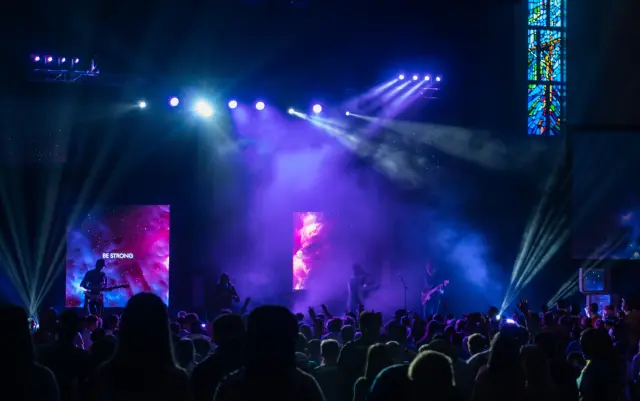
Before starting installation, the venue structure, fixture weight, power access, and control requirements must be checked in detail.
- Ceiling height and structural load capacity
- Truss size, shape, and suspension points
- Total fixture quantity and weight
- Fixture type, beam angle, and coverage needs
- Available power circuits and control cable routes
This is especially important in event hall lighting and nightclub projects where both aesthetics and safety must be balanced.
How to Install DJ Lighting Rigs Step by Step?
Professional lighting rig installation should follow a structured workflow to reduce risk and improve final system performance.
1. Confirm the Venue Layout and Lighting Goals
The installation begins with understanding the venue and the intended visual result. A nightclub lighting rig is different from a temporary event rig because nightclub systems often run continuously and require more stable long-term performance.
- Identify the dance floor, DJ booth, stage, and audience areas
- Define whether the focus is on beam movement, wash coverage, or laser atmosphere
- Plan how the rig supports dynamic dj lights effects
2. Select the Correct Truss Structure
The truss must be matched to the size of the venue and the total fixture load. In club projects, common options include straight truss, box truss, and goalpost structures. In compact venues, wall-mounted or ceiling-suspended truss solutions may be more practical.
- Straight truss for simple linear fixture arrangements
- Box truss for larger fixture counts and stronger load capacity
- Goalpost truss for mobile and event installations
- Ceiling-mounted truss for permanent nightclub systems
3. Install Mounting Points and Suspension Hardware
Rig safety is the highest priority during installation. All mounting points must be structurally secure and suitable for the total suspended load.
- Use certified clamps, shackles, and suspension accessories
- Verify load ratings for all structural points
- Install safety cables for every fixture
- Check alignment before final tightening
4. Mount Lighting Fixtures in Functional Zones
Fixtures should not be mounted randomly. They need to be positioned based on their visual role in the system.
- Front fixtures for coverage and subject visibility
- Side fixtures for movement and dimensional effects
- Rear fixtures for depth, silhouette, and visual energy
- Overhead fixtures for full-floor and atmospheric effects
In professional dj moving head lights systems, correct positioning is often more important than fixture quantity alone.
5. Route Power and DMX Signal Properly
After the truss and fixtures are mounted, signal and power systems must be routed efficiently. Poor cable routing leads to maintenance difficulty, instability, and visual clutter.
- Separate power and signal runs where possible
- Use cable ties and truss clips for clean routing
- Distribute power loads across circuits
- Segment DMX universes in larger installations
6. Test, Focus, and Optimize
Once the rig is installed, the system must be tested under real operating conditions.
- Check fixture pan and tilt clearance
- Verify DMX addressing and response
- Adjust beam angles for even spatial coverage
- Test synchronized club scenes and effect sequences
| Installation Area | Correct Approach | Common Mistake |
|---|---|---|
| Structural Support | Certified load-rated mounting points | Using weak ceiling anchors |
| Fixture Layout | Functional zoning by effect type | Random spacing and poor angles |
| Signal Routing | Clean DMX segmentation | Overloaded signal chain |
| Power System | Balanced circuit distribution | Concentrating load on one line |
What Lighting Rig Configuration Works Best for Different Venue Types?
Different venues require different rig structures and fixture layouts.
| Venue Type | Recommended Rig Strategy | Typical Fixture Focus |
|---|---|---|
| Small Nightclub | Compact overhead truss above dance floor | Moving heads + LED wash |
| Medium Club Venue | Front and rear truss with booth emphasis | Beam + wash + laser |
| Event Hall Setup | Goalpost or stage-front truss system | Wash coverage + ambient effects |
| Large Entertainment Venue | Multi-zone suspended truss structure | Full layered lighting system |
Where the project also serves commercial parties or banquet environments, the rig often needs to support both dynamic nightlife effects and more balanced wedding ballroom lighting style scenes.
Why Do DJ Lighting Rig Installations Fail in Real Projects?
Most failures are caused by incorrect structural planning, poor cable management, or unrealistic fixture placement.
- The truss is undersized for the total fixture load
- Fixtures are clustered too closely, causing beam conflicts
- Signal routing is too long without proper distribution
- Service access is ignored, making maintenance difficult
- Rig height is too low for moving beam effects to perform correctly
In nightclub projects, one of the most common errors is mounting too many fixtures close to the DJ booth without considering beam spread, eye-line comfort, and audience perspective.
What Installation Logic Creates Better Nightclub Lighting Results?
A better rig installation follows lighting design logic, not just hardware placement.
- Create layers: front, side, overhead, and rear
- Reserve visual focus above the dance floor and booth
- Use moving head lights for dynamic motion, not basic fill
- Let wash fixtures handle general ambient coverage
- Use laser and effect fixtures selectively for atmosphere
This is how high-performing dance club lighting systems achieve both atmosphere and functional reliability.
Real Project Example: Nightclub Rig Installation Adjustment
In one nightclub installation, the original rig used a single straight truss positioned too low over the dance floor. The moving heads produced strong beams, but the space felt visually flat because there was no rear layer and no side lighting. After redesigning the rig into a front-and-rear structure with additional side-mounted fixtures, the venue gained visual depth, better beam movement, and more balanced coverage.
The result was not just a better show effect. It also reduced fixture overlap and improved maintenance access.
What Should B2B Buyers Evaluate Before Ordering DJ Lighting Rig Systems?
B2B buyers should look beyond fixture specifications and evaluate the full installation ecosystem.
- Truss compatibility with fixture weight and quantity
- Availability of clamps, safety cables, and rig accessories
- Fixture dimensions relative to truss spacing
- DMX layout and power distribution requirements
- Long-term expandability for future venue upgrades
For buyers building dj lighting packages, installation efficiency is a major commercial factor because it affects labor cost, setup time, and maintenance burden.
Why Reliable Rig Installation Reduces Commercial Risk?
Reliable rig installation improves operational stability, lowers maintenance frequency, and reduces emergency repair risks during live use.
In professional club and event projects, system reliability is often more valuable than adding extra fixtures. A cleanly installed and structurally sound rig gives better long-term ROI than a visually impressive but unstable setup.
DJ Lighting Rig Installation – FAQs
What should contractors check before installing DJ lighting rigs in clubs?
They should verify ceiling load capacity, truss compatibility, fixture weight, power access, and DMX routing before installation begins.
What is the biggest risk in nightclub lighting rig installation?
The biggest risk is poor structural planning, especially undersized truss systems or weak mounting points that cannot handle the total suspended load.
How do buyers reduce maintenance problems in installed DJ lighting rigs?
They should plan service access, use clean cable routing, avoid over-clustering fixtures, and choose compatible fixtures and accessories.
What fixture layout works best for nightclub lighting rigs?
A layered layout using front, side, rear, and overhead fixture zones usually delivers the best balance of movement, coverage, and atmosphere.
In conclusion, installing DJ lighting rigs for nightclubs and events requires more than mounting fixtures on truss. It requires structured planning, safe structural design, clean signal and power routing, and lighting logic that supports real venue performance.
For structural planning and support configuration, refer to truss setup.