
DJ Lighting Systems for Clubs and Live Event Production
DJ lighting systems for clubs and live event production are designed to deliver consistent performance across different environments, from permanent nightclub installations to temporary stage setups and touring productions. Unlike basic lighting setups that focus only on visual output, professional DJ lighting systems must balance flexibility, control, scalability, and reliability. They need to adapt to different venues, different music styles, and different performance formats while maintaining a strong visual identity.
For professional buyers such as venue operators, rental companies, production teams, and lighting contractors, choosing the right DJ lighting system is not just about selecting fixtures. It is about building a system architecture that can perform under real-world conditions. That includes rigging structure, fixture grouping, DMX control logic, transport considerations, and long-term maintenance. A system that works perfectly in a fixed club may not perform well in live touring scenarios if it lacks modular design or flexible control.
This guide explains how DJ lighting systems are used in both clubs and live event production, how to structure systems that can adapt across environments, and what professional buyers should evaluate when building a scalable lighting solution.
What Is a DJ Lighting System for Clubs and Live Events?
A DJ lighting system is a coordinated group of lighting fixtures, control systems, and rigging structures designed to create dynamic visual effects that support music and performance.
In nightclub environments, the system is usually fixed and optimized for the room. In live event production, the system must be adaptable, transportable, and quick to install. The best systems are designed to handle both scenarios, allowing operators to reuse core components across different projects.
- clubs prioritize consistent atmosphere and long-term operation
- live events prioritize flexibility and fast deployment
- both require reliable control and layered lighting structure
- both depend on proper fixture grouping and scene logic
This is why many projects are built around a unified structure such as dj lighting equipment that can be adapted to both fixed and mobile applications.
What Are the Core Components of DJ Lighting Systems?
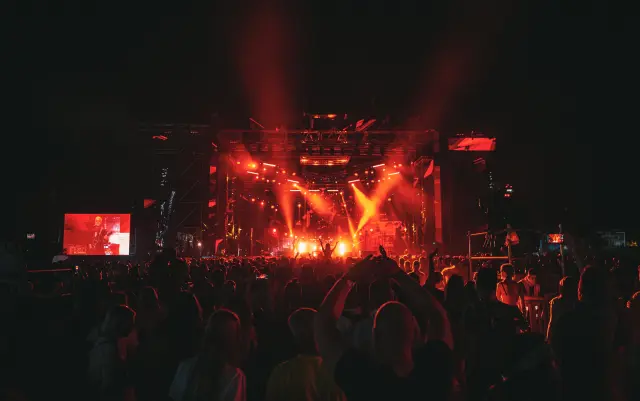
A professional DJ lighting system typically includes several key layers.
- movement fixtures for beam sweeps and directional effects
- wash fixtures for color and spatial coverage
- effect fixtures for peaks and transitions
- booth or stage lighting for focal visibility
- control system for DMX programming and scene execution
Most professional systems rely on fixture categories such as moving head lights dj, dj led lights, and effect light to build a balanced visual environment.
How Do Club Lighting Systems Differ from Live Event Systems?
Although they use similar fixtures, club systems and live event systems are designed differently.
Club systems are usually fixed installations. They are optimized for a specific room layout, ceiling height, and audience flow. They focus on long-term reliability and consistent visual performance.
Live event systems are modular. They must be transported, installed quickly, and adapted to different venues. They often require more flexible rigging and faster setup logic.
| System Type | Main Focus | Design Priority |
|---|---|---|
| Club System | fixed installation | consistency and atmosphere |
| Live Event System | portable setup | flexibility and speed |
The best professional systems are designed to bridge both needs, allowing core components to be reused across multiple applications.
How Should Lighting Systems Be Structured for Flexibility?
To work in both clubs and live events, lighting systems should be modular and logically grouped.
- separate movement, wash, and effect layers
- use consistent fixture types for easier programming
- design rigging in sections that can be installed independently
- maintain clear DMX grouping across different setups
- ensure control systems can scale with fixture count
This approach allows the same system to be used in a nightclub, then reconfigured for a stage event without complete redesign.
What Setup Works Best for Different Applications?
The best lighting setup depends on whether the system is used for a fixed venue or a live production environment.
Nightclub use: stable fixture placement, consistent DMX addressing, and layered atmosphere design are most important.
Live events: quick rigging, modular truss systems, and flexible control layouts are essential.
Hybrid use: systems must balance both stability and adaptability.
| Application | Recommended Setup | Main Advantage |
|---|---|---|
| Nightclub | fixed layered system | consistent performance |
| Live Event | modular portable system | fast deployment |
| Hybrid | flexible modular system | multi-use efficiency |
Some venues also require softer visual modes, especially when hosting private events, where lighting may shift toward styles similar to event lighting for weddings.
What Are the Most Common DJ Lighting System Mistakes?
- designing systems that cannot adapt to different venues
- using too many fixture types without consistent control logic
- ignoring transport and rigging requirements for live events
- overcomplicating DMX structure
- failing to balance movement and wash lighting
Many systems fail not because of equipment quality, but because they are not designed for real operating conditions.
Real Project Example
In one production company project, a lighting system originally designed for a nightclub was adapted for touring events. By restructuring the rig into modular sections and standardizing fixture groups, the system became easier to transport and faster to install while maintaining the same visual quality.
What Should Professional Buyers Evaluate?
Before selecting a DJ lighting system, professional buyers should consider:
- whether the system matches both venue and event requirements
- whether fixtures are consistent and compatible
- whether control systems are scalable
- whether rigging supports transport and installation
- whether maintenance is practical
DJ Lighting Systems – FAQs
What is the best DJ lighting system for clubs and live events?
The best system is one that combines movement, wash, and effect layers with flexible control and modular structure.
Can one lighting system be used for both clubs and live events?
Yes, if it is designed with modular rigging and flexible control logic.
What is the biggest mistake when building a DJ lighting system?
The biggest mistake is designing a system that cannot adapt to different environments or lacks balanced lighting layers.
What should professional buyers check before purchasing?
They should check system flexibility, fixture compatibility, control scalability, and long-term reliability.
In conclusion, DJ lighting systems for clubs and live event production should be designed as flexible, scalable systems that can perform across different environments.
For complete setup strategy, refer to complete setup.