
How to Design Concert Lighting Systems for Large Stage Shows
Designing concert lighting systems for large stage shows requires far more than selecting powerful fixtures and arranging them on trusses. In large-scale live productions, lighting must function as a complete visual architecture that supports audience immersion, performer visibility, stage depth, and synchronized show dynamics. A well-designed concert lighting system becomes part of the performance itself, shaping the emotional rhythm of the show and defining how audiences experience every song, transition, and climax.
For professional buyers such as concert production companies, venue operators, lighting contractors, stage engineers, and touring event planners, concert lighting design must balance creative impact with technical practicality. A visually impressive system that lacks rigging logic, DMX scalability, maintenance access, or touring adaptability will quickly become inefficient in real production environments. The best concert systems are those that combine design artistry with engineering discipline.
This guide explains how to design concert lighting systems for large stage shows, including fixture layering logic, stage zoning principles, rigging considerations, and how professional buyers can evaluate scalable lighting solutions for concerts and major live productions.
What Defines a Professional Concert Lighting System?
A professional concert lighting system is a layered lighting architecture designed to support live performance environments with high visual impact, dynamic cue changes, and reliable technical performance.
Unlike nightclub lighting, concert systems must often cover much larger stage areas, accommodate camera broadcasting requirements, support moving performers, and adapt to changing stage layouts. In large productions, lighting design becomes a structural part of show storytelling rather than decorative background.
- must cover large performance zones evenly
- must maintain visual depth from audience perspective
- must synchronize with music timing and stage cues
- must remain scalable across different venue sizes
This is why most major productions begin with a full concert lighting system strategy rather than selecting products individually.
What Are the Core Layers in Large Concert Lighting Design?
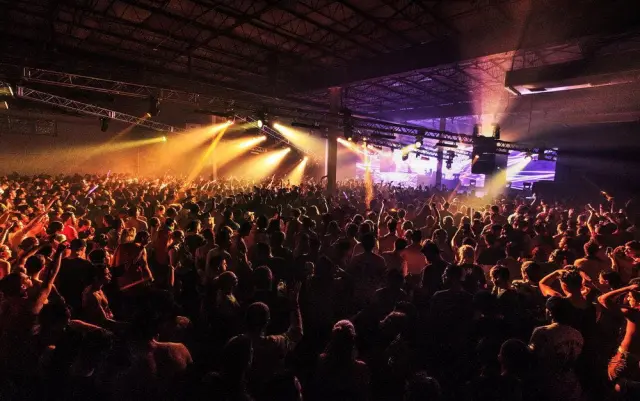
Large concert lighting systems are built in visual layers. Each layer performs a different role in creating the complete stage image.
- front wash layer provides performer illumination and facial visibility
- beam movement layer creates aerial motion and dramatic stage energy
- backlight layer adds silhouette and depth separation
- effect layer handles strobes, audience sweeps, and impact transitions
- audience lighting layer connects crowd space into the show atmosphere
Many systems combine concert moving head light fixtures with wash fixtures and strobes to create this layered performance structure.
How Should Large Concert Stages Be Zoned for Lighting?
Effective concert lighting design divides the stage into zones so each performance area receives proper visual focus.
Typical large-stage zoning includes:
- main center stage zone for lead performers
- side wing zones for band members or dancers
- rear stage zone for scenic depth
- catwalk or runway zones for extended performance movement
- audience-facing beam zones for immersive engagement
Zoning allows lighting programmers to build precise scenes where intensity and movement can shift naturally with performance choreography.
| Stage Zone | Lighting Priority | Main Purpose |
|---|---|---|
| Main Stage | high focus | performer visibility |
| Rear Stage | depth effects | visual layering |
| Audience Zone | sweep and immersion | crowd engagement |
| Catwalk | tracking light | movement continuity |
How to Choose Fixtures for Large Stage Shows?
Fixture choice should be based on throw distance, beam consistency, movement precision, and show flexibility.
For large-scale concert stages, the most common fixture mix includes:
- beam moving heads for aerial patterns and sky sweeps
- wash moving heads for color layering and scenic coverage
- profile moving heads for precise key highlighting
- strobe systems for musical accents
- laser units for high-impact peak sequences
Concert productions often integrate concert strobe light systems during high-energy drops, while larger tours increasingly combine profile fixtures for sharper stage focus.
What Rigging Structure Works Best for Concert Lighting?
Rigging determines how safely and effectively lighting fixtures can perform.
In major productions, lighting rigs are usually divided into front truss, mid truss, rear truss, side ladders, and floor support towers. This layered rigging layout creates better beam crossing angles and more dramatic vertical stage depth.
- front truss supports key wash and profile units
- mid truss supports main beam movement layer
- rear truss creates backlight and silhouette depth
- side towers enhance lateral beam coverage
- floor package supports low-angle dramatic effects
Proper concert light rig planning improves both safety and visual symmetry.
How Does DMX and Control Logic Affect Concert Lighting Design?
Even the best fixtures cannot perform well without intelligent control structure.
Concert lighting systems usually require multiple DMX universes, fixture grouping by zone, and scene programming aligned with music cue timing. Large concerts often integrate timecode synchronization for exact repeatability between songs.
- group fixtures by role instead of physical order
- separate audience effects from performer layers
- build cue stacks around setlist flow
- allow manual override for live improvisation moments
Without proper control architecture, even high-budget rigs lose precision during live performance.
What Are Common Design Mistakes in Large Concert Systems?
- too many beam fixtures without enough wash support
- poor stage zoning causing uneven coverage
- insufficient audience lighting integration
- ignoring sightline angles for camera broadcast
- rigging too low for proper beam spread
- designing for fixture quantity instead of visual balance
One common failure is overloading the rear truss while neglecting front key illumination, causing performers to disappear visually despite strong stage effects.
Real Project Example: Arena Concert Lighting Upgrade
In one arena touring production, the original lighting plan relied heavily on rear beam arrays but lacked front-stage profile focus. During rehearsals, the stage looked dramatic from wide audience angles but performer faces disappeared on camera close-ups. After redesigning the system with stronger front truss profile coverage and improved wash distribution, the stage retained its dramatic energy while improving live broadcast quality significantly.
What Should Professional Buyers Verify Before Approval?
Before approving a concert lighting system design, professional buyers should verify:
- whether the design covers all performance zones evenly
- whether rigging supports safe load distribution
- whether DMX universes match system complexity
- whether touring scalability has been considered
- whether maintenance access is practical during production schedules
Concert Lighting System Design – FAQs
What is the most important factor in designing concert lighting systems?
The most important factor is creating a balanced layered structure that combines movement, wash, performer focus, and audience immersion into one scalable design.
How many lighting layers should a large concert stage have?
Most professional concert stages require at least five major layers: front wash, movement beams, backlight, effects, and audience lighting.
What fixtures are essential for large concert stage shows?
Essential fixtures usually include moving beam heads, wash moving heads, profile units, strobes, and optional laser systems depending on show scale.
What should professional buyers check before approving a concert lighting design?
They should review zoning coverage, rigging safety, control scalability, touring flexibility, and whether the system matches the performance format.
In conclusion, designing concert lighting systems for large stage shows requires both creative design logic and technical engineering discipline. The strongest systems are those that combine layered visual storytelling with practical rigging, scalable control, and long-term production reliability.
For system-wide planning and venue-level implementation, refer to concert lighting system guide.