
Lighting Console Systems for Concert and Stage Lighting Design
Lighting console systems are the central control layer of modern stage lighting design. In professional productions, the console is not just a controller — it is the brain of the entire lighting system, integrating DMX distribution, fixture control, programming workflows, and real-time operation.
For professional buyers and lighting engineers, building a complete lighting console systems is essential for achieving scalable, reliable, and high-performance stage lighting solutions.
What a Complete Lighting Console System Includes
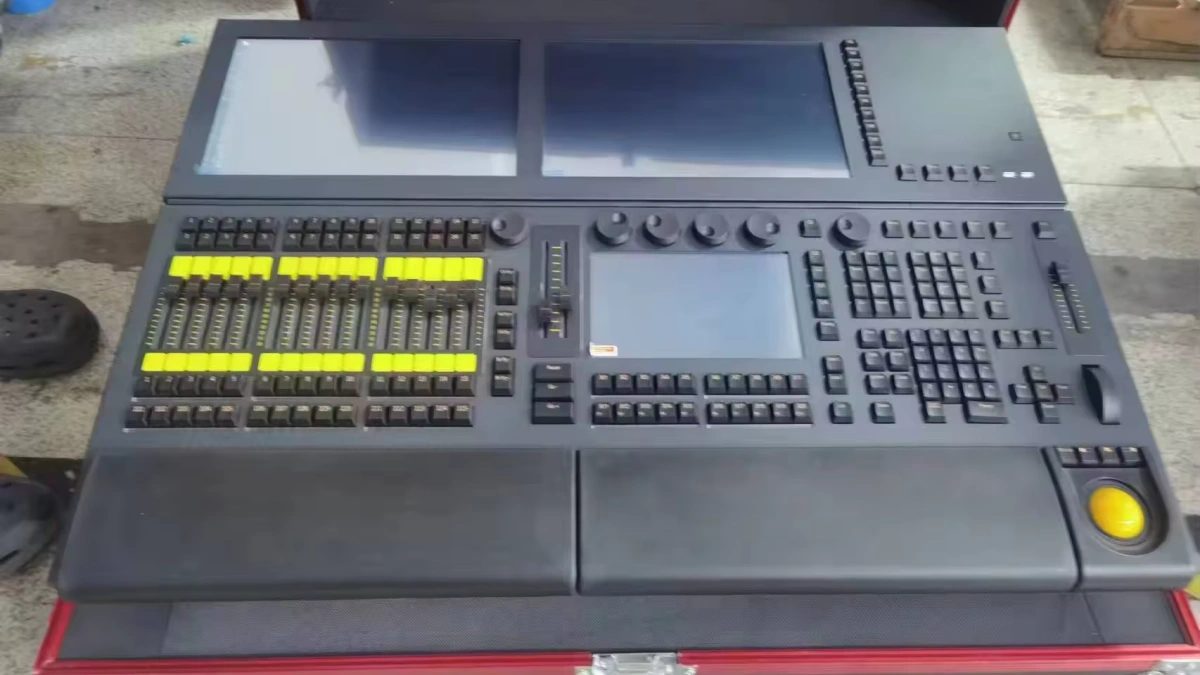
A professional lighting system is not just a console. It includes multiple interconnected components that must work together seamlessly:
- Lighting console (control center)
- DMX network (signal transmission)
- Art-Net / sACN nodes (data conversion)
- Lighting fixtures (output devices)
- Power distribution system
The integration of these elements determines the stability and flexibility of the system.
How Lighting Console Systems Work in Real Projects
In real stage productions, the system operates as a structured network:
Console → Network Switch → Node → DMX Splitter → Fixtures
Fixtures such as concert moving head light provide dynamic effects, while wash moving head ensure stage coverage.
Additional effects are created using concert strobe light and concert laser light systems.
This architecture allows precise control across large and complex stage setups.
System Design Based on Project Scale
Small Event Systems:
- 20–40 fixtures
- 1–2 DMX universes
- Compact console
Medium Stage Systems:
- 60–120 fixtures
- 4–8 universes
- Mid-level console
Large Concert Systems:
- 150–300 fixtures
- 10–20 universes
- Advanced console + backup system
Proper scaling ensures system efficiency and avoids performance bottlenecks.
Common Integration Problems and Solutions
1. Signal Instability
Caused by poor DMX distribution or long cable runs.
Solution: Use splitters and network nodes.
2. System Complexity
Large systems become difficult to manage.
Solution: Use structured grouping and programming workflows.
3. Limited System Capacity
Entry-level consoles cannot handle large setups.
Solution: Upgrade to multi-universe systems.
Real System Example (High Conversion Section)
A professional concert lighting system may include:
- 1 main console + 1 backup console
- 150+ fixtures
- 12–20 DMX universes
- Network-based control system
This setup supports large-scale productions with high reliability.
Why System Integration Determines Performance
A well-integrated system improves:
- Operational efficiency
- Programming flexibility
- Show reliability
- Visual quality
Poor integration leads to delays, errors, and system failures.
👉 Build Your Professional Lighting System
If you are planning to build or upgrade your lighting system, choosing the right console and system design is critical.
Read this guide for detailed selection strategy: How to Integrate Lighting Consoles into Stage Lighting Systems .
FAQs
What is a lighting console system?
A complete control system including console, DMX, and fixtures.
How many universes are needed?
Depends on fixture count and complexity.
What is the biggest integration issue?
Signal instability and system complexity.
Why is system integration important?
It ensures stable and efficient operation.
Can small consoles handle large systems?
No, professional systems are required.
How to build a scalable system?
Use multi-universe consoles and network protocols.