
How to Integrate Lighting Consoles into Stage Lighting Systems
Integrating a lighting console into a stage lighting system is one of the most critical steps in building a reliable and scalable production setup. Many system failures and operational inefficiencies are not caused by equipment quality, but by poor integration design.
For professional buyers and engineers, understanding how a lighting console connects with DMX networks, fixtures, and programming workflows is essential for creating a stable and high-performance lighting system.
What Lighting System Integration Really Means
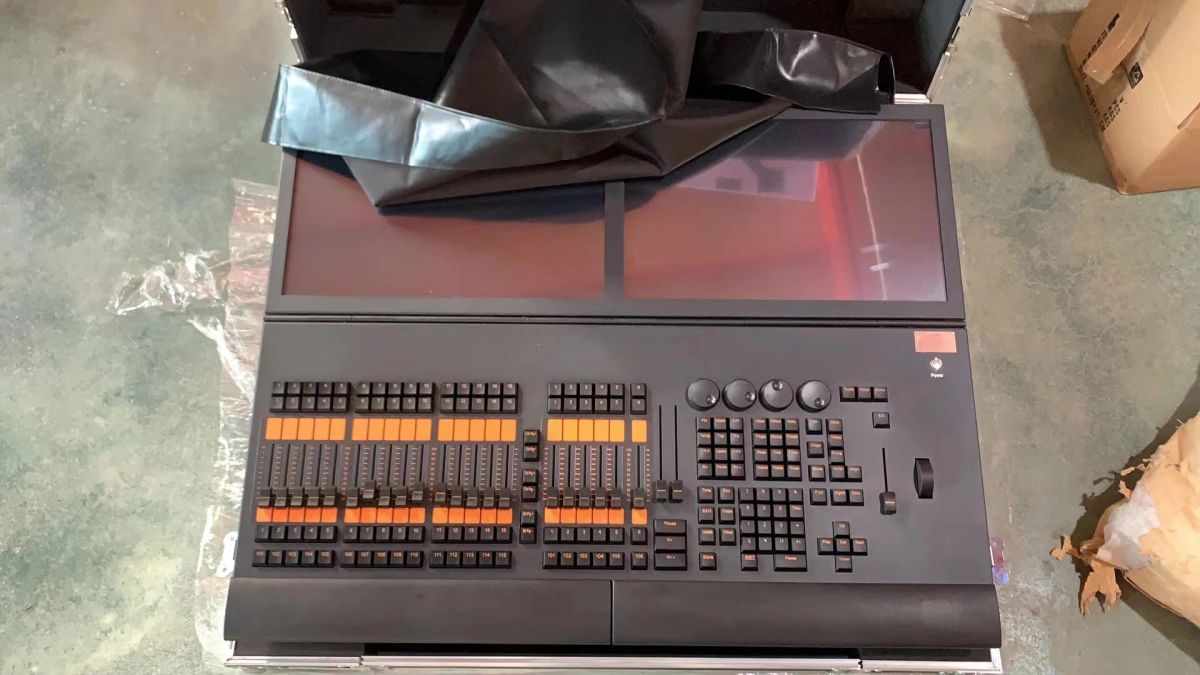
Lighting system integration is not just connecting devices. It is the process of designing a structured control network that ensures reliable signal transmission, efficient programming, and smooth live operation.
A properly integrated system follows this structure:
Console → Network Switch → Art-Net Node → DMX Splitter → Fixtures
Each layer has a specific function, and failure in any part can affect the entire system.
Step-by-Step Integration Process (Real Project Workflow)
Step 1: System Planning Based on Project Scale
Before connecting any equipment, system planning must define:
- Total number of fixtures
- DMX universe requirements
- Network topology
- Power distribution
For example, a medium stage project may require 6–8 universes, while a concert production may require 12–20 universes.
Step 2: Console and Network Setup
The console is connected to a network switch, which distributes data to Art-Net or sACN nodes. These nodes convert network data into DMX signals.
Common Problem: Using basic network equipment leads to unstable signal transmission.
Solution: Use dedicated network switches designed for lighting systems.
Step 3: DMX Distribution and Signal Management
DMX splitters are used to distribute signals to multiple fixture lines, ensuring signal stability and preventing data loss.
Common Problem: Signal loss in long cable runs.
Solution: Use splitters and avoid overloading single DMX lines.
Step 4: Fixture Integration and Addressing
Fixtures such as concert moving head light and wash moving head must be assigned correct DMX addresses.
Improper addressing is one of the most common causes of system failure.
Step 5: Programming Integration
Once hardware is connected, programming integrates the system into a functional lighting design.
This includes cue creation, effects programming, and show structure.
Common Integration Problems and Practical Solutions
1. Unstable DMX Signal
Cause: Poor cable quality or long distances.
Solution: Use signal boosters and proper distribution.
2. System Lag or Delay
Cause: Network congestion or weak hardware.
Solution: Optimize network topology and reduce unnecessary data load.
3. Fixture Control Conflicts
Cause: Incorrect addressing or patching.
Solution: Verify addressing and organize universes.
Real System Integration Example (High Conversion Section)
A professional concert lighting system typically includes:
- 1 main console + 1 backup console
- 150–250 fixtures
- 12–20 DMX universes
- Network-based DMX distribution
Effects are enhanced using concert strobe light and concert laser light.
This setup ensures reliable performance for large-scale productions.
Why Integration Quality Determines System Performance
- Better stability
- Faster programming workflow
- Reduced operational errors
- Higher show quality
Poor integration leads to system failures and costly delays.
👉 Build a Reliable Lighting System for Your Project
If your current system is unstable or difficult to manage, the issue is often poor integration.
Learn how to choose the right system here: Lighting Console Systems for Concert and Stage Lighting Design .
FAQs
What is lighting system integration?
It is the process of connecting console, DMX, and fixtures into a working system.
Why do DMX signals become unstable?
Due to poor cables or improper distribution.
How many universes are needed?
Depends on fixture count and system complexity.
What is the biggest integration mistake?
Poor planning and incorrect addressing.
Do I need network-based control?
Yes for medium and large systems.
How to improve system reliability?
Use structured network design and quality components.