
DJ Lighting Truss Setup Guide for Clubs and Stage Use
DJ lighting truss setup is one of the most important structural elements in club lighting and stage lighting projects. A well-designed truss system supports fixture safety, improves beam coverage, simplifies installation, and creates a clean professional layout for entertainment venues.
In clubs, stage shows, DJ booths, and temporary event productions, the truss is not only a support frame. It defines the geometry of the lighting system. Fixture height, spacing, angle, and grouping all depend on how the truss is configured. Poor truss setup can reduce the effectiveness of even high-quality fixtures and create safety issues in commercial environments.
For B2B buyers such as venue operators, integrators, rental providers, and lighting contractors, a proper truss setup improves installation efficiency, long-term maintenance, and future system expansion. This guide explains how to build a DJ lighting truss setup for clubs and stage use using engineering logic, nightclub application strategy, and commercial project considerations.
What Is a DJ Lighting Truss System?
A DJ lighting truss system is the framework used to suspend, support, and organize lighting fixtures in entertainment venues and performance environments.
In professional dj lighting systems, the truss structure determines whether fixtures can produce full beam movement, balanced wash coverage, and layered visual effects.
- It provides secure mounting points for fixtures
- It organizes fixture positions by function
- It supports clean signal and power routing
- It makes large systems easier to expand and service
Why Does Truss Setup Matter in Clubs and Stage Projects?
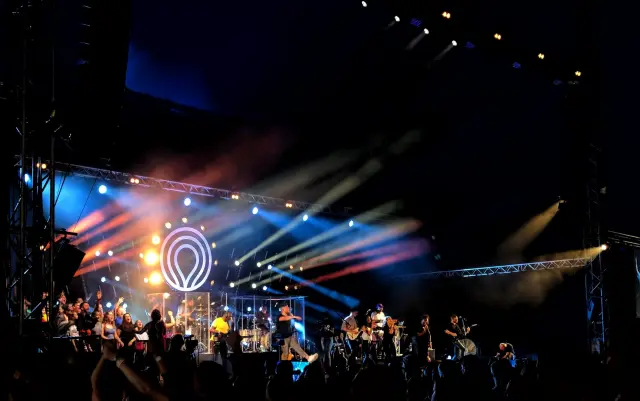
Truss setup directly affects lighting performance, venue appearance, and system safety.
- Better truss geometry creates better beam angles
- Proper height improves moving head performance
- Structured zones support layered nightclub lighting
- Good layout reduces cable clutter and maintenance problems
In both permanent clubs and mobile event systems, the truss should be planned as part of the lighting design, not added after fixture selection.
What Types of Truss Structures Are Used in DJ Lighting Projects?
Different club and stage projects require different truss configurations.
| Truss Type | Best Use | Main Advantage |
|---|---|---|
| Straight Truss | Small clubs and simple stages | Easy layout and low cost |
| Box Truss | Medium to large venues | Higher load capacity |
| Goalpost Truss | Mobile events and temporary setups | Fast deployment |
| Suspended Ceiling Truss | Permanent nightclub systems | Clean long-term installation |
Where a venue also hosts commercial functions or mixed event use, the truss may need to support both nightlife effects and balanced wedding hall lighting design scenes.
How to Set Up a DJ Lighting Truss Step by Step?
A professional truss setup should follow a structured workflow to ensure safety and performance.
1. Measure the Venue and Define Coverage Zones
Before assembly, the installer should map the DJ booth, dance floor, stage area, audience space, and ceiling height. This determines truss span, fixture spacing, and suspension height.
- Define where the main effect zone will be
- Identify where wash lighting should cover
- Reserve overhead space for moving beams and laser effects
2. Choose the Truss Layout Based on Fixture Quantity
The truss must match both the venue and the fixture count. Too small a structure creates crowding and poor beam spread, while oversized truss can increase cost without improving effect quality.
- Compact clubs often use linear truss above the dance floor
- Medium venues benefit from front-and-rear truss layers
- Large venues may use multi-zone suspended truss grids
3. Assemble and Secure the Truss
All truss sections must be assembled with correct connectors, aligned properly, and secured to rated structural points. Safety is the first priority.
- Use rated couplers, connectors, and locking pins
- Verify level alignment before hanging fixtures
- Confirm all support points meet load requirements
4. Position Fixtures by Lighting Function
Fixture placement should follow effect logic, not convenience.
- Moving heads above the dance floor for dynamic motion
- Laser fixtures positioned for safe projection zones
- Wash fixtures placed to support ambient coverage
- Effect fixtures grouped for visual rhythm and symmetry
This is especially important in dj moving head light systems where pan and tilt freedom determine the overall effect quality.
5. Route Signal and Power Cleanly
Good truss setup also means good cable routing. Clean routing improves reliability and creates a more professional final result.
- Run DMX lines logically by fixture group
- Distribute power by circuit capacity
- Secure cables along truss lines to avoid hanging loops
- Maintain service access for quick replacement
6. Test Structural and Visual Performance
After setup, the truss system should be tested for both structural stability and actual lighting performance.
- Check fixture clearance during full movement
- Confirm no truss flex affects beam accuracy
- Test programmed scenes from audience perspective
- Verify that all safety cables are correctly attached
What Truss Configuration Works Best for Clubs and Stage Use?
Different venues benefit from different truss strategies.
| Application | Recommended Truss Setup | Typical Fixture Focus |
|---|---|---|
| Small Club | Single straight truss over dance floor | Moving heads + LED bars |
| Professional Club Venue | Front and rear truss zones | Beam + wash + laser |
| DJ Booth Setup | Compact booth truss and rear effect line | Atmosphere + booth focus |
| Stage Event Use | Goalpost or suspended truss system | Coverage + dynamic effects |
Some club and stage projects also use product groups such as laser light, led par, and background matrix light fixtures to create richer layered systems.
What Are the Most Common Mistakes in DJ Lighting Truss Setup?
Most truss problems come from structural under-planning or poor fixture logic.
- Using truss with insufficient load capacity
- Mounting fixtures too close together
- Ignoring beam clearance and pan/tilt space
- Creating cable clutter that complicates maintenance
- Focusing only on symmetry instead of functional lighting zones
In professional nightclub light installations, one common issue is overloading the front truss while leaving the rear zone visually empty, which produces a flat look and weak audience immersion.
What Design Logic Produces Better Truss-Based Lighting Results?
A better truss setup follows lighting design logic and audience perspective.
- Create front, side, rear, and overhead layers
- Reserve moving effects for high-visibility zones
- Let wash fixtures support the overall ambience
- Keep the DJ booth visually connected but not overloaded
- Use truss height to maximize beam movement and scene depth
This is how professional dj laser lights and moving head systems achieve both atmosphere and structured visual rhythm.
Real Project Example: Truss Setup Adjustment in a Club Venue
In one club venue, the initial setup used a low front truss with most fixtures concentrated above the booth. The result was intense local brightness but weak room depth. After upgrading to a front-and-rear truss structure and redistributing fixtures, the venue gained better spatial layering, improved dance floor effects, and a more immersive nightlife experience.
This change also made maintenance easier because power and signal zones became more organized.
What Should Buyers Consider Before Ordering Truss-Based DJ Lighting Systems?
B2B buyers should evaluate the full system instead of selecting truss and fixtures separately.
- Total fixture weight and future expansion needs
- Fixture dimensions relative to truss spacing
- Venue structure and ceiling limitations
- Power and DMX routing strategy
- Service access and maintenance convenience
For buyers building scalable dj lighting packages, correct truss setup reduces installation time, improves commercial reliability, and supports future upgrades without a full rebuild.
Why Good Truss Setup Improves Commercial Value?
Good truss setup increases lighting performance, improves safety, and reduces long-term maintenance cost. In commercial venue projects, a clean and scalable truss system creates better ROI than simply increasing fixture quantity.
For clubs, stage venues, and event spaces, the truss is the structural backbone of the lighting system. If it is planned well, the entire system becomes easier to install, operate, and upgrade.
DJ Lighting Truss Setup – FAQs
What is the best truss setup for nightclub DJ lighting systems?
A front-and-rear layered truss layout usually works best because it improves beam depth, balances fixture placement, and supports more immersive nightclub effects.
What should buyers check before ordering a DJ lighting truss system?
They should verify fixture weight, venue ceiling limits, load capacity, DMX routing, and whether the truss layout supports future system expansion.
What is the biggest mistake in DJ lighting truss setup?
The biggest mistake is focusing only on fixture symmetry without considering beam clearance, lighting zones, and structural load distribution.
How does a better truss setup improve lighting performance?
A better truss setup improves fixture spacing, beam angle freedom, cable organization, and layered lighting design, all of which increase overall visual quality.
In conclusion, DJ lighting truss setup for clubs and stage use requires more than basic structural assembly. It requires a planned layout, safe support strategy, fixture zoning, clean signal routing, and design logic that supports real performance environments.
For full installation workflow and structural application, refer to lighting rig installation.


Leave a Reply