
Theatre Lighting Rig Setup Guide for Professional Stage Productions
Professional theatre productions rely heavily on properly designed lighting rig systems to support fixture positioning, stage coverage, cue flexibility, audience immersion, and long-term production scalability. Even the most advanced lighting fixtures and consoles cannot deliver professional results if the rigging structure itself is poorly planned.
Modern theatre lighting rigs are no longer simple hanging structures. Today’s productions require scalable infrastructure capable of supporting:
- Complex fixture layouts
- Flexible production workflows
- Dynamic lighting angles
- DMX distribution systems
- Safe long-term operation
- Fast production changeovers
Many venues experience issues such as:
- Flat stage lighting
- Uneven fixture coverage
- Restricted lighting angles
- Weak audience immersion
- Difficult maintenance access
- Poor scalability for future productions
These problems are usually caused by weak rigging design rather than fixture limitations.
If you are planning a theatre stage lighting project, this guide explains how professional theatre lighting rig systems are structured, how modern productions optimize fixture positioning, and how to build scalable infrastructure for long-term venue operation.
What Is a Theatre Lighting Rig System?
A theatre lighting rig system is the physical infrastructure used to mount, position, organize, and support lighting fixtures throughout a stage environment.
Professional rig systems include:
- Lighting trusses
- Pipe grids
- Motorized hoists
- Fixture mounting systems
- Power distribution
- DMX routing infrastructure
The rig system directly affects lighting quality, fixture flexibility, and long-term production efficiency.
Why Rigging Design Is Critical in Theatre Productions
Lighting quality depends heavily on fixture positioning.
Professional rigging design allows productions to:
- Create layered lighting depth
- Improve audience visibility
- Optimize lighting angles
- Enhance emotional atmosphere
- Support scalable cue workflows
Without proper rigging structure:
- Lighting appears visually flat
- Fixture flexibility becomes limited
- Maintenance becomes difficult
- Future upgrades become expensive
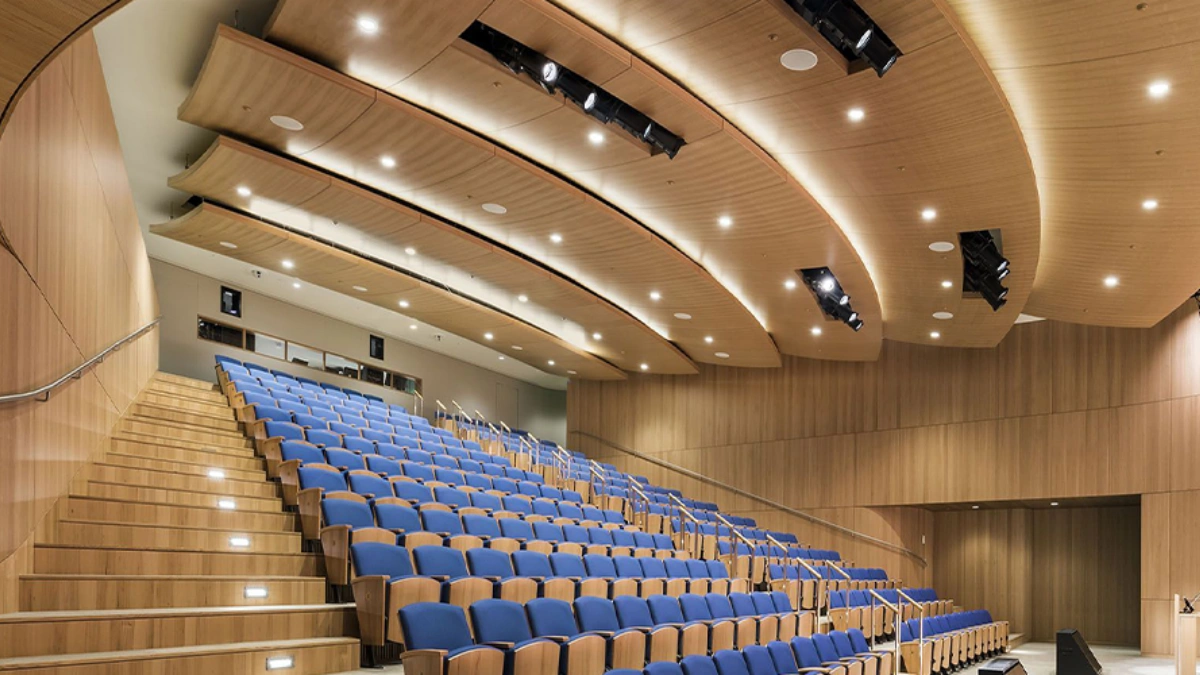
The 10 Core Components of Professional Theatre Lighting Rigs
1. Front Lighting Positions
Front lighting positions are essential for visibility and audience focus.
Professional setup strategy:
- 30°–45° beam angles
- Balanced left/right positioning
- Soft edge beam overlap
Proper front rig positioning improves facial visibility and emotional connection.
2. Overhead Lighting Truss Systems
Overhead truss systems support the main fixture layout.
Professional overhead systems support:
- Wash fixtures
- Profile fixtures
- Beam fixtures
- Scenic lighting
Flexible overhead positioning allows productions to adapt to different stage designs.
3. Side Lighting Towers
Side lighting creates stage depth and dramatic separation.
Professional side rigging improves:
- Performer contour visibility
- Dance movement emphasis
- Visual dimensionality
Side lighting is one of the most important tools in modern theatre design.
4. Back Lighting Positions
Back lighting separates performers from scenic backgrounds.
Professional back rigging supports:
- Atmospheric silhouettes
- Visual depth
- Emotional tension
Without back lighting, stages often feel visually flat.
5. Scenic and Background Lighting Structures
Modern productions increasingly use dedicated scenic lighting infrastructure.
Professional scenic systems support:
- Gradient background lighting
- Projection integration
- Textured atmosphere layers
- Architectural scenic effects
Scenic lighting strongly influences audience immersion.
6. Fixture Mounting Systems
Professional rigging requires secure and flexible mounting hardware.
Professional mounting equipment includes:
- Clamps
- Safety cables
- Adjustable brackets
- Quick-release systems
Secure mounting improves safety and maintenance efficiency.
7. Power Distribution Infrastructure
Large-scale theatre productions require stable power distribution.
Professional systems include:
- Power distribution units
- Circuit separation
- Redundant power pathways
- Structured cable routing
Reliable power infrastructure directly affects production stability.
8. DMX Routing and Signal Infrastructure
Modern rig systems increasingly integrate structured DMX routing.
Professional DMX rigging strategies include:
- Protected cable pathways
- Signal separation
- Redundant routing
- Easy maintenance access
Good DMX routing improves long-term operational reliability.
9. Motorized Hoist Systems
Large venues increasingly use motorized rigging systems.
Professional hoist systems improve:
- Fixture maintenance access
- Production flexibility
- Rigging safety
- Setup efficiency
Motorized systems are especially valuable in multi-production venues.
10. Scalability and Future Expansion
Professional venues require infrastructure capable of future growth.
Professional scalability planning includes:
- Additional truss capacity
- Expandable power systems
- Future fixture positioning
- Flexible routing pathways
This prevents expensive reconstruction later.
How Professional Productions Structure Rigging Workflows
Professional productions organize rigging systems around operational efficiency.
Typical workflow:
- Rigging design planning
- Fixture positioning
- Power distribution setup
- DMX routing
- Cue programming
- Technical rehearsal
This structure improves production consistency and maintenance efficiency.
Rigging Strategies for Different Theatre Production Types
Drama Productions
- Controlled visibility angles
- Subtle atmosphere layering
- Minimal visual distraction
Musical Theatre
- Large fixture counts
- Dynamic movement integration
- Wide stage coverage
Experimental Theatre
- Creative fixture positioning
- Abstract visual composition
- Flexible scenic integration
School and Community Venues
- Simplified rigging layouts
- Expandable infrastructure
- Budget-conscious flexibility
How LED Technology Changed Theatre Rigging Systems
Modern LED fixtures transformed rigging flexibility.
Professional LED advantages include:
- Lighter fixture weight
- Lower power consumption
- Reduced heat output
- More flexible positioning
Fixtures such as wash moving head are increasingly used because they combine:
- Atmosphere flexibility
- Movement integration
- Wide stage coverage
- Scalable cue programming
Modern LED systems allow productions to create more cinematic stage environments with greater rigging efficiency.
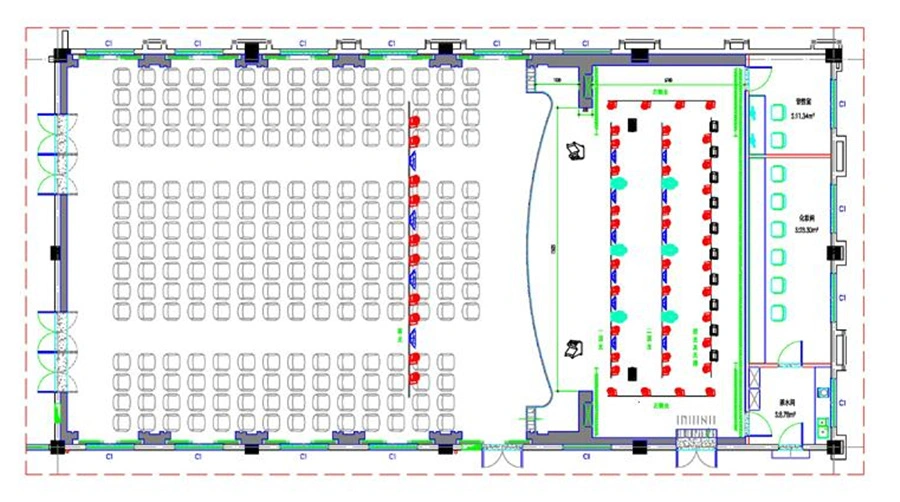
Common Theatre Lighting Rig Mistakes
1. Poor Fixture Angle Planning
Problem: flat stage appearance
Fix: create layered lighting positions
2. Weak Scalability Planning
Problem: difficult future expansion
Fix: design additional rigging capacity early
3. Poor Cable Management
Problem: maintenance difficulty and signal risk
Fix: organize structured routing systems
4. Limited Maintenance Access
Problem: inefficient production workflows
Fix: improve hoist and fixture accessibility
How Professional Rig Systems Improve Audience Experience
Rigging quality strongly affects how audiences perceive productions.
Professional rig systems improve:
- Stage depth
- Audience immersion
- Visual atmosphere
- Scene flexibility
- Production professionalism
Good rigging infrastructure often determines whether productions feel cinematic or visually limited.
How Professional Venues Build Scalable Rig Infrastructure
Modern theatres increasingly require long-term scalable rigging systems.
Professional scalability strategies include:
- Expandable truss layouts
- Additional power capacity
- Flexible DMX routing
- Upgradeable fixture positions
This allows venues to support evolving production requirements without rebuilding the entire infrastructure.
👉 Build Theatre Lighting Rig Systems Designed for Real Productions
The best theatre lighting rig systems are not simply metal structures — they are scalable production infrastructures designed around fixture flexibility, audience immersion, operational efficiency, and long-term production reliability.
Professional productions focus on:
- Layered lighting positions
- Reliable infrastructure
- Flexible production workflows
- Audience psychology
- Future scalability planning
If you want to understand how professional theatres install complete lighting systems for long-term venue operation and live production flexibility, this guide explains the next stage in detail: theatre lighting installation .
FAQs
What is a theatre lighting rig system?
It is the infrastructure used to mount, organize, and position lighting fixtures in a theatre production environment.
Why is rigging important in theatre lighting?
Rigging affects fixture angles, stage depth, flexibility, and audience immersion.
What is the biggest theatre rigging mistake?
Poor scalability planning and weak fixture positioning.
Why are motorized hoists used in theatres?
They improve safety, maintenance access, and production flexibility.
How do LED fixtures improve rigging flexibility?
They are lighter, more efficient, and easier to position.
How do professional venues build scalable rig systems?
They use expandable truss layouts and flexible infrastructure planning.