
Event Lighting Design Tips for Large Event Production
Event lighting design for large event production requires a combination of technical planning, system scalability, and visual creativity. Large productions such as concerts, festivals, and corporate events demand lighting systems that deliver consistent performance across complex environments.
For B2B buyers and lighting professionals, effective lighting design is not just about aesthetics. It involves selecting the right equipment, ensuring system compatibility, and designing a scalable lighting system that can adapt to different project requirements.
This guide provides practical lighting design tips for large event production, focusing on system structure, equipment configuration, and real-world application logic.
What Are the Core Principles of Event Lighting Design?
Lighting design is based on coverage, control, and visual hierarchy.
- Layered lighting structure for depth
- Balanced brightness for clarity
- Clear visual focus on key elements
- Consistent color temperature
These principles are widely used in event lighting for weddings and stage productions.
How to Design Lighting Systems for Large Event Production?
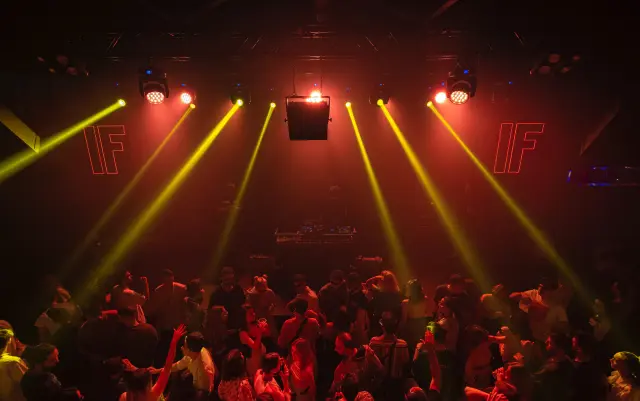
Large-scale lighting systems require structured design.
- Front lighting for visibility
- Back lighting for depth
- Side lighting for movement
Lighting Design Tips for Large Event Production
Effective design requires combining technical and visual strategies.
1. Use Layered Lighting Design
- Combine multiple lighting layers
- Create depth and separation
2. Optimize Fixture Placement
- Ensure full stage coverage
- Avoid dark zones
3. Balance Effects and Visibility
- Use beam lighting for impact
- Use wash lighting for clarity
4. Ensure System Scalability
- Design flexible systems
- Allow future expansion
| Design Element | Correct Approach | Common Mistake |
|---|---|---|
| Layering | Multi-layer design | Flat lighting |
| Placement | Even coverage | Dark areas |
| Control | Structured system | Inconsistent output |
What Equipment Works Best for Large Event Production?
Large-scale production requires a combination of lighting types.
- Beam lights for dynamic effects
- Wash lights for coverage
- Profile lights for precision
Many systems are designed around wedding hall lighting design requirements.
Real Project Example: Lighting Design Optimization
In a large event, insufficient front lighting caused poor visibility. After redesigning the system with additional wash fixtures, visibility improved significantly.
What Should Buyers Consider in Lighting Design?
B2B buyers should focus on compatibility, scalability, and reliability.
- Project requirements
- System compatibility
- Expansion capability
- Supplier reliability
Event Lighting Design – FAQs
What is the most important principle in lighting design?
Coverage and visual hierarchy are the most important factors.
How to avoid uneven lighting in large events?
Use proper fixture placement and layered lighting design.
What lighting setup is best for large productions?
A combination of beam, wash, and profile lighting provides optimal performance.
How to ensure stable lighting performance?
Use structured system design and proper configuration.
In conclusion, event lighting design for large production requires structured planning, proper configuration, and practical application.
For system optimization, refer to lighting design tips.


Leave a Reply