
How to Install Concert Light Rigging for Live Performances
Establishing a professional live performance requires a deep understanding of structural integrity and creative vision. The foundation of any spectacular event is the physical infrastructure that supports the luminaires. Mastering the technical nuances of how to install rigging for live shows is essential for safety and visual impact. In the high-stakes world of touring, a single failed shackle or an incorrectly calculated load can result in catastrophic failure, making rigorous adherence to engineering protocols non-negotiable. To achieve world-class show lighting solutions, the rig must be as stable as it is versatile.
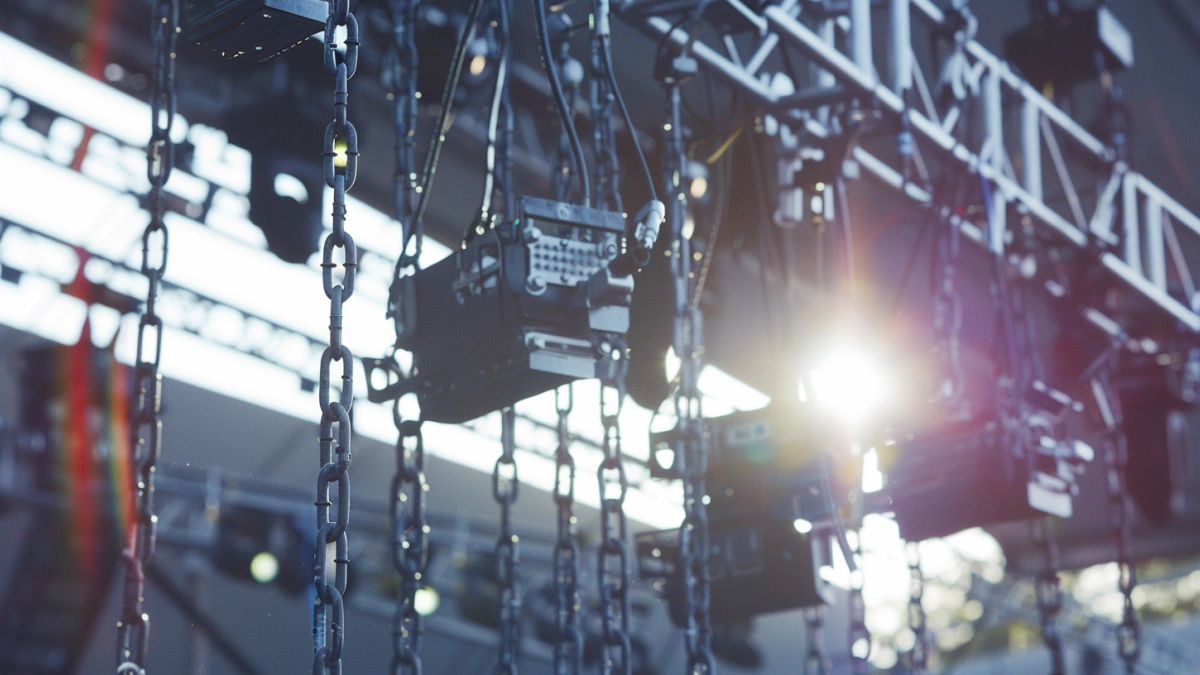
High-capacity aluminum truss assembly featuring redundant safety bonds and secondary suspension points.
Understanding Truss Load Dynamics and Material Science
The first step in any professional installation is the assembly of the concert light truss. At JC LIGHT, we exclusively utilize 6082-T6 aluminum alloy, known for its exceptional corrosion resistance and mechanical strength. This material maintains structural integrity even under the dynamic oscillations of high-speed fixtures from our Moving Head Profile category. The molecular structure of 6082-T6 allows for significant elastic deformation before reaching the point of permanent yield, which is vital for touring rigs.
Addressing Dynamic Loads: A common mistake in production is calculating only the static weight of the fixtures. When a high-torque concert moving head profile light executes rapid movements, it creates centripetal force that can multiply the effective weight on the truss by a factor of 1.5. For a large-scale concert lighting system, these forces compound, necessitating a safety factor (SWL) of 8:1. We also analyze the “moment of force” on cantilevered sections to prevent localized buckling during complex programming cues.
Precision Installation Sequence for Production Teams
During a concert rigging installation, the sequence of operations is vital for efficiency. Start by marking the hanging points using laser distometers to ensure perfect symmetry. Even a 2cm error in the concert light rig placement can ruin the alignment of geometric concert light effects. For any Stage/events lighting project, we utilize real-time load cell monitoring attached to the motor points.
When hanging fixtures, redundant safety cables (safety bonds) are mandatory. Our engineering team emphasizes that vertical support towers must be perfectly leveled using high-torque motors. This is crucial for a high-end Lighting design where beam convergence is measured in millimeters. Improper leveling can lead to uneven torque on the truss couplers, causing long-term material fatigue and potential “tacoing” of the aluminum structure.
Power Management and Data Control Resilience
A professional rig requires a robust electrical spine. For an 800W LED-based rig, voltage drop is a significant concern over long cable runs. We recommend 2.5mm² conductors to minimize line loss. Data integrity for concert lighting design is handled via Art-Net or sACN. By deploying nodes on the truss, we reduce analog DMX runs, virtually eliminating signal noise and latency during high-speed synchronized sequences. Furthermore, the use of RDM (Remote Device Management) allows technicians to monitor the thermal health of every concert stage light from the ground.
Advanced Safety Compliance and Maintenance Protocols
Adherence to global standards like PLASA and ESTA is non-negotiable for professional operators. Every shackle, O-ring, and motor must be rated and certified. We recommend a full structural X-ray of all truss sections every 24 months for touring applications to check for hairline fractures in the welds. Proper storage in flight cases prevents oxidation and physical impact damage during transit, ensuring that your investment in Special effect equipment remains secure and functional for years to come.
Expert FAQs: Rigging Safety & Technical Strategy
What is the most important safety factor in concert rigging?
The most important factor is the load-bearing capacity and a safety factor (SWL) of 8:1. Never exceed the manufacturer’s specified weight limits and always use secondary safety cables for all overhead fixtures to prevent catastrophic falls in case of primary clamp failure.
How does JC LIGHT ensure the safety of a rigging system?
Every truss piece is X-rayed for weld integrity, and every motor is tested at 125% of its rated capacity. We also provide full CAD and IES data for pre-visualization, ensuring that your weight distribution is pre-calculated before the first motor is raised.
Can I mix different truss brands in one concert light rig?
It is highly discouraged. Different manufacturers use slightly different alloy compositions and connection tolerances (couplers vs pins). Mixing brands can create localized stress points that lead to structural failure under dynamic loads.
How often should rigging hardware be inspected?
For touring rigs, we recommend a visual inspection before every load-in and a full structural audit every 24 months. Soft goods like slings and span-sets should be replaced annually if any fraying or heat damage is detected.