
How to Optimize Event Lighting Systems for Performance
Optimizing event lighting systems for performance is a critical step in delivering reliable, visually consistent, and technically stable lighting in professional events. Whether used in concerts, corporate productions, or large-scale wedding venues, a well-optimized event lighting system ensures accurate control, balanced output, and reduced operational risk.
For B2B buyers such as rental companies, system integrators, and distributors, lighting optimization is not only about improving visual effects. It directly impacts system efficiency, long-term reliability, and maintenance costs. Poorly optimized lighting systems often result in signal delays, uneven brightness, and unstable operation during live events.
This guide explains how to optimize event lighting systems for performance using structured system design, real-world engineering logic, and scalable configuration strategies.
What Does Lighting Optimization Mean in Event Lighting Systems?
Lighting optimization refers to improving system efficiency, control accuracy, and visual consistency across all fixtures.
- Ensuring uniform beam coverage
- Reducing DMX signal delay
- Balancing power distribution
- Synchronizing lighting effects
These optimization strategies are widely applied in wedding and event lighting and large-scale productions.
What Is the Standard Structure of an Optimized Lighting System?
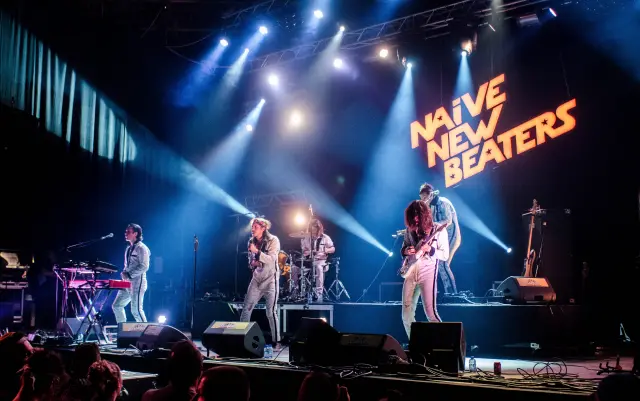
A well-optimized event lighting system is built on a structured design.
- Controller → DMX splitter → grouped fixtures
- Power distribution → balanced circuits
- Signal segmentation → reduced latency
Without proper structure, even high-end event lighting equipment cannot perform efficiently.
How to Optimize Event Lighting Systems Step by Step?
Effective lighting optimization requires systematic planning and execution.
1. Optimize Fixture Layout
- Ensure even spacing between fixtures
- Avoid overlapping hotspots
- Adjust angles based on stage geometry
2. Improve DMX Signal Distribution
- Use DMX splitters for large systems
- Limit fixtures per signal chain
- Organize DMX addressing properly
3. Balance Power Load
- Distribute fixtures across circuits
- Avoid overload on single power lines
- Use stable power supply systems
4. Optimize Control Programming
- Synchronize effects across fixtures
- Reduce latency in transitions
| Optimization Area | Correct Approach | Common Issue |
|---|---|---|
| Layout | Even distribution | Uneven lighting |
| Signal | Use splitters | Signal delay |
| Power | Balanced circuits | Overload risk |
What Equipment Configuration Improves Lighting System Performance?
Optimized systems rely on balanced equipment configuration.
- Beam lights for dynamic effects and long-distance projection
- Wash lights for consistent coverage
- Profile lights for precision and focus
- Control systems for synchronization
Many optimized systems are designed based on event hall lighting requirements.
Lighting Design Logic Behind System Optimization
Lighting optimization is driven by design logic rather than equipment alone.
- Layered lighting structure (front, side, back)
- Visual hierarchy for stage focus
- Balance between dynamic and static lighting
- Consistency across scenes
Common Mistakes in Lighting Optimization
Most lighting system issues are caused by poor optimization rather than hardware failure.
- Too many fixtures on a single DMX chain
- Improper fixture positioning
- Unbalanced power distribution
- Inconsistent fixture types
In large venues, signal delay becomes noticeable when more than 30–40 fixtures are connected without proper DMX distribution.
Real Project Example: Lighting Optimization in Practice
In a concert project, delayed response was observed due to overloaded DMX chains. After introducing signal splitters and redistributing fixtures, system response improved significantly and lighting transitions became smooth.
What Should B2B Buyers Focus on in Lighting Optimization?
B2B buyers should prioritize system reliability and scalability.
- Consistent fixture performance across batches
- Compatibility with existing systems
- Ease of maintenance
- Scalable system design
Event Lighting Optimization – FAQs
How can I improve lighting system performance in large events?
Optimize layout, use proper DMX distribution, and balance power loads across circuits.
What is the biggest cause of lighting system failure?
Signal overload and improper system configuration are the most common causes.
How to reduce signal delay in lighting systems?
Use DMX splitters and limit fixture count per signal chain.
Why is lighting optimization important for B2B projects?
It ensures long-term reliability, reduces maintenance costs, and improves performance consistency.
In conclusion, optimizing event lighting systems for performance requires structured system design, proper configuration, and real-world testing.
For advanced design strategies, refer to lighting optimization.


Leave a Reply