
LED Church Stage Lighting Systems for Worship and Live Streaming
LED church stage lighting systems have become the standard solution for modern worship environments because they provide energy efficiency, flexible color control, low heat output, and better compatibility with live streaming production.
However, many churches still struggle with poor lighting quality, uneven stage coverage, difficult control systems, or video problems caused by incorrectly selected LED fixtures.
The issue is usually not the LED technology itself — it is the lack of a properly designed lighting system.
If you are planning or upgrading a church stage lighting project, this guide explains how professional churches build LED lighting systems that work effectively for worship services, stage production, and live streaming.
Why LED Lighting Has Become the Standard for Churches
Traditional lighting systems often create major operational challenges:
- High power consumption
- Excessive heat on stage
- Limited color flexibility
- Difficult maintenance
LED systems solve these problems while offering far greater control and scalability.
Key advantages of LED systems:
- Lower operating cost
- Reduced heat generation
- Flexible color mixing
- Longer fixture lifespan
- Better compatibility with modern control systems
For churches operating multiple weekly services and live streaming environments, these benefits are significant.
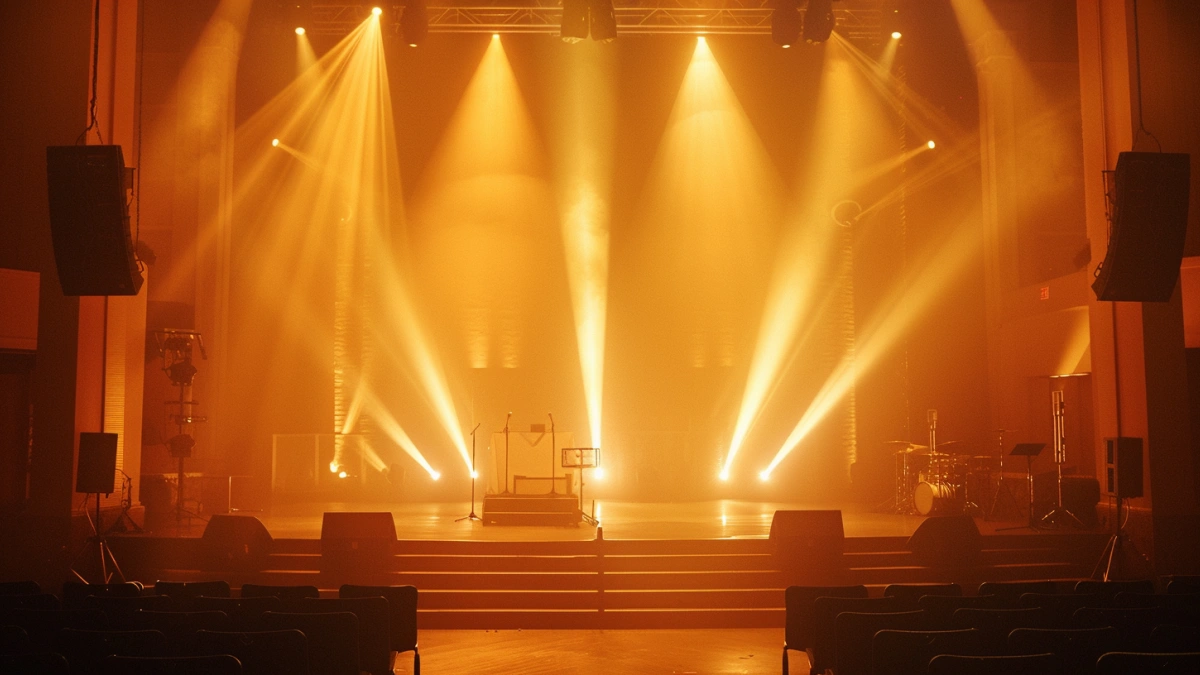
The 5 Core Layers of an Effective LED Church Lighting System
Professional churches do not simply install LED fixtures randomly. They build structured systems with defined lighting layers.
1. Front Key Lighting (Most Important Layer)
Front lighting ensures speakers and worship leaders are clearly visible both in person and on camera.
Best practices:
- Use soft LED front lighting
- Install fixtures at 30°–45° angles
- Maintain even brightness across faces
Common mistake: using overly bright LED fixtures directly facing the stage, causing harsh shadows and overexposure.
2. Wash Lighting (Coverage Layer)
Wash lighting creates consistent illumination across the stage.
Fixtures such as wash moving head are widely used because they provide:
- Wide beam coverage
- Adjustable brightness
- Flexible color control
Common issue: visible hotspots caused by improper spacing.
Fix: overlap wash beams instead of isolating fixtures.
3. Background and Depth Lighting
One of the biggest visual problems in church environments is flat stage appearance.
LED background lighting solves this by:
- Creating stage depth
- Separating people from walls
- Improving camera visuals
Best setup:
- Wall wash fixtures
- Gradient color backgrounds
- Soft side lighting
4. Worship Atmosphere Lighting
Modern worship environments often use subtle movement and color transitions during music segments.
Fixtures such as concert moving head light can add atmosphere when used carefully.
Important: atmosphere lighting should support worship emotionally, not create distraction.
5. Streaming Optimization Layer
Lighting designed only for human eyes often performs poorly on camera.
Professional streaming-friendly LED systems focus on:
- Soft key lighting
- Balanced background exposure
- Consistent color temperature
- Flicker-free dimming
This layer is essential for churches that livestream weekly services.
LED Lighting System Recommendations by Church Size
Small Church LED Setup
- 4–6 wash fixtures
- 2–4 front fixtures
- Simple controller
Goal: affordable but clean worship lighting
Medium Church LED Setup
- 8–12 wash fixtures
- 4–6 front lights
- Background lighting layers
Goal: balanced in-person and streaming experience
Large Church LED Setup
- 12–20 wash fixtures
- 6–10 front lights
- Advanced atmosphere lighting
- Programmable control system
Goal: immersive worship production
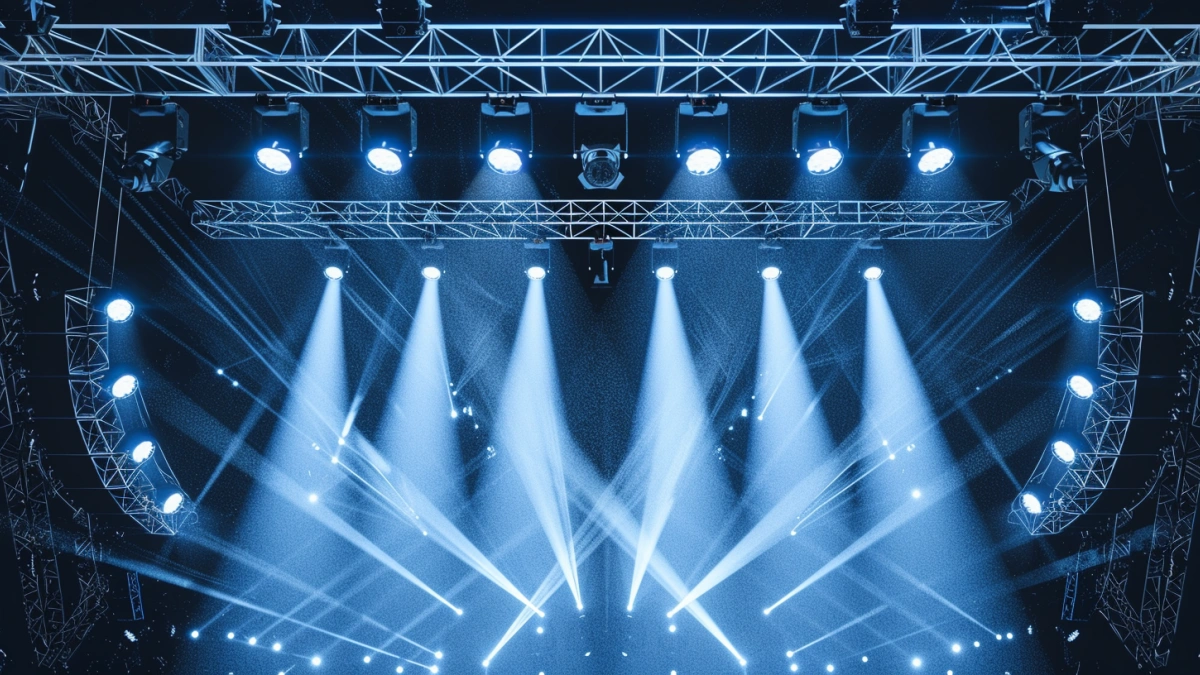
How to Choose the Right LED Fixtures (Where Most Budgets Fail)
Many churches purchase fixtures based only on brightness or price, which often creates long-term problems.
Professional selection factors:
- Beam angle for proper coverage
- CRI (Color Rendering Index) for natural skin tones
- Flicker-free operation for cameras
- Reliable dimming performance
Common mistake: buying low-cost fixtures with poor dimming quality.
Result: flickering during live streaming and inconsistent brightness.
Most Common Problems in LED Church Lighting Systems
1. Uneven Stage Lighting
Cause: poor fixture placement
Fix: redesign wash coverage with overlapping beams
2. Overexposed Faces on Camera
Cause: harsh front lighting
Fix: soften intensity and improve positioning
3. Flat Stage Appearance
Cause: lack of depth lighting
Fix: add background and side lighting layers
4. Difficult Volunteer Operation
Cause: overly complex lighting programming
Fix: create simple presets and repeatable scenes
How Professional Churches Build LED Systems That Last
Churches with successful lighting systems focus on scalability instead of temporary solutions.
Professional strategies:
- Choose expandable control systems
- Prioritize front and wash lighting first
- Add atmosphere lighting gradually
- Use structured DMX layouts
This approach avoids unnecessary future replacement costs.
LED Lighting and Worship Atmosphere
Lighting directly influences how worship environments feel emotionally.
Warm tones: welcoming and intimate atmosphere
Cool tones: modern and clean visual style
Soft movement: supports music transitions
Good lighting design creates engagement without becoming distracting.
👉 Build an LED Church Lighting System That Works Every Week
The best LED system is not the one with the most fixtures — it is the one that delivers reliable performance every service.
Focus on:
- Balanced lighting layers
- Camera-friendly design
- Scalable system structure
- Simple volunteer operation
If you are planning fixture upgrades, this guide explains how to choose the right equipment in detail: LED fixtures .
FAQs
Why are LED lights better for churches?
They offer lower power consumption, flexible colors, and better streaming compatibility.
What is the most important LED lighting layer?
Front key lighting for visibility and cameras.
How do churches improve streaming quality?
By using balanced, flicker-free LED systems.
What causes LED flickering on video?
Poor dimming systems and incompatible fixtures.
Do churches need moving head lights?
Only for atmosphere and advanced worship production.
What is the biggest LED lighting mistake?
Buying fixtures based only on price instead of system design.