
Sound Activated DJ Lighting Systems for Club Events
Sound activated DJ lighting systems for club events are popular because they offer a fast and accessible way to create music-responsive lighting without requiring full manual programming. In smaller clubs, temporary event spaces, mobile DJ environments, and simplified venue installations, sound activated systems can produce energetic visual reactions with less setup complexity. However, the quality of the result depends heavily on how the fixtures are selected, how the venue is structured, and whether the sound-activated behavior is integrated into a broader visual plan.
For professional buyers such as venue operators, event planners, lighting contractors, and nightlife project managers, sound activated DJ lighting systems should not be viewed as a shortcut to a premium show. They are a specific control strategy with clear advantages and clear limits. When applied in the right environment, they can be flexible and efficient. When applied incorrectly, they often create repetitive effects, poor contrast, and lighting that reacts to raw sound in ways that do not support the actual mood of the venue.
This guide explains how sound activated DJ lighting systems work, where they perform best, how they compare to programmed nightclub lighting systems, and what professional buyers should verify before choosing them for club events and entertainment venues.
What Is a Sound Activated DJ Lighting System?
A sound activated DJ lighting system is a system in which lighting fixtures react automatically to audio input rather than depending entirely on manually triggered scenes or fully programmed show cues.
In practical terms, fixtures detect beat, volume, or audio rhythm through built-in microphones or audio input systems, then trigger movement, color changes, chases, or other effects. This makes sound activated systems appealing in venues where ease of use matters and where the operator may not want to run complex lighting programming every night.
- the system reacts automatically to rhythm or sound intensity
- setup is usually faster than full scene programming
- less operator skill may be required for basic use
- results can vary depending on room acoustics and fixture quality
In nightlife spaces using dj lighting, the most successful sound activated systems are the ones that are used with clear limits and realistic expectations.
What Equipment Is Needed for Sound Activated DJ Lighting Systems?
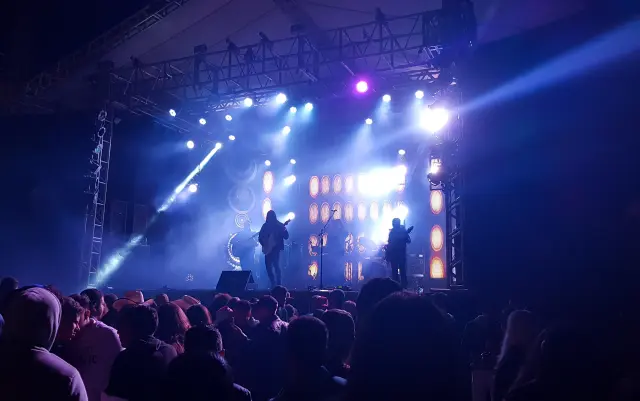
A sound activated system may look simple, but it still needs the right fixture mix and room logic to perform well.
- fixtures with reliable sound-activated or auto-reactive modes
- good room acoustics so beat response is usable
- fixture categories that react differently enough to create contrast
- optional controller logic for partial override or hybrid operation
- stable rigging and power structure just like any other venue lighting system
In many simplified club systems, buyers combine moving head lights dj, dj led lights, and effect light categories to create more visual variation under automatic response.
How Do Sound Activated Systems Work in Club Events?
Sound activated systems work by analyzing beat or volume input and converting that into fixture reactions such as movement, chase speed, dimming bursts, or effect triggers.
In smaller club events, this can produce a lively atmosphere quickly. However, the results depend on how well the fixtures interpret sound and how intelligently the system is layered. If every fixture reacts to every beat in the same way, the result usually feels messy instead of premium.
- movement fixtures may sweep faster during louder sections
- wash fixtures may pulse or change color with rhythm
- effect fixtures may burst during beat peaks
- laser or strobe layers should be used carefully so they retain impact
A common misconception is that automatic sound response automatically creates a nightclub-quality show. In reality, the venue still needs room structure, fixture balance, and visual hierarchy.
When Are Sound Activated Systems a Good Choice?
Sound activated systems are often a good choice when the venue needs fast deployment, simple operation, and lower programming complexity.
They are often suitable for:
- smaller club events with moderate fixture counts
- temporary or mobile setups where fast configuration matters
- venues with limited operator experience
- entry-level entertainment installations where full DMX programming is not a priority
They are usually less ideal when the venue needs highly polished nightclub branding, layered show logic, and strong contrast across the whole night. In those environments, a more structured approach such as music sync programming usually gives better results.
What Are the Main Advantages of Sound Activated DJ Lighting Systems?
Sound activated systems are popular because they reduce complexity while still creating movement and response.
- fast setup and operation
- reduced programming requirements
- usable results in smaller or simpler venues
- lower barrier for operators who do not want deep scene programming
- easy effect response for short-format events
These benefits make sound activated systems commercially attractive for some venues, especially when paired with efficient fixture categories such as dj laser lights and beam-based movement fixtures.
What Are the Main Limitations of Sound Activated Systems?
Sound activated systems also have significant limitations, especially in professional club environments.
- they often react to raw sound instead of musical structure
- they can become repetitive over longer operating periods
- they provide less control over contrast and visual storytelling
- they may struggle in acoustically complex rooms
- they can make booth focus weaker if every layer reacts equally
For professional buyers, this means sound activated systems should be chosen for the right type of project, not assumed to be the best solution for every nightclub.
| Control Type | Main Strength | Main Limitation |
|---|---|---|
| Sound Activated | fast and simple setup | less structured scene control |
| Programmed Scene Control | stronger visual precision | requires more planning |
| Hybrid System | flexible operation | needs careful integration |
How Can Sound Activated Systems Be Improved?
The strongest sound activated systems usually improve performance by adding structure rather than relying on automatic reaction alone.
- separate fixtures into movement, wash, and accent layers
- reduce effect density so the room does not feel chaotic
- keep booth visibility independent where possible
- use hybrid operation where certain fixtures remain manually structured
- choose fixtures whose sound modes are genuinely usable in commercial rooms
In many venues, combining automatic response with selective manual or scene-based layers gives better results than running the entire room in the same sound-reactive mode.
Real Project Example: Upgrading a Sound Activated Club Setup
In one smaller nightlife venue, the original sound activated system made every fixture react aggressively to every beat. For the first few songs the room felt energetic, but later the effect became repetitive. The booth also disappeared because its lighting reacted in the same way as the dance floor.
The revised system kept sound activation for selected movement fixtures but separated the wash layer and booth layer into more controlled visual behavior. This hybrid approach kept the venue lively while making the room feel cleaner, more premium, and easier on the audience over a full operating night.
What Should Professional Buyers Check Before Choosing Sound Activated Systems?
Before choosing sound activated DJ lighting systems for club events, professional buyers should verify:
- whether the venue really needs simplified automatic control
- whether room acoustics support stable beat response
- whether booth and wash layers can remain visually controlled
- whether the fixtures offer usable and not overly aggressive sound modes
- whether the system may later need a more advanced control path
In multi-use venues, some operators may also want softer lighting operation for non-club bookings, which can align better with flexible categories such as wedding banquet lighting during private functions.
Sound Activated DJ Lighting – FAQs
Are sound activated DJ lighting systems suitable for professional club events?
They can work well in smaller or simpler venues, but in more premium nightclub environments they usually perform best when combined with structured scene logic or hybrid control.
What is the biggest weakness of sound activated lighting systems?
The biggest weakness is that they often react to raw sound rather than musical structure, which can make the room feel repetitive and less intentional over time.
How can a venue improve a sound activated lighting setup without replacing all fixtures?
It can improve results by separating movement, wash, and booth roles, reducing uncontrolled effect density, and using hybrid control for key visual layers.
What should professional buyers review before selecting sound activated club lighting?
They should review room acoustics, fixture behavior in sound mode, booth visibility strategy, expansion needs, and whether the venue would benefit more from a programmed or hybrid system.
In conclusion, sound activated DJ lighting systems for club events can be effective when they are matched to the right venue type and used with realistic design logic. They are strongest when automatic response is supported by fixture balance, room structure, and controlled visual layers.
For more structured rhythm-based lighting strategy, refer to music sync.


Leave a Reply