
Church Stage Lighting Setup Guide for Professional Installations
Professional church stage lighting installation is very different from basic lighting setup. It is not just about placing fixtures — it is about building a stable, scalable system that works consistently every week, supports live streaming, and remains easy to operate for volunteers.
Many churches invest in equipment but still experience uneven lighting, unstable control, or complicated operation. In most cases, the issue is not the equipment itself, but the system installation design.
If you are planning a stage lighting for church project, this guide explains how to build a professional installation that actually works in real worship environments.
What Makes a Church Lighting Installation “Professional”
A professional installation is defined by three factors:
- System stability (no signal loss or flickering)
- Consistent lighting quality (balanced and repeatable)
- Simple operation (especially for volunteers)
Without these, even expensive lighting systems fail to deliver results.
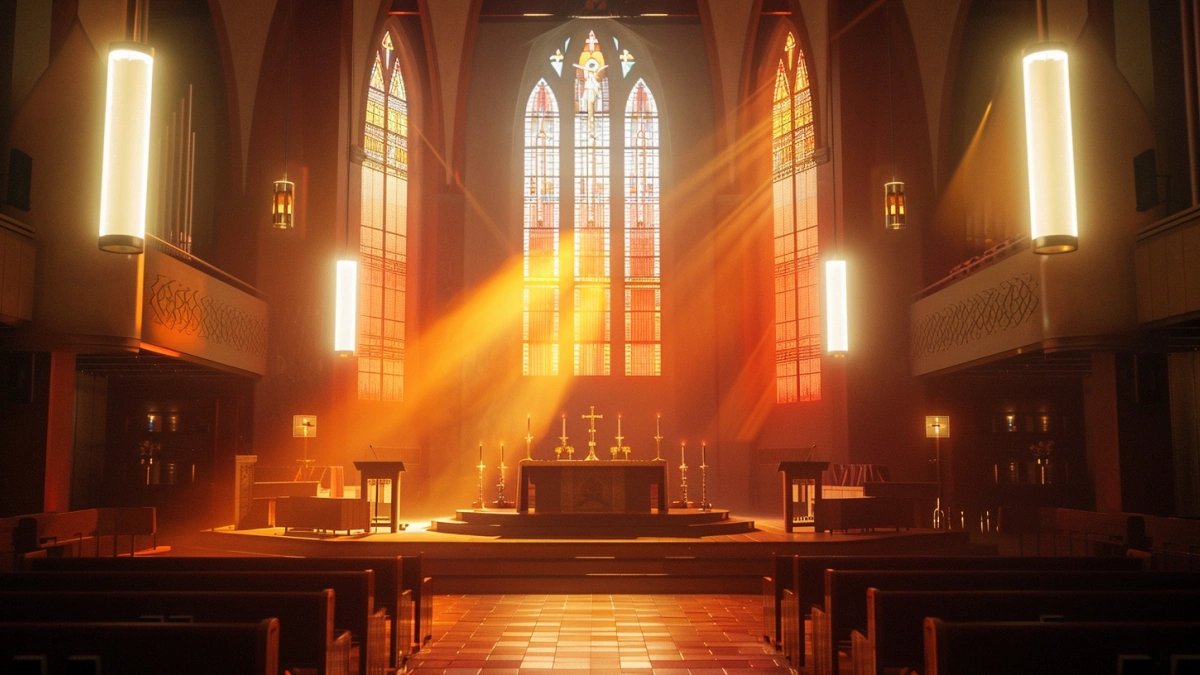
Step 1: Pre-Installation Planning (Most Critical Step)
Before installing any equipment, you must define:
- Stage dimensions and layout
- Fixture quantity and positioning
- DMX universe requirements
- Control system complexity
Common mistake: installing lights first and planning later.
Solution: design the system structure before installation begins.
Step 2: Fixture Positioning and Rigging
Proper fixture positioning determines lighting quality.
Front Lighting Installation
Front lights must be installed at 30°–45° angles to eliminate shadows on speakers.
Wash Lighting Installation
Fixtures like wash moving head should be evenly spaced for full stage coverage.
Effect Lighting Installation
Use concert moving head light carefully to enhance atmosphere without distraction.
Common issue: installing fixtures too close or unevenly spaced.
Fix: follow symmetrical layout and consistent spacing.
Step 3: DMX System Installation and Wiring
The DMX system is the backbone of your lighting setup.
Basic structure:
Controller → DMX Splitter → Fixtures
Common problems:
- Signal loss over long distances
- Unstable connections
Solutions:
- Use DMX splitters for signal distribution
- Use high-quality cables
- Avoid overloading a single DMX line
Step 4: Power Distribution and Safety
Power management is often overlooked but critical.
- Distribute power evenly across circuits
- Avoid overloading outlets
- Use proper cable management
Poor power setup can cause flickering or system failure.
Step 5: Control System Setup and Configuration
The control system must be simple and reliable.
Best practices:
- Use presets for common service types
- Label controls clearly
- Keep operation intuitive
This is especially important for volunteer-based operation.
Step 6: Testing and Calibration
After installation, testing is essential.
Checklist:
- Verify all fixtures respond correctly
- Test lighting with live streaming cameras
- Adjust brightness and color balance
This step ensures the system performs as expected during services.
Recommended Installation Setup by Church Size
Small Church Installation
- 4–6 wash lights
- 2–4 front lights
- Basic controller
Medium Church Installation
- 8–12 wash lights
- 4–6 front lights
- 2–4 effect lights
Large Church Installation
- 12–20 wash lights
- 6–10 front lights
- Advanced control system
Common Installation Problems and How to Avoid Them
1. Uneven Lighting Output
Cause: poor fixture positioning
Fix: redesign layout for full coverage
2. System Instability
Cause: poor DMX or power setup
Fix: improve signal and power distribution
3. Difficult Operation
Cause: overly complex system design
Fix: simplify controls and use presets
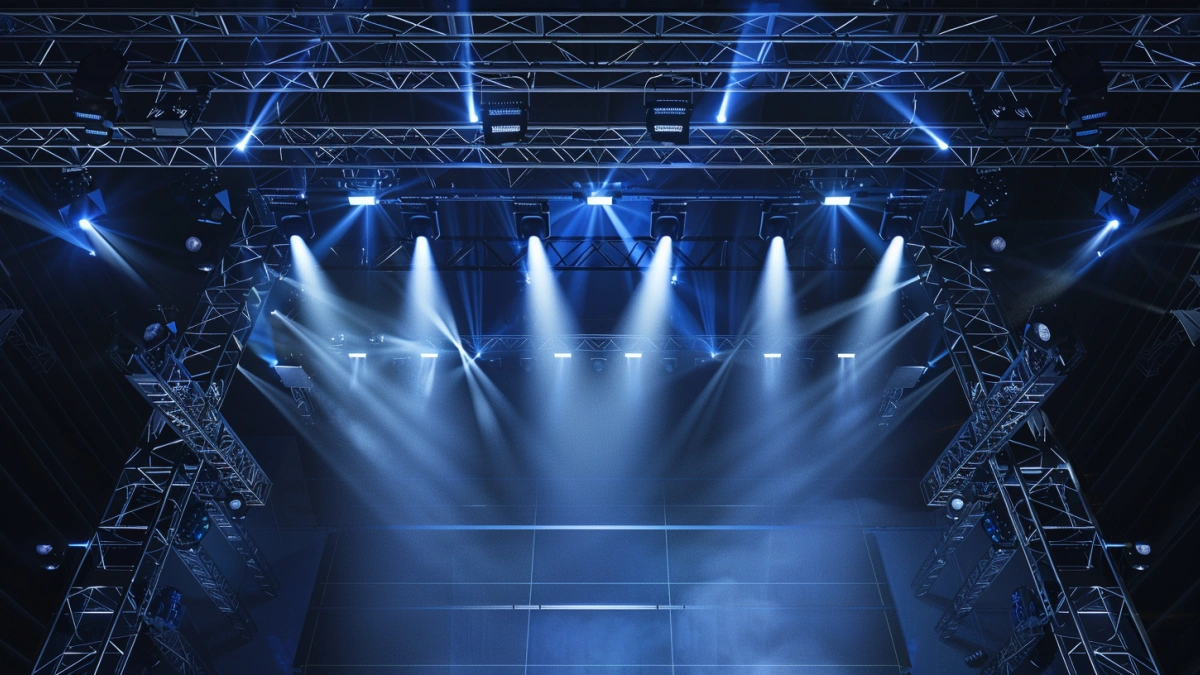
👉 Build a Reliable Church Lighting Installation
A successful installation is not about having more equipment — it is about having the right system design.
Focus on:
- Proper planning
- Correct fixture placement
- Stable signal and power systems
- Simple control interface
If you are still designing your system, this guide explains the full structure: lighting setup guide .
FAQs
What is professional church lighting installation?
It is a structured setup designed for stability and performance.
Why does lighting system fail after installation?
Due to poor planning and wiring issues.
How to ensure stable DMX signal?
Use splitters and proper cabling.
How important is fixture positioning?
It directly affects lighting quality.
Can volunteers operate complex systems?
Only if the system is simplified properly.
What is the biggest installation mistake?
Skipping system planning before setup.