
Concert Lighting Design Guide for Professional Stage Events
Concert lighting design is the final stage where all elements of a production come together. While individual components such as fixtures, rigging, and control systems are important, it is the design process that determines how these elements work together to create a cohesive visual experience. For professional stage events, lighting design is not just about aesthetics. It is a strategic process that shapes audience perception, enhances performance, and defines the overall quality of the show.
For professional buyers, understanding lighting design is essential when planning large-scale productions. A well-designed system ensures that every fixture is used effectively, every angle is optimized, and every effect contributes to the performance. Modern productions are typically built around a complete concert lighting design approach, where all components are integrated into a unified system.
What Defines a Professional Concert Lighting Design
A professional lighting design is not simply a collection of effects. It is a structured approach that considers the relationship between light, space, and performance. Designers must balance multiple factors, including visibility, atmosphere, and dynamic movement.
One of the key aspects of design is layering. Different types of lighting are used together to create depth. For example, front lighting ensures that performers are visible, while back lighting creates silhouettes and adds contrast. Overhead lighting provides coverage and atmosphere, while side lighting enhances dimension.
In addition to layering, timing is critical. Lighting must follow the structure of the performance, changing in intensity and movement to match the music. This requires careful planning and programming to achieve the desired effect.
How to Plan Lighting Layout for Large Stage Events
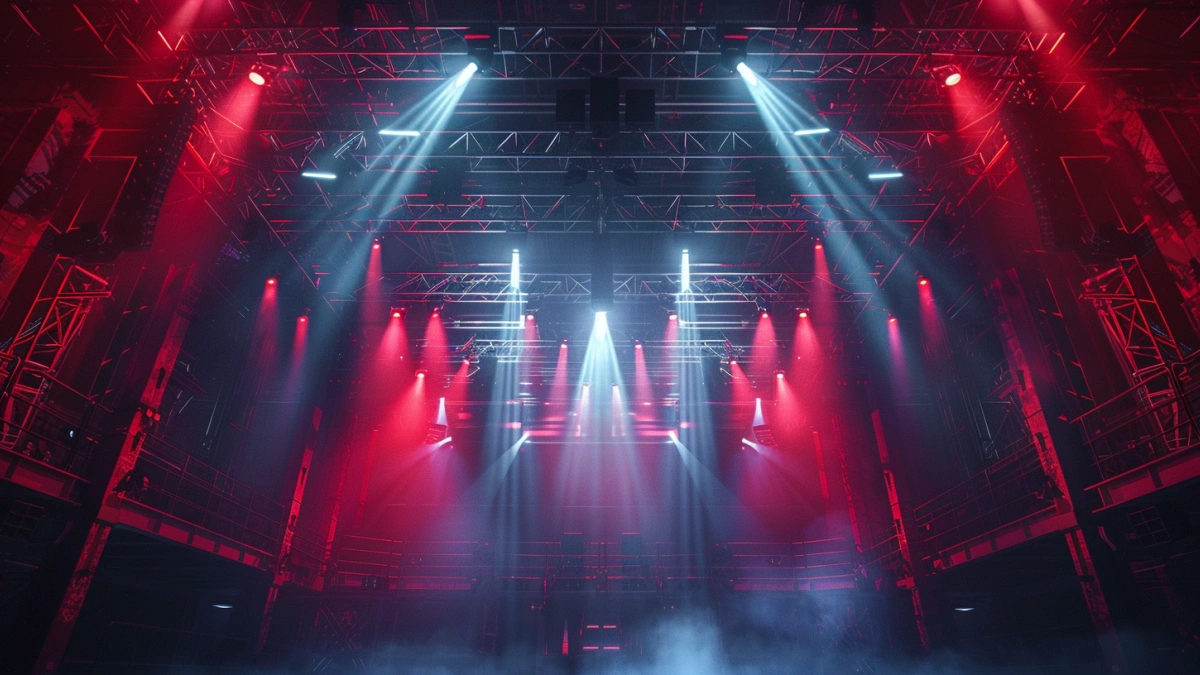
Planning the layout is one of the most important steps in lighting design. The position of fixtures determines how effectively the stage is illuminated and how dynamic the effects appear. In large productions, multiple truss layers are used to achieve comprehensive coverage.
Front trusses are typically used for visibility, ensuring that performers are clearly lit. Overhead trusses provide the main source of effects, allowing fixtures to create beams and movement across the stage and audience. Side positions are used to add depth and create cross-lighting effects.
Fixtures such as concert moving head light are often placed on overhead trusses to create dynamic beam effects. These fixtures can move quickly and produce sharp beams that extend into the audience.
At the same time, wash moving head fixtures are used to provide even coverage across the stage. Proper spacing and positioning are essential to avoid uneven lighting.
Choosing the Right Lighting Fixtures for Design Goals
Selecting the right fixtures is a key part of the design process. Different types of fixtures produce different effects, and the choice depends on the goals of the production.
Beam fixtures are ideal for creating high-impact effects, especially in large venues. Their narrow beams can travel long distances, making them suitable for outdoor events and large arenas. Wash fixtures provide broader coverage and are used to create atmosphere and color transitions.
Impact effects are often created using concert strobe light systems. These are used to emphasize key moments in the performance, such as beat drops or transitions.
Advanced visual effects can be achieved with concert laser light systems, which are commonly used in high-energy performances.
Designing for Different Types of Concert Events
Lighting design must adapt to the type of event. Indoor concerts, outdoor festivals, and touring shows all have different requirements. Indoor venues allow for more controlled environments, making it easier to achieve precise lighting effects.
Outdoor events present additional challenges, such as ambient light and weather conditions. In these cases, higher-output fixtures and more robust rigging systems are required.
Touring productions require flexible designs that can be adapted to different venues. This often involves modular systems that can be reconfigured quickly.
Common Mistakes in Concert Lighting Design
One of the most common mistakes is overcomplicating the design. Using too many effects can make the show feel chaotic rather than cohesive. Another issue is poor fixture placement, which can reduce the effectiveness of the lighting.
Ignoring the relationship between lighting and music is also a common problem. Without synchronization, the lighting may feel disconnected from the performance.
Finally, lack of planning can lead to inefficient setups and increased costs. A well-structured design process helps avoid these issues.
Real Application in Stage Production
In a large concert production, a well-planned lighting design was used to enhance the performance. By combining multiple layers of lighting and synchronizing effects with music, the production team created a dynamic and immersive experience.
The result was a show that not only looked impressive but also felt engaging to the audience. This demonstrates the importance of a structured design approach.
What Professional Buyers Should Consider
When planning lighting design, buyers should consider flexibility, scalability, and compatibility. The system should be able to adapt to different types of events and venues.
Ease of use is also important. A user-friendly system allows designers to create and adjust effects more efficiently. Reliability is another key factor, especially for large productions where consistency is critical.
FAQs
What is the most important factor in concert lighting design?
Balancing visibility, atmosphere, and synchronization with music is essential.
How do designers plan lighting layouts?
They consider stage size, fixture types, and desired effects to create an effective layout.
What fixtures are commonly used?
Beam lights, wash lights, strobes, and lasers are widely used in concert design.
How can buyers choose the right system?
They should focus on flexibility, scalability, and compatibility with different event types.
For show planning, see plan concert light shows.