
Concert Truss Lighting Systems for Professional Touring Shows
In professional concert production, lighting fixtures often take center stage, but the system that makes everything possible is the truss structure. A truss lighting system is not simply a frame for hanging lights. It is a critical part of the stage design that determines safety, flexibility, installation efficiency, and overall visual performance.
For professional buyers such as production companies, touring teams, and rental suppliers, choosing the right truss system is essential. A well-designed truss structure supports not only lighting equipment but also the entire workflow of a live show. In modern stage production, truss systems are fully integrated into a complete concert lighting system, ensuring that structure and lighting work together seamlessly.
What Is a Concert Truss Lighting System
A concert truss lighting system is a framework used to support lighting fixtures, cables, and other stage equipment. It is typically made of aluminum because of its high strength-to-weight ratio, making it both durable and easy to transport. The truss serves as the main structural element for positioning lighting across the stage.
Unlike simple mounting solutions, truss systems are designed to distribute weight efficiently and allow flexible configurations. They can be arranged in different shapes and sizes depending on the stage design. This flexibility makes them suitable for a wide range of applications, from small indoor venues to large outdoor festivals.
In professional setups, the truss is not only functional but also part of the visual design. Its shape and layout can enhance the overall appearance of the stage, adding depth and dimension to the performance.
How Truss Systems Influence Lighting Design
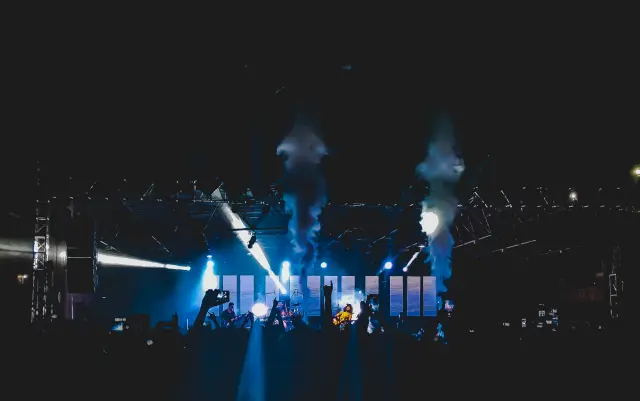
The design of the truss system has a direct impact on how lighting is experienced. The position and height of the truss determine how light is distributed across the stage and audience. A well-planned truss layout allows lighting designers to create layers of light, adding depth and complexity to the visual presentation.
For example, front trusses are typically used to provide clear illumination of performers. These positions ensure that artists are visible to the audience and cameras. Overhead trusses are used to create beam effects and atmospheric lighting, which define the mood of the show.
Side trusses add another dimension by introducing cross-lighting. This technique enhances contrast and makes the stage appear more dynamic. Fixtures such as concert moving head light units rely heavily on these positions to create sweeping beam effects that extend into the audience.
Coverage fixtures like wash moving head systems require proper spacing on the truss to ensure even lighting. Without careful planning, some areas may appear too bright while others remain underlit.
Types of Truss Systems Used in Touring Shows
Different types of truss systems are used depending on the requirements of the production. Box trusses are the most common choice for large concerts because they provide high strength and can support heavy loads. Their square shape offers stability and allows fixtures to be mounted on all sides.
Triangle trusses are lighter and are often used for smaller setups where weight is a concern. They are easier to transport and install but have lower load capacity compared to box trusses.
Circular or curved trusses are used for creative stage designs. They allow designers to create unique shapes and visual effects, making them popular in high-end productions where aesthetics are a priority.
Each type of truss has its advantages, and the choice depends on factors such as load requirements, stage size, and design goals.
Load Capacity and Structural Considerations
One of the most important aspects of truss systems is load capacity. Every truss has a maximum load it can support, and exceeding this limit can lead to serious safety risks. Professional buyers must ensure that the chosen truss system can handle the weight of all fixtures and accessories.
Heavy equipment such as concert strobe light systems can significantly increase the total load. In large productions, multiple units are often used, making accurate load calculation essential.
Load capacity is influenced by factors such as truss length, material quality, and connection points. Proper distribution of weight across the structure is critical to maintaining stability. Engineers often use safety factors to ensure that the system can handle more than the expected load.
In addition to static weight, dynamic forces such as movement and vibration must also be considered. These forces can affect the stability of the structure, especially in outdoor environments.
Why Truss Systems Are Essential for Touring Efficiency
Touring shows require truss systems that are not only strong but also efficient. Unlike fixed installations, touring rigs must be assembled and dismantled repeatedly. This makes ease of use a key consideration.
Modular truss systems are widely used in touring productions because they allow quick assembly. Standardized components ensure compatibility and reduce the risk of errors during setup. This saves time and lowers labor costs.
Transport efficiency is another important factor. Trusses must be lightweight enough to be transported easily while still maintaining structural strength. Aluminum is commonly used because it provides a good balance between weight and durability.
Efficient truss systems allow touring productions to maintain tight schedules and deliver consistent performance across different venues.
Integration with Advanced Lighting Systems
Modern truss systems are designed to support a wide range of lighting equipment. In addition to traditional fixtures, advanced systems such as concert laser light setups are often integrated into the truss.
These systems require precise alignment to achieve the desired visual effects. The truss must provide stable mounting points and allow accurate positioning. Proper integration ensures that all lighting elements work together to create a cohesive visual experience.
In large productions, multiple layers of trusses may be used to support different types of equipment. This creates a complex but highly flexible system that can adapt to various performance requirements.
Common Mistakes in Truss System Design
One of the most common mistakes is selecting a truss system without considering load requirements. This can lead to overloading and potential safety issues. Another common problem is poor layout planning, which can result in inefficient lighting coverage.
Ignoring transport and installation requirements is also a frequent mistake. A system that is difficult to assemble can increase setup time and costs. Proper planning is essential to avoid these issues.
Finally, lack of integration with lighting design can reduce the effectiveness of the entire system. The truss and lighting must be designed together to achieve the best results.
What Professional Buyers Should Evaluate
When choosing a truss lighting system, buyers should consider several factors. Structural strength and safety certification are the most important. The system must meet industry standards and be able to handle the required load.
Flexibility is another key factor. A versatile truss system can be used in different types of events, providing better value over time. Ease of installation and transport should also be considered, especially for touring productions.
Finally, compatibility with lighting fixtures is essential. The truss must allow fixtures to be positioned correctly to achieve the desired lighting effects.
Truss Lighting Systems – FAQs
What is the best truss type for large concert touring shows?
Box trusses are commonly used because they offer high strength and can support heavy loads while allowing flexible fixture placement.
How is truss load capacity determined in stage production?
Load capacity is determined by the truss design, material quality, span length, and connection points, with safety factors applied.
Why are modular truss systems preferred in touring?
They allow quick assembly and disassembly, reducing setup time and improving efficiency across multiple venues.
What should buyers focus on when selecting truss systems?
Buyers should focus on strength, safety certification, flexibility, and compatibility with lighting equipment.
For rigging setup, see lighting rig setup.