
Concert Lighting Rig Setup Guide for Large Stage Productions
In large-scale stage productions, lighting fixtures often receive the most attention. However, behind every successful lighting show is a carefully designed rigging system that makes everything possible. A lighting rig is not simply a support structure for equipment. It is a critical component that determines how effectively lighting can be positioned, controlled, and experienced by the audience.
For professional buyers such as production companies, rental providers, and touring engineers, understanding lighting rig setup is essential. A well-designed rig allows lighting fixtures to perform at their full potential, ensures safety during operation, and improves efficiency during installation. In modern productions, rigging is no longer treated as a separate element. Instead, it is integrated into a complete concert lighting system where structure and lighting are planned together.
Understanding the Role of Rigging in Lighting Design
Lighting rigging plays a much larger role than simply holding fixtures in place. It directly influences how lighting interacts with performers, the stage, and the audience. The position, height, and structure of the rig determine the angles at which light is projected, the coverage area of each fixture, and the overall depth of the visual design.
For example, a lighting system installed too low may produce strong brightness but lack the wide coverage needed for large audiences. On the other hand, a system installed too high may cover a large area but lose intensity and precision. Finding the right balance is one of the key challenges in professional rig design.
Additionally, rigging defines how different lighting layers work together. Movement effects, color washes, and spotlighting all depend on accurate positioning. Without a properly designed rig, these layers cannot be combined effectively, resulting in a flat or unbalanced visual experience.
How Rig Structure Influences Stage Coverage and Depth
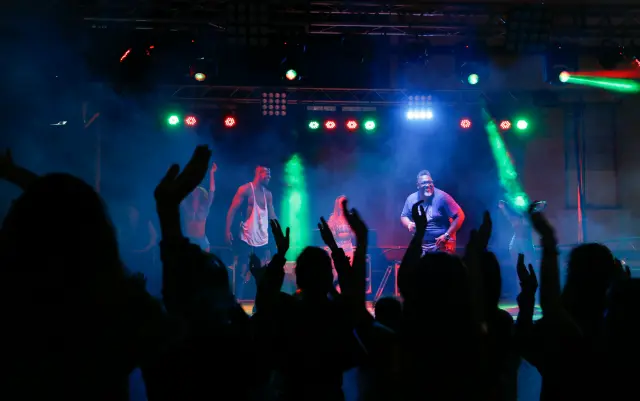
The structure of a lighting rig determines how well the stage is covered and how much visual depth can be achieved. In large productions, multiple truss layers are often used to create a three-dimensional lighting effect. These layers include front trusses, overhead trusses, and side structures, each serving a specific purpose.
Front trusses are primarily used for illuminating performers. They provide clear visibility and ensure that the audience can see facial expressions and stage actions. Overhead trusses, on the other hand, are used to create atmospheric effects. Fixtures mounted here can produce beams that extend into the audience, adding a sense of scale to the performance.
Side trusses are often used to add depth and contrast. By projecting light from different angles, they create a layered effect that enhances the overall visual experience. Fixtures such as concert moving head light rely heavily on these positions to produce dynamic beam effects across large spaces.
At the same time, coverage fixtures like wash moving head units require proper spacing and height to ensure even illumination. Without careful planning, some areas of the stage may appear too bright while others remain underlit.
Load Management and Structural Safety in Rig Setup
One of the most critical aspects of rigging is load management. Lighting fixtures, cables, and accessories all contribute to the total weight placed on the structure. In large productions, this weight can reach several tons, making proper load distribution essential for safety.
Professional rigging begins with accurate calculations. Engineers determine the weight of each fixture, including heavy units such as concert strobe light systems. These weights are then distributed evenly across the truss system to prevent stress on any single point.
Safety factors are also applied to ensure that the rig can handle more than the expected load. This provides a margin of safety in case additional equipment is added or unexpected forces are applied. Proper load management not only prevents accidents but also ensures that the structure remains stable during operation.
In addition to load distribution, safety equipment such as clamps and safety cables must be used correctly. These components provide backup support in case primary mounting points fail, reducing the risk of accidents.
Adapting Rig Setup for Different Production Environments
Different types of events require different rigging approaches. Indoor venues often have fixed suspension points, allowing trusses to be hung from the ceiling. This provides flexibility in positioning and is ideal for controlled environments such as theaters and arenas.
Outdoor events present different challenges. Without overhead support, ground-based structures must be used. These rigs are typically larger and designed to handle environmental factors such as wind. Stability becomes a key concern, and additional reinforcement may be required.
Touring productions introduce another layer of complexity. The rig must be assembled and dismantled repeatedly in different locations. This requires modular systems that can be quickly installed without compromising safety. Lightweight materials are often used to reduce transportation costs while maintaining structural strength.
In many cases, advanced effects such as concert laser light systems are integrated into these rigs. This requires precise alignment to ensure that beams are projected correctly across the stage and audience.
Efficiency and Practical Considerations in Real Projects
In real-world applications, efficiency is just as important as design. A rig that takes too long to assemble can increase labor costs and delay production schedules. For this reason, professional setups are designed with installation in mind.
Modular truss systems are commonly used because they allow quick connections and easy adjustments. Standardized components ensure compatibility and reduce the risk of errors during assembly. Clear labeling and planning also help teams work more efficiently on site.
Another important factor is accessibility. Technicians must be able to reach fixtures safely for installation and maintenance. This may require lifts, ladders, or motorized systems, depending on the height and complexity of the rig.
Efficient rigging not only saves time but also improves overall performance by ensuring that fixtures are installed correctly from the start.
Common Mistakes That Reduce Rig Performance
Even experienced teams can make mistakes when setting up lighting rigs. One of the most common issues is overloading the structure. This often happens when additional fixtures are added without recalculating the total weight.
Poor positioning is another frequent problem. If fixtures are not placed correctly, the lighting design may not achieve the intended effect. This can lead to uneven coverage or reduced visual impact.
Cable management is also often overlooked. Disorganized cables can create safety hazards and make maintenance more difficult. Proper routing and securing of cables are essential for both safety and efficiency.
Finally, lack of planning can result in inefficient setups. Without a clear design, installation can take longer and increase the risk of errors.
What Professional Buyers Should Evaluate Before Choosing a Rig
When selecting a rigging system, professional buyers should consider several factors. Structural strength is the most important, as it directly affects safety. The system must be able to handle the expected load with a sufficient safety margin.
Compatibility with lighting fixtures is also critical. The rig should allow flexible positioning to accommodate different types of equipment. Ease of installation is another key factor, especially for touring productions where time is limited.
Buyers should also consider long-term usability. A flexible system that can be adapted to different projects provides better value over time. Investing in a reliable rigging system can improve efficiency and reduce costs in the long run.
Lighting Rig Setup – FAQs
How do professional teams calculate lighting rig load?
They calculate the total weight of all fixtures and accessories, then distribute it evenly across the structure while applying safety margins.
What is the biggest risk in lighting rig setup?
The biggest risk is uneven load distribution, which can lead to structural instability.
How do touring productions improve rigging efficiency?
They use modular systems and standardized components to speed up installation and reduce errors.
What should buyers focus on when choosing rigging systems?
They should prioritize safety, structural strength, flexibility, and compatibility with lighting equipment.
For structure systems, see truss lighting systems.