
How Theatre Lighting Design Influences Audience Experience on Stage
Theatre lighting design does far more than illuminate performers. In professional stage productions, lighting directly shapes how audiences emotionally experience a performance. It controls visual focus, atmosphere, tension, pacing, intimacy, and even subconscious emotional reactions throughout a live show.
Audiences may not consciously analyze lighting design during a production, but they immediately feel its impact. A well-designed lighting system can make a stage feel immersive and emotionally powerful, while poor lighting design can make even strong performances feel flat or disconnected.
Modern productions increasingly treat lighting as part of the storytelling process itself — not simply as technical support.
If you are planning a theatre lighting systems project, understanding how lighting influences audience perception is essential for building productions that feel visually immersive and emotionally engaging.
Why Theatre Lighting Has Such Strong Emotional Impact
Human emotional perception is strongly connected to visual atmosphere.
Lighting affects:
- Attention focus
- Emotional tension
- Scene pacing
- Visual depth
- Psychological atmosphere
Professional lighting designers use these psychological effects intentionally to shape audience experience throughout a performance.
Common mistake: treating theatre lighting as simple visibility instead of emotional storytelling.
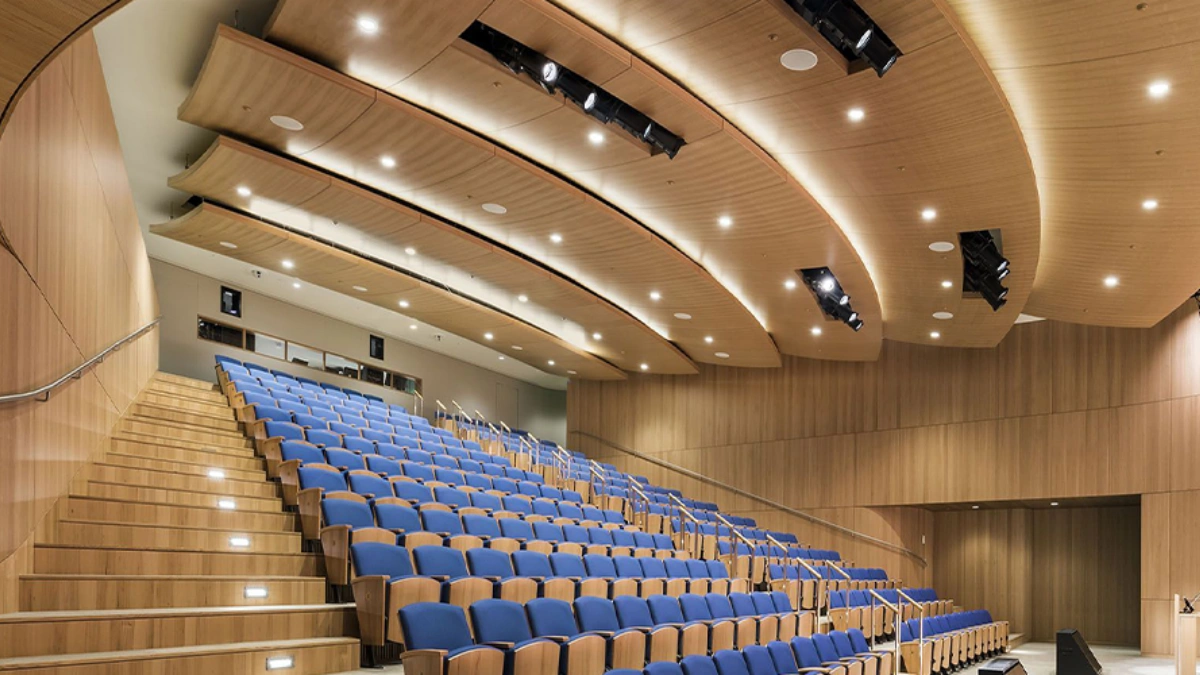
The 6 Main Ways Theatre Lighting Influences Audience Experience
1. Directing Audience Attention
Lighting tells audiences where to look.
Professional productions use:
- Spotlight isolation
- Brightness contrast
- Directional lighting
- Controlled beam focus
This allows lighting designers to guide audience attention naturally during performances.
Example: a single isolated performer under focused lighting immediately becomes the emotional center of the scene.
2. Creating Emotional Atmosphere
Lighting color, intensity, and contrast directly influence emotional perception.
Examples:
- Warm amber lighting creates intimacy
- Cold blue lighting creates isolation
- High contrast creates tension
- Soft fades create calm emotional pacing
Professional productions design lighting around emotional transitions rather than simply scene visibility.
3. Building Stage Depth and Immersion
Flat stages reduce audience immersion.
Professional lighting systems create depth using:
- Backlighting
- Side lighting
- Layered intensity
- Background scenic lighting
This makes performances feel larger and more cinematic.
4. Controlling Scene Rhythm and Pacing
Lighting transitions influence how audiences emotionally process scene changes.
Professional cue systems control:
- Fade timing
- Transition speed
- Intensity movement
- Scene pacing
Fast transitions create energy and urgency, while slow fades create emotional weight.
5. Supporting Storytelling
Theatre lighting often becomes part of the narrative structure itself.
Lighting can:
- Represent emotional states
- Separate time periods
- Highlight symbolic moments
- Support character focus
Professional lighting design always supports the story instead of competing with it.
6. Enhancing Production Quality Perception
Audiences often judge production quality subconsciously through lighting.
Professional lighting improves:
- Visual clarity
- Stage composition
- Atmosphere consistency
- Emotional immersion
Good lighting design can dramatically increase perceived production professionalism.
The Most Important Lighting Layers for Audience Immersion
Front Visibility Lighting
Audiences must clearly see performers’ faces and emotional expressions.
Professional setup:
- Balanced front angles
- Soft edge beam coverage
- Controlled shadow management
Weak front lighting reduces emotional connection immediately.
Wash Lighting
Wash lighting creates visual consistency across the stage.
Fixtures such as wash moving head are commonly used because they provide:
- Smooth stage coverage
- Flexible color mixing
- Atmosphere support
Consistent wash lighting helps maintain audience immersion throughout performances.
Side and Back Lighting
These layers create dimensionality and dramatic separation.
Professional productions use side lighting to:
- Enhance body movement
- Create silhouette effects
- Increase emotional tension
Background and Scenic Lighting
Background lighting strongly influences scene atmosphere.
Professional techniques include:
- Gradient scenic washes
- Textured beam projection
- Color transitions
- Shadow composition
This layer often determines the emotional mood of the production.
How Different Theatre Genres Use Lighting Psychology
Drama Productions
- Subtle emotional transitions
- Controlled pacing
- Natural atmosphere support
Musical Theatre
- Dynamic movement synchronization
- Large-scale visual transitions
- Rhythm-focused cue timing
Experimental Theatre
- Abstract visual symbolism
- High contrast composition
- Atmosphere-focused lighting
Modern Hybrid Productions
- Projection integration
- LED scenic environments
- Advanced cue synchronization
How Modern LED Technology Changed Audience Experience
Modern LED systems significantly expanded creative lighting possibilities.
Advantages include:
- Advanced color flexibility
- Smoother dimming transitions
- Programmable movement
- Lower heat output
- More precise cue synchronization
Modern LED systems allow productions to create more immersive emotional environments.
Common Theatre Lighting Mistakes That Reduce Audience Immersion
1. Overusing Movement Effects
Problem: visual distraction from storytelling
Fix: simplify movement and focus on emotional support
2. Flat Lighting Composition
Problem: weak stage depth
Fix: add layered side and back lighting
3. Inconsistent Mood Transitions
Problem: emotional disconnect between scenes
Fix: design lighting around emotional pacing
4. Poor Visibility Balance
Problem: audiences lose emotional connection with performers
Fix: improve front visibility lighting structure
How Professional Designers Build Audience-Focused Lighting Systems
Professional productions design lighting around audience psychology first.
Professional strategies include:
- Layered emotional lighting
- Cue-based storytelling
- Visual pacing control
- Flexible atmosphere transitions
Lighting becomes part of the audience journey through the performance.
Why Audience Experience Matters in Modern Theatre Production
Modern audiences expect immersive visual experiences.
Professional theatre lighting helps productions:
- Increase emotional engagement
- Create memorable visual moments
- Improve storytelling clarity
- Strengthen production professionalism
Lighting is no longer just technical support — it is part of the creative language of modern theatre.
👉 Build Theatre Lighting Systems That Create Emotional Impact
The best theatre lighting systems are not the brightest or most complicated — they are the systems that support emotional storytelling and audience immersion.
Professional productions focus on:
- Audience psychology
- Layered lighting composition
- Emotional cue timing
- Balanced visibility
- Atmosphere-driven storytelling
If you want to explore modern creative approaches that make theatre productions visually unforgettable, this guide explains the next stage in detail: lighting design guide .
FAQs
How does theatre lighting influence audience experience?
Lighting controls focus, atmosphere, pacing, and emotional perception during performances.
Why is lighting important in theatre storytelling?
It supports emotional atmosphere and guides audience attention.
What lighting creates emotional tension?
Cool tones, high contrast, and directional lighting often create dramatic tension.
Why is stage depth important in theatre lighting?
Depth increases immersion and visual realism.
What is the biggest lighting mistake in theatre?
Using excessive effects that distract from storytelling.
Why are LED systems popular in modern theatre?
They provide flexible color control and advanced cue programming.