
DMX Lighting Console Guide for Stage and Event Lighting Control
DMX lighting consoles are the foundation of modern stage and event lighting control. Whether in concerts, theaters, or live productions, DMX systems allow operators to control multiple lighting fixtures with precision and efficiency. Without DMX, it would be impossible to coordinate large numbers of fixtures in a synchronized way.
For professional buyers, understanding how a lighting control console works within a DMX system is essential when building scalable and reliable lighting solutions. A well-designed DMX console system ensures smooth operation, flexibility, and long-term performance.
What Is DMX and Why It Is Essential in Lighting Control
DMX (Digital Multiplex) is a communication protocol used to control lighting fixtures. It allows a lighting console to send digital signals to multiple devices through a single cable. Each signal contains information about how a fixture should behave, including brightness, color, movement, and effects.
In modern lighting systems, DMX is the standard protocol used across the industry. It enables centralized control, allowing operators to manage hundreds of fixtures from a single console. This makes it possible to create complex lighting designs with precise timing.
Without DMX, lighting systems would require individual control of each fixture, which is impractical for large productions.
How DMX Lighting Consoles Work in Real Systems
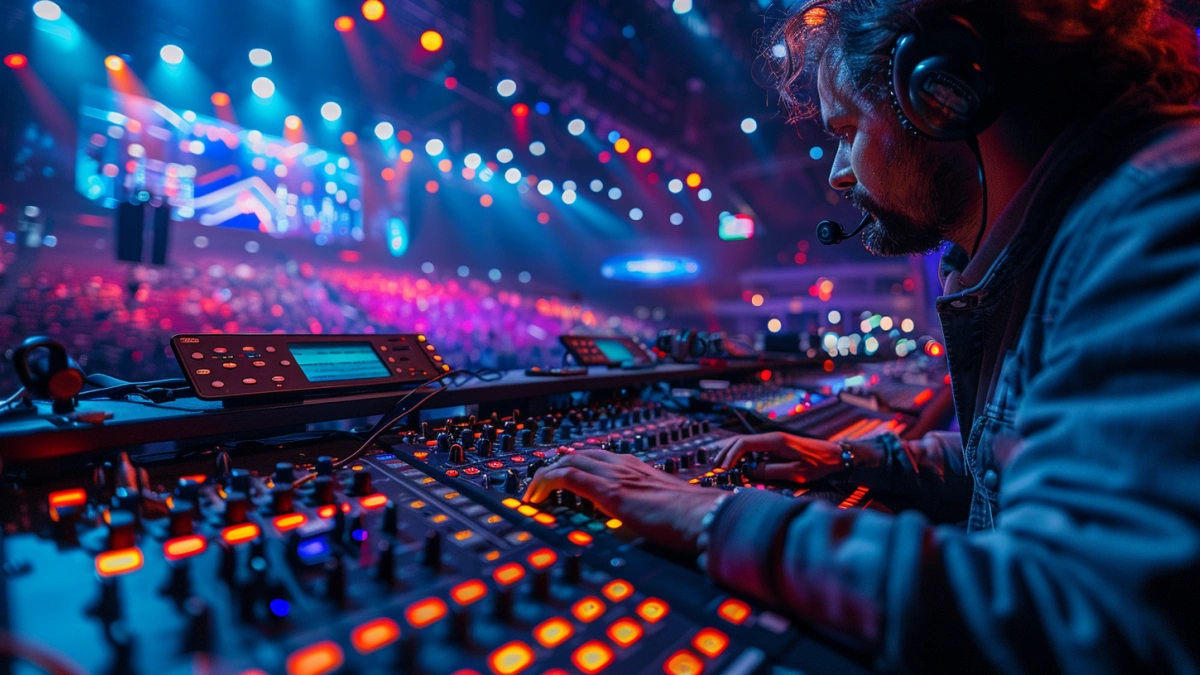
A DMX lighting console sends control signals through DMX cables or network protocols such as Art-Net. These signals are received by lighting fixtures, which respond according to their assigned addresses.
Each fixture is assigned a starting DMX address and occupies a certain number of channels. For example, a concert moving head light may use 20–30 channels to control its functions. These channels include parameters such as pan, tilt, color, gobo, and intensity.
Multiple fixtures are connected in a chain, allowing the console to control them sequentially. This structure enables efficient management of large lighting systems.
Understanding DMX Addressing and Channel Allocation
DMX addressing is one of the most important concepts in lighting control. Each fixture must be assigned a unique address to ensure proper operation. The address determines which channels the fixture responds to.
For example, if a fixture uses 20 channels and is assigned address 1, it will use channels 1–20. The next fixture must start at channel 21 to avoid overlap. Incorrect addressing can lead to control conflicts and unpredictable behavior.
In large systems, careful planning of channel allocation is essential to ensure efficient use of available DMX universes.
What Is a DMX Universe and How It Scales
A DMX universe consists of 512 channels. Each universe can control a limited number of fixtures depending on their channel requirements. For example, if each fixture uses 20 channels, one universe can control approximately 25 fixtures.
In professional productions, multiple universes are used to control larger systems. Medium-scale setups typically use 2–4 universes, while large productions may require 8–16 universes.
This scalability allows DMX systems to adapt to different production sizes, from small events to large concerts.
Example DMX Lighting Console Setup for Stage Events
To understand how DMX systems are applied in real projects, consider a typical stage setup. A medium-sized production may include 1 DMX console controlling 60–100 fixtures.
The system may include 40 beam fixtures, 24 wash moving head units, and 12 concert strobe light systems. Additional concert laser light fixtures may be used for visual effects.
These fixtures are distributed across 4–8 DMX universes, ensuring stable control and flexibility. DMX splitters and signal boosters are used to maintain signal integrity.
Common Problems in DMX Lighting Systems
One of the most common issues is incorrect addressing, which can cause fixtures to respond unpredictably. Another problem is signal loss, which can occur if cables are too long or improperly connected.
Using high-quality cables and proper signal distribution equipment can help prevent these issues. Regular testing is also essential to ensure system reliability.
What Professional Buyers Should Consider
When selecting a DMX lighting console, buyers should consider the number of universes required, compatibility with fixtures, and scalability. A system that supports network protocols provides greater flexibility for large productions.
Ease of use is also important, as it affects programming efficiency. Reliable support and training are additional factors that can improve long-term performance.
FAQs
How many DMX channels does one fixture use?
It depends on the fixture, typically 10–30 channels.
What is a DMX universe?
A universe contains 512 control channels.
How many fixtures can one universe control?
It depends on channel usage, usually 20–30 fixtures.
What is the biggest DMX setup mistake?
Incorrect addressing and poor signal distribution.
For usage details, see how to use DMX.