
Professional Theatre Lighting Systems for Modern Stage Productions
Professional theatre lighting systems are no longer just collections of stage fixtures. Modern productions rely on fully integrated lighting environments that combine fixtures, DMX networks, lighting consoles, rigging systems, cue programming, and synchronized production workflows to create immersive audience experiences.
Whether for drama productions, musical theatre, concert-style performances, schools, or modern performance venues, the lighting system directly affects visibility, storytelling, emotional atmosphere, and production quality.
Many venues invest heavily in fixtures but still struggle with inconsistent stage coverage, unreliable DMX communication, poor cue timing, or outdated control systems. The problem is usually not the equipment itself — it is the overall system structure.
If you are planning a theatre lighting systems project, this guide explains how professional stage lighting systems are built, how they function during live productions, and how to avoid the most common system design mistakes.
What Makes a Theatre Lighting System “Professional”
A professional theatre lighting system is not defined by the number of fixtures. It is defined by how effectively all components work together during live productions.
A properly designed system should provide:
- Balanced stage visibility
- Reliable cue synchronization
- Flexible scene programming
- Stable DMX communication
- Scalable production workflows
Common mistake: adding more fixtures without improving control infrastructure or lighting design.
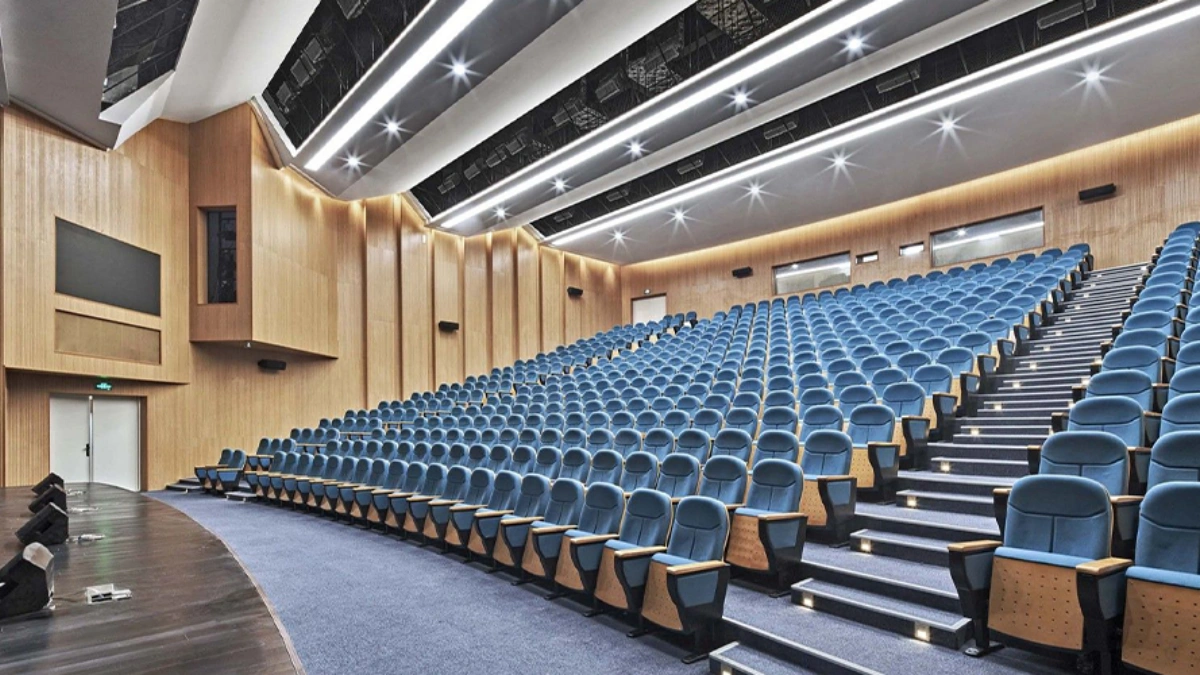
The 6 Core Components of a Professional Theatre Lighting System
1. Lighting Fixtures
Lighting fixtures create the visible stage output audiences experience during performances.
Modern theatre systems typically combine multiple fixture types:
- Profile fixtures
- Wash fixtures
- Spotlights
- Beam fixtures
- LED bars
Fixtures such as wash moving head are widely used because they provide flexible beam coverage, smooth color mixing, and modern LED efficiency.
Professional goal: combine fixture types to create layered lighting environments instead of relying on a single style of output.
2. Lighting Consoles
The lighting console is the operational center of the entire system.
Professional consoles control:
- Lighting cues
- Fixture intensity
- Movement programming
- Color transitions
- Scene timing
Modern productions rely heavily on cue-based workflows programmed before performances begin.
Common issue: using control systems that are too limited for production complexity.
3. DMX Networking Systems
DMX is the communication protocol that connects consoles and fixtures together.
Professional DMX systems manage:
- Fixture addressing
- Signal distribution
- Cue synchronization
- Movement control
- Color programming
Reliable DMX infrastructure is essential for stable live productions.
Common problems caused by weak DMX systems:
- Signal loss
- Fixture communication failures
- Delayed cue responses
4. Rigging and Positioning Systems
Fixture positioning directly affects lighting quality.
Professional theatres use:
- Lighting truss systems
- Ceiling rigging bars
- Motorized hoists
- Safety mounting systems
Correct rigging allows designers to build layered and balanced stage coverage.
5. Power Distribution Infrastructure
Large-scale theatre productions require stable power management systems.
Professional power infrastructure includes:
- Power distribution units
- Circuit separation
- Backup protection systems
- Cable management layouts
Weak power systems can cause production instability during performances.
6. Cue Programming and Production Workflow
Professional theatre lighting is built around cue programming.
Lighting designers create sequences that synchronize:
- Intensity changes
- Movement timing
- Color transitions
- Scene focus
Operators then trigger these cues during live performances.
This transforms lighting from static illumination into active storytelling.
How Theatre Lighting Systems Work During Live Productions
Professional productions follow structured workflows:
- Design lighting layout
- Install and patch fixtures
- Configure DMX addressing
- Program lighting cues
- Rehearse timing and transitions
- Operate cues during performances
The entire system must operate reliably under live conditions.
Modern Theatre Lighting Systems vs Traditional Systems
Traditional Systems
- Manual dimming workflows
- Limited color flexibility
- Large power consumption
- Minimal automation
Modern LED-Based Systems
- Advanced color mixing
- Programmable movement
- Digital cue programming
- Lower heat output
- More efficient power usage
Modern LED systems provide significantly greater production flexibility.
Theatre Lighting System Design Strategies
1. Layered Lighting Design
Professional productions use multiple lighting layers:
- Front visibility lighting
- Wash coverage lighting
- Backlighting
- Atmosphere lighting
This creates visual depth and storytelling flexibility.
2. Flexible Fixture Positioning
Modern productions often require changing stage layouts.
Professional systems are designed to allow:
- Fixture repositioning
- Expandable DMX layouts
- Additional production layers
3. Scalable Infrastructure
Venues should avoid building systems that immediately reach technical limitations.
Professional strategy:
- Use expandable consoles
- Design scalable DMX networks
- Prepare for future fixture additions
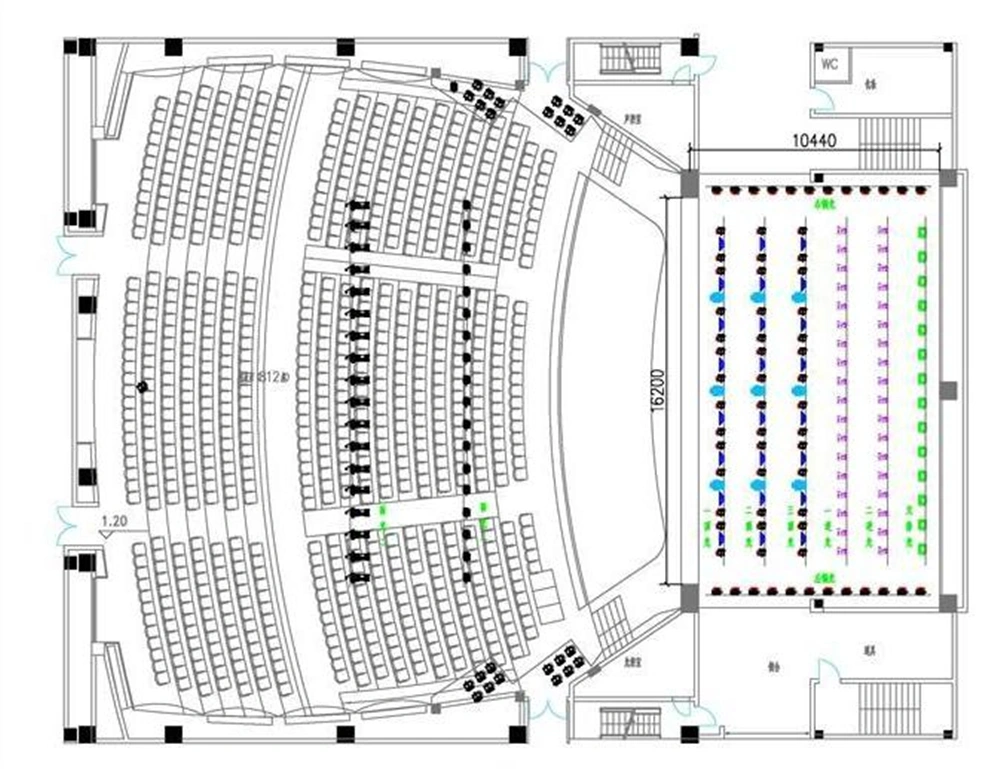
Common Problems in Theatre Lighting Systems
1. Uneven Stage Coverage
Cause: poor fixture placement
Fix: redesign beam overlap and stage angles
2. Weak Cue Synchronization
Cause: poor programming workflow
Fix: simplify cue structures and rehearsal timing
3. DMX Signal Failures
Cause: weak infrastructure or incorrect addressing
Fix: improve signal distribution systems
4. Flat Visual Appearance
Cause: lack of depth lighting layers
Fix: add side lighting and backlighting
How Theatre Lighting Systems Influence Audience Experience
Audiences experience lighting emotionally even if they do not consciously analyze it.
Professional lighting systems improve:
- Audience immersion
- Visual focus
- Scene clarity
- Emotional storytelling
- Production professionalism
Lighting systems are one of the most important factors in how audiences perceive production quality.
Why Modern Venues Invest in Advanced Theatre Lighting Systems
Modern performance venues increasingly require:
- Flexible production capability
- Fast setup workflows
- Programmable control systems
- Multi-event compatibility
- Energy-efficient LED systems
Professional lighting systems support a wider range of productions while reducing operational limitations.
👉 Build Theatre Lighting Systems Designed for Real Productions
The best theatre lighting systems are not the most complicated — they are the systems that reliably support live productions, storytelling, and scalable stage workflows.
Professional productions focus on:
- Layered lighting design
- Reliable DMX infrastructure
- Cue-based operation
- Flexible rigging systems
- Scalable production workflows
If you want to understand the foundations of theatre lighting before designing larger production systems, this guide explains the core concepts in detail: what is theatre lighting .
FAQs
What is a theatre lighting system?
A theatre lighting system combines fixtures, consoles, DMX control, rigging, and programming to support stage productions.
What is the most important part of a theatre lighting system?
Reliable control systems and balanced lighting design.
Why do theatres use DMX systems?
DMX allows synchronized fixture control and cue programming.
What fixtures are commonly used in theatre lighting?
Wash lights, profile fixtures, spotlights, and beam fixtures.
What is the biggest theatre lighting system mistake?
Adding fixtures without scalable control infrastructure.
Why are LED theatre systems popular?
They provide flexible color control, efficiency, and advanced programming capabilities.