
What Is Theatre Lighting and How Professional Stage Lighting Works
Theatre lighting is one of the most important elements in stage production because it shapes how audiences see performers, understand emotions, and experience the atmosphere of a live performance. While many people think theatre lighting is simply about making the stage brighter, professional lighting design actually controls visibility, focus, mood, timing, and visual storytelling.
Modern theatre productions rely on advanced lighting systems that combine fixtures, control consoles, DMX networks, rigging systems, and programming workflows to create immersive stage environments.
If you are planning or upgrading a theatre lighting project, understanding how professional stage lighting works is the foundation for building effective and scalable production systems.
What Theatre Lighting Actually Does in Stage Productions
Professional theatre lighting is not just illumination — it is a visual storytelling system.
In live productions, lighting is responsible for:
- Directing audience attention
- Creating emotional atmosphere
- Supporting scene transitions
- Enhancing visual depth
- Helping performers remain visible
Common misunderstanding: thinking brighter lighting automatically creates better stage visuals.
Reality: good theatre lighting is about control, balance, timing, and composition.
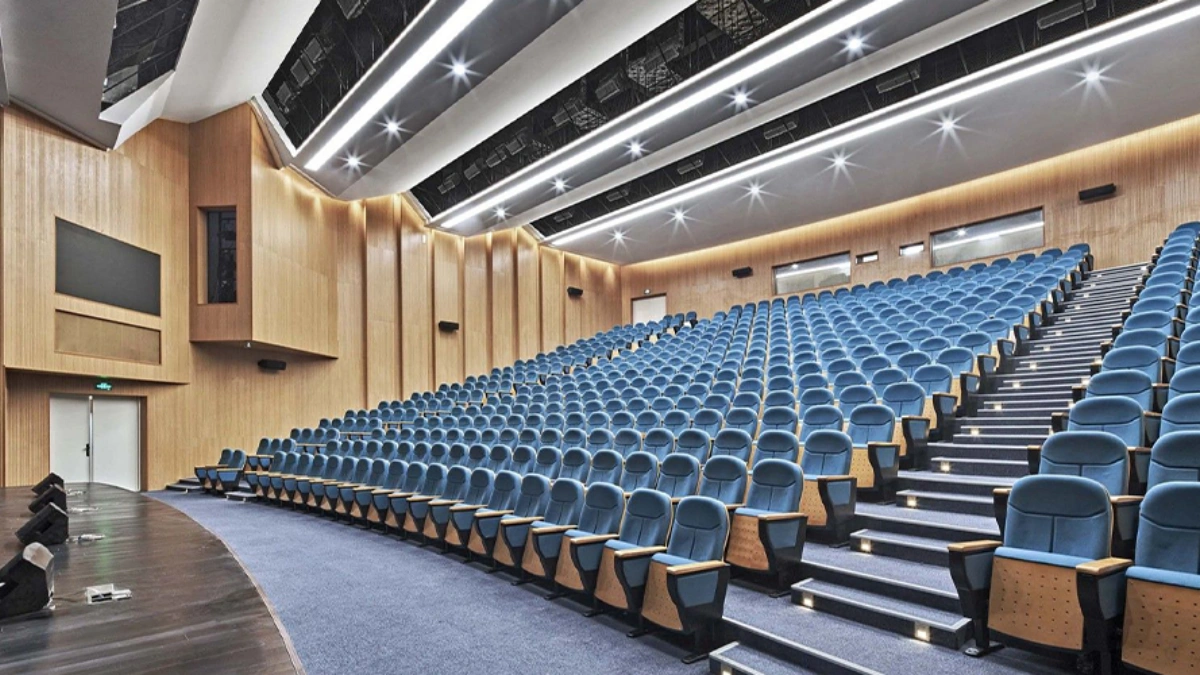
The 5 Core Functions of Professional Theatre Lighting
1. Visibility
The most basic function of stage lighting is visibility.
Actors, presenters, and performers must remain clearly visible from multiple audience angles.
Professional approach:
- Use front key lighting
- Avoid harsh shadows
- Balance brightness across the stage
Poor visibility immediately reduces production quality.
2. Focus and Attention Control
Lighting tells audiences where to look.
Professional productions use:
- Spot lighting
- Intensity contrast
- Directional beams
These techniques guide audience attention naturally during performances.
3. Atmosphere and Emotion
Lighting directly affects emotional perception.
Examples:
- Warm tones create intimacy
- Cool tones create tension
- Dark shadows create drama
- Dynamic movement creates excitement
Professional lighting designers carefully match lighting mood to the performance narrative.
4. Stage Depth and Dimension
Without proper lighting layers, stages appear visually flat.
Professional theatre lighting creates depth through:
- Backlighting
- Side lighting
- Background lighting
- Layered beam positioning
This makes productions feel larger and more immersive.
5. Scene Transition and Timing
Lighting controls pacing and scene transitions.
Professional productions use:
- Fade timing
- Cue sequences
- Color transitions
- Movement synchronization
Lighting often becomes the invisible structure connecting the entire performance together.
The Main Components of a Theatre Lighting System
1. Lighting Fixtures
Fixtures are the visible hardware that produces light output.
Modern theatre systems often combine:
- Profile fixtures
- Wash lights
- Spotlights
- Beam fixtures
- LED bars
Fixtures such as wash moving head are widely used because they provide flexible coverage and color control.
2. Lighting Consoles
The lighting console is the control center of the entire system.
It manages:
- Cue programming
- Fixture intensity
- Movement
- Color control
- Scene transitions
Professional productions rely heavily on programmed lighting workflows.
3. DMX Control Systems
DMX is the communication protocol that connects consoles to lighting fixtures.
Without DMX systems, synchronized lighting control would not be possible.
DMX controls:
- Brightness
- Movement
- Color
- Effects
- Programming cues
4. Rigging and Installation Systems
Rigging systems support fixture positioning and stage coverage.
Professional theatre environments use:
- Truss systems
- Ceiling bars
- Rigging clamps
- Safety cables
Correct positioning is essential for balanced lighting design.
5. Power and Signal Infrastructure
Stable power and signal systems ensure reliable operation during performances.
Common infrastructure elements:
- DMX splitters
- Power distribution systems
- Signal boosters
- Cable management systems
Infrastructure quality directly affects system stability.
How Professional Theatre Lighting Works During Live Performances
Professional productions rely on pre-programmed lighting cues.
Lighting designers create sequences that control:
- Intensity changes
- Color transitions
- Movement timing
- Scene focus
During performances, operators trigger these cues in synchronization with actors, music, and stage action.
Result: lighting becomes part of the storytelling process itself.
Modern Theatre Lighting vs Traditional Lighting Systems
Traditional Theatre Lighting
- Limited color flexibility
- Manual dimming systems
- Higher heat output
- Large power consumption
Modern LED Theatre Lighting
- Advanced color mixing
- Programmable movement
- Lower energy consumption
- Streaming-friendly output
Modern LED systems provide significantly more flexibility for stage productions.
Common Problems in Theatre Lighting Systems
1. Uneven Stage Coverage
Cause: poor fixture placement
Fix: redesign beam overlap and stage angles
2. Flat Visual Appearance
Cause: no depth lighting layers
Fix: add side lighting and backlighting
3. Overcomplicated Programming
Cause: poor cue structure
Fix: simplify programming workflows
4. Weak Emotional Impact
Cause: lighting disconnected from stage narrative
Fix: design lighting around performance storytelling
How Theatre Lighting Impacts Audience Experience
Audiences may not consciously analyze lighting, but they immediately feel its impact.
Good theatre lighting improves:
- Audience immersion
- Visual clarity
- Emotional connection
- Stage atmosphere
- Production quality perception
Lighting is often one of the biggest factors separating amateur productions from professional performances.
How Modern Productions Combine Lighting and Technology
Modern theatre productions increasingly integrate:
- LED systems
- DMX networking
- Timecode synchronization
- Digital consoles
- Automated cue programming
This creates more precise and immersive production workflows.
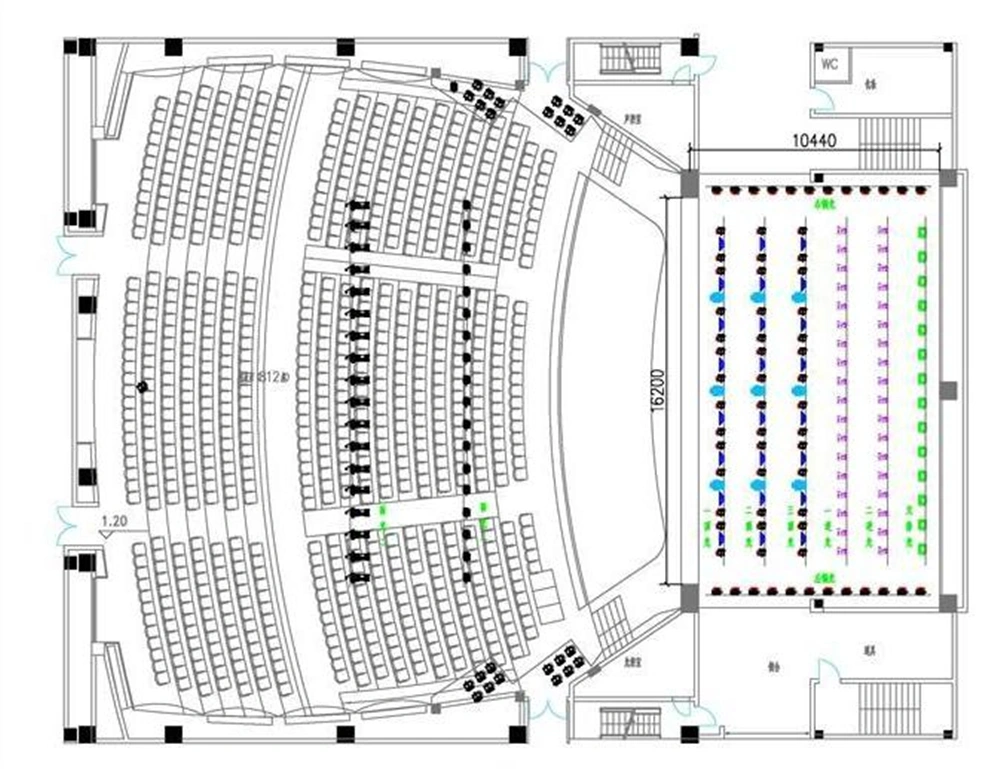
👉 Build Theatre Lighting Systems That Support Real Productions
The best theatre lighting systems are not simply bright — they are systems designed around storytelling, visibility, atmosphere, and operational reliability.
Professional productions focus on:
- Balanced lighting layers
- Reliable DMX infrastructure
- Cue-based programming
- Flexible fixture positioning
- Scalable production workflows
If you want to understand how complete production lighting systems are structured in modern venues, this guide explains the next stage in detail: theatre lighting systems .
FAQs
What is theatre lighting?
Theatre lighting is a system used to illuminate stages and support visual storytelling during performances.
What is the most important function of theatre lighting?
Visibility, audience focus, atmosphere, and scene control.
How do theatre lighting systems work?
Lighting consoles control fixtures through DMX programming and cue systems.
Why is stage lighting important in theatre?
It shapes audience experience and supports the production narrative.
What equipment is used in theatre lighting?
Fixtures, consoles, DMX systems, rigging, and power infrastructure.
What is the biggest theatre lighting mistake?
Using lighting without considering storytelling and stage composition.