
How to Choose LED Theatre Lighting Fixtures for Professional Stages
Choosing LED theatre lighting fixtures is one of the most important decisions in modern stage production because the right fixtures directly affect visibility, atmosphere, cue flexibility, audience immersion, and long-term operational efficiency.
Many theatres and performance venues invest in lighting equipment based only on wattage or fixture quantity, but professional productions evaluate fixtures very differently. The best theatre lighting systems are designed around storytelling, beam control, color accuracy, cue synchronization, and production workflow — not simply brightness.
Modern theatres increasingly require flexible LED lighting solutions capable of supporting drama productions, musical theatre, live performances, schools, multi-purpose venues, and hybrid streaming environments.
If you are planning a theatre lighting equipment project, this guide explains how professional productions choose LED theatre lighting fixtures, what technical factors actually matter, and how to avoid the most common purchasing mistakes.
Why LED Fixtures Became the Standard for Modern Theatre Productions
Traditional theatre fixtures provided strong visibility but had major operational limitations.
Traditional fixture challenges:
- High heat output
- Limited color flexibility
- Frequent lamp replacement
- Large power consumption
- Restricted cue flexibility
Modern LED fixtures solve many of these problems while expanding creative possibilities.
Professional advantages of LED fixtures:
- Advanced color mixing
- Smooth dimming performance
- Lower operating costs
- Programmable movement
- More flexible cue integration
LED systems allow productions to create more cinematic and emotionally immersive stage environments.
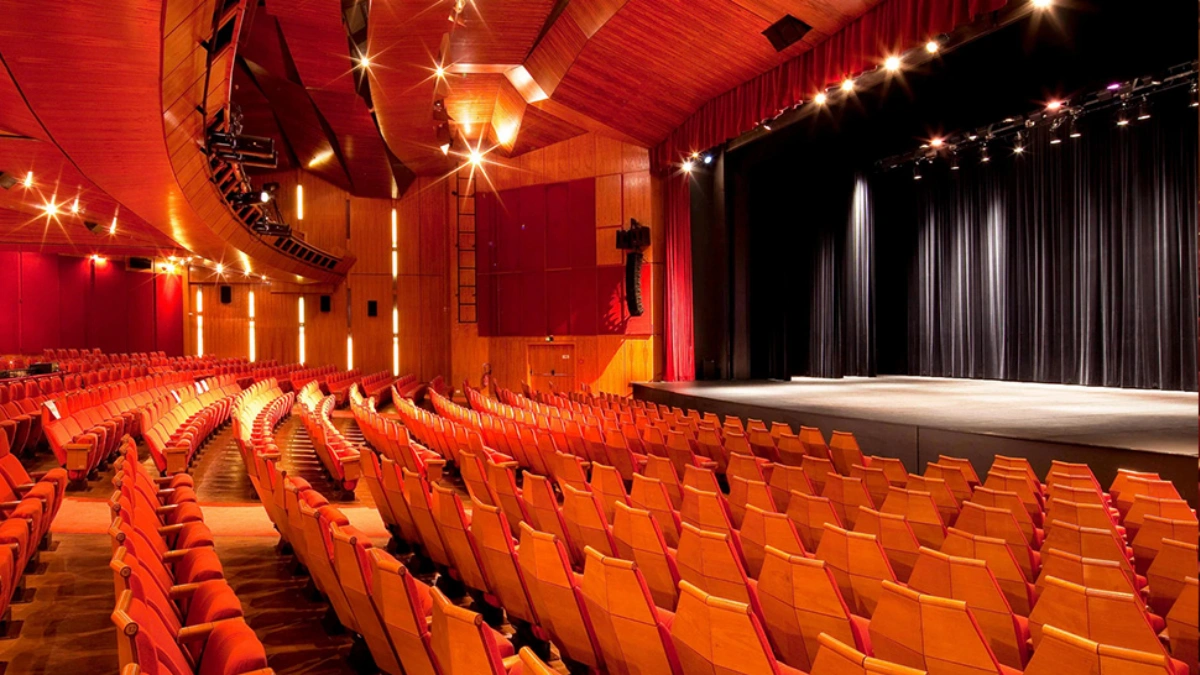
The 8 Most Important Factors When Choosing LED Theatre Lighting Fixtures
1. Color Quality and Rendering
Color quality is one of the most overlooked factors in theatre lighting.
Professional productions require fixtures with:
- Natural skin tone rendering
- Accurate white balance
- Smooth color transitions
Why this matters:
Poor color rendering can make performers appear unnatural and reduce audience immersion.
Professional recommendation: prioritize fixtures with strong theatrical color reproduction instead of focusing only on brightness.
2. Dimming Performance
Theatre productions rely heavily on subtle fade transitions.
Professional-quality LED fixtures should provide:
- Smooth dimming curves
- No visible stepping
- Consistent fade timing
Common mistake: choosing fixtures with unstable low-level dimming.
This immediately reduces production quality during emotional scenes.
3. Beam Angle and Coverage
Different theatre productions require different beam characteristics.
Wide beam fixtures:
- Better for wash coverage
- Smooth atmosphere creation
- Large scenic environments
Narrow beam fixtures:
- Audience focus control
- Dramatic isolation effects
- Precision spotlighting
Professional systems combine multiple beam styles together.
4. Fixture Flexibility
Modern productions require systems that support multiple event types.
Fixtures such as wash moving head are widely used because they combine:
- Wide wash coverage
- Color flexibility
- Programmable movement
- Cue adaptability
This allows venues to support drama, musical theatre, live events, and hybrid productions using the same infrastructure.
5. Noise Level
Fixture noise is extremely important in theatre environments.
Professional theatres require:
- Quiet cooling systems
- Low fan noise
- Silent dimming operation
Common problem: loud fixture fans becoming audible during quiet scenes.
This can immediately break audience immersion.
6. DMX and Control Compatibility
Modern productions rely heavily on cue-based control systems.
Professional LED fixtures should support:
- Stable DMX communication
- Reliable addressing
- Advanced cue programming
- Smooth synchronization
Weak control integration causes:
- Delayed cue timing
- Unstable transitions
- Programming limitations
7. Rigging and Installation Flexibility
Professional stages often change production layouts.
Important fixture considerations:
- Weight
- Mounting flexibility
- Truss compatibility
- Positioning adaptability
Flexible installation improves long-term production scalability.
8. Long-Term Reliability
Theatre productions require reliable fixtures capable of operating consistently over time.
Professional reliability factors include:
- Stable electronics
- Quality cooling systems
- Durable movement components
- Consistent color calibration
Reliability strongly affects operational costs and production stability.
How Professional Productions Combine Different Fixture Types
Front Visibility Fixtures
Used for:
- Facial visibility
- Audience focus
- Scene clarity
Wash Fixtures
Used for:
- Atmosphere creation
- Stage coverage
- Color transitions
Beam and Spot Fixtures
Used for:
- Dramatic isolation
- Audience direction
- Visual impact moments
Background and Scenic Fixtures
Used for:
- Environmental atmosphere
- Textured visuals
- Scenic enhancement
Professional productions rarely rely on a single fixture category alone.
How Different Venue Types Choose LED Theatre Fixtures
Drama Theatres
- Quiet operation
- Natural color rendering
- Smooth dimming
Musical Theatre Venues
- Dynamic movement capability
- Flexible color transitions
- Large-scale wash coverage
School and Community Venues
- Simplified operation
- Expandable infrastructure
- Budget-conscious flexibility
Multi-Purpose Venues
- Fast scene adaptability
- Flexible fixture positioning
- Programmable presets
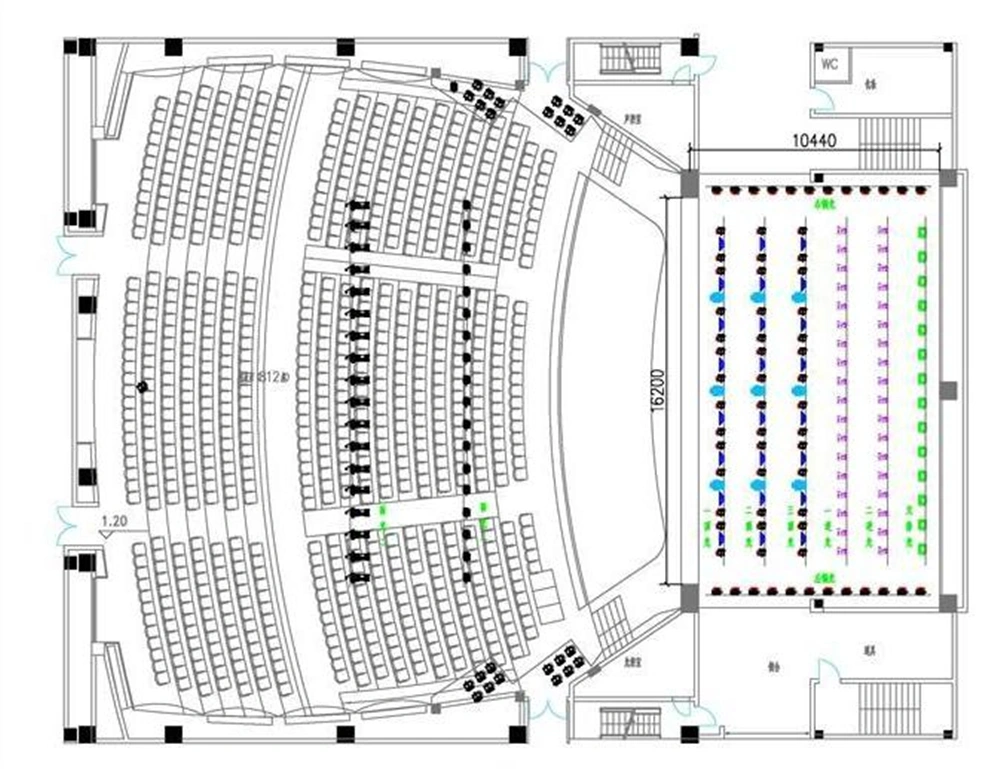
Common LED Theatre Fixture Buying Mistakes
1. Choosing Fixtures Based Only on Brightness
Problem: poor theatrical atmosphere and harsh visuals
Fix: prioritize dimming quality and color rendering
2. Ignoring Fixture Noise
Problem: audience distraction during quiet scenes
Fix: select low-noise theatre-grade fixtures
3. Weak DMX Compatibility
Problem: unstable cue synchronization
Fix: use professional-grade control-compatible fixtures
4. No Scalability Planning
Problem: systems become outdated quickly
Fix: design expandable infrastructure from the beginning
How LED Fixture Selection Affects Audience Experience
The quality of theatre fixtures strongly affects how audiences perceive productions.
Professional fixture selection improves:
- Emotional immersion
- Visual clarity
- Scene atmosphere
- Production professionalism
- Audience engagement
Lighting equipment quality often determines whether productions feel cinematic or amateur.
How Professional Venues Build Scalable LED Theatre Systems
Modern theatres increasingly require systems that support future growth.
Professional scalability strategies:
- Expandable DMX infrastructure
- Upgradeable consoles
- Flexible truss systems
- Additional fixture capacity
This allows venues to adapt to changing production requirements over time.
👉 Choose LED Theatre Fixtures Designed for Real Productions
The best LED theatre lighting fixtures are not simply the brightest or most expensive — they are the fixtures that support emotional storytelling, reliable cue operation, and scalable production workflows.
Professional productions focus on:
- Color quality
- Smooth dimming performance
- Reliable DMX compatibility
- Quiet operation
- Flexible production integration
If you want to understand how complete theatre lighting equipment systems are structured for modern venues and stage productions, this guide explains the next stage in detail: LED theatre lighting systems .
FAQs
What are the best LED theatre lighting fixtures?
Professional fixtures with strong color rendering, smooth dimming, quiet operation, and reliable DMX compatibility.
Why are LED fixtures popular in theatre?
They provide flexible color control, lower power usage, and advanced cue programming.
What is the biggest LED fixture buying mistake?
Choosing fixtures based only on brightness instead of theatrical performance quality.
Why is dimming quality important in theatre?
Theatre productions rely heavily on smooth emotional fade transitions.
Why does fixture noise matter in theatre?
Loud fixture fans can distract audiences during quiet scenes.
How do professional venues build scalable lighting systems?
They use expandable DMX infrastructure and flexible fixture layouts.