
LED Theatre Lighting Systems for Professional Stage and Performance Venues
LED theatre lighting systems have transformed modern stage production by providing greater flexibility, lower power consumption, advanced color control, and more efficient production workflows compared to traditional theatrical lighting systems.
Today’s professional theatres, drama venues, musical productions, schools, and multi-purpose performance spaces increasingly rely on LED lighting technology because it supports both creative visual storytelling and practical operational efficiency.
However, many venues still struggle with flat stage visuals, inconsistent color performance, weak dimming quality, or unreliable control systems — even after upgrading to LED fixtures. The problem is often not the fixtures themselves, but how the complete lighting system is designed and integrated.
If you are planning a led theatre lighting project, this guide explains how professional LED theatre lighting systems are structured, how modern productions use them effectively, and how to avoid the most common system design mistakes.
Why LED Theatre Lighting Became the Industry Standard
Traditional theatre lighting systems were effective for visibility, but they had major operational limitations.
Traditional system challenges:
- High heat output
- Large power consumption
- Limited color flexibility
- Frequent lamp replacement
- Restricted programming capability
Modern LED systems solved many of these problems while dramatically increasing creative flexibility.
Professional advantages of LED systems:
- Advanced color mixing
- Smoother dimming control
- Lower operating costs
- Programmable movement integration
- Better cue synchronization
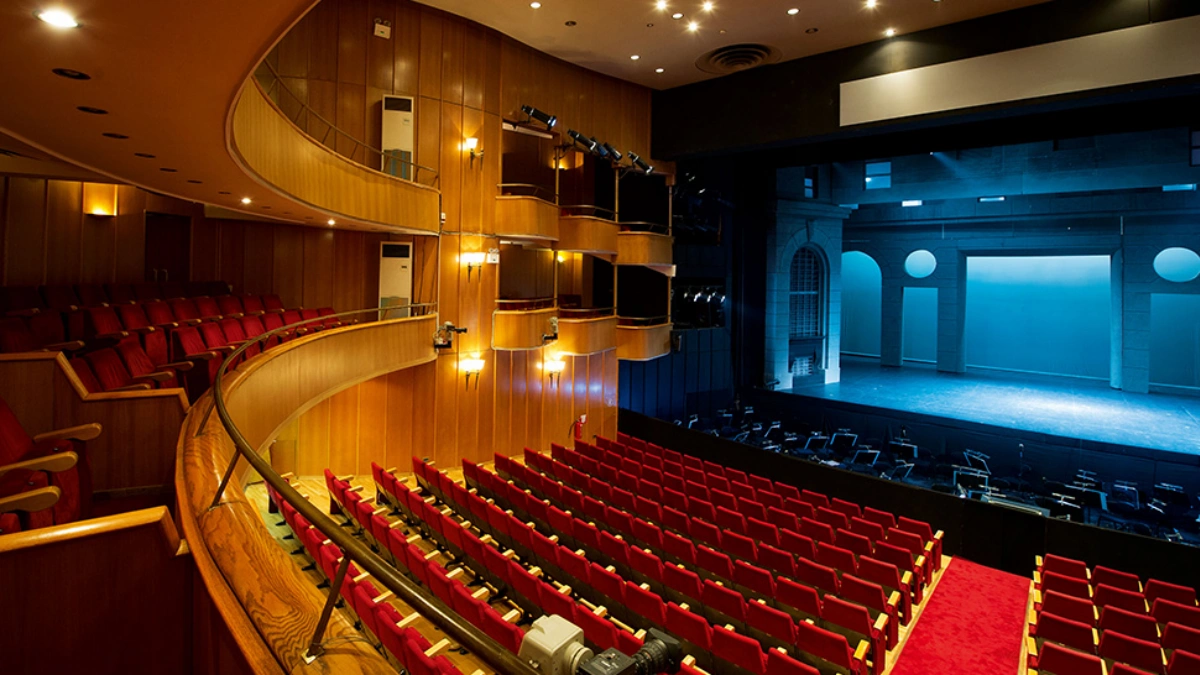
The 7 Core Components of a Professional LED Theatre Lighting System
1. Front Visibility Lighting
Front lighting remains the foundation of all theatre lighting systems.
Professional LED advantages:
- Natural skin tone rendering
- Smooth dimming transitions
- Consistent color temperature
Professional front lighting improves:
- Facial visibility
- Audience focus
- Scene clarity
Most common mistake: using overly harsh front intensity that flattens the stage visually.
2. LED Wash Lighting Systems
Wash lighting creates atmosphere and stage coverage.
Fixtures such as wash moving head are widely used because they provide:
- Wide beam spread
- Flexible color mixing
- Smooth atmospheric layering
- Dynamic cue transitions
Professional strategy: build layered wash environments instead of relying on a single color wash.
3. Side and Back Lighting Layers
LED side and back lighting create depth and stage separation.
Professional benefits include:
- Enhanced performer outlines
- Improved visual dimension
- Greater emotional atmosphere
These layers are critical in drama and musical theatre productions.
4. LED Background and Scenic Lighting
Modern productions increasingly use LED systems for scenic atmosphere.
Applications include:
- Gradient scenic lighting
- Color transitions
- Textured visual environments
- Architectural stage washes
LED systems allow designers to create cinematic stage environments more efficiently.
5. Lighting Consoles and Cue Programming
Modern LED systems depend heavily on cue-based programming.
Professional lighting consoles manage:
- Scene transitions
- Intensity timing
- Color programming
- Movement synchronization
- Cue sequencing
Professional workflow: lighting cues are programmed around emotional pacing and production timing.
6. DMX Networking Infrastructure
DMX systems connect LED fixtures into synchronized production workflows.
Professional DMX infrastructure includes:
- DMX splitters
- Signal boosters
- Redundant pathways
- Structured addressing systems
Common problems caused by weak DMX design:
- Signal delays
- Color synchronization issues
- Cue instability
7. Rigging and Fixture Positioning
Even advanced LED fixtures perform poorly if positioned incorrectly.
Professional positioning strategy:
- Layered fixture angles
- Flexible truss systems
- Balanced beam overlap
- Scalable rigging layouts
Fixture placement strongly affects audience immersion.
How LED Theatre Lighting Improves Modern Productions
1. Better Emotional Atmosphere
LED systems provide smoother color transitions and more precise emotional control.
2. Greater Production Flexibility
Modern venues can quickly adapt productions using programmable cue systems.
3. Lower Operational Costs
LED systems reduce:
- Power usage
- Heat generation
- Maintenance requirements
4. Improved Streaming Compatibility
Modern LED systems work better with:
- Broadcast cameras
- Live streaming environments
- Hybrid productions
LED Theatre Lighting Strategies for Different Venue Types
Drama Theatres
- Subtle emotional cue timing
- Balanced front visibility
- Controlled atmosphere lighting
Musical Theatre Venues
- Dynamic color transitions
- Large-scale wash coverage
- Rhythm-based cue programming
School and Community Theatres
- Simplified operation workflows
- Expandable infrastructure
- Volunteer-friendly systems
Modern Multi-Purpose Venues
- Flexible programming presets
- Scalable fixture layouts
- Fast setup transitions
Common LED Theatre Lighting Mistakes
1. Poor Color Calibration
Problem: inconsistent stage atmosphere
Fix: standardize fixture color profiles
2. Weak Dimming Performance
Problem: visible fade stepping
Fix: use professional-grade dimming systems
3. Flat Stage Appearance
Problem: lack of depth lighting layers
Fix: add side and back lighting structure
4. Weak DMX Infrastructure
Problem: unstable cue synchronization
Fix: improve signal redundancy and distribution
How LED Theatre Lighting Improves Audience Experience
Modern LED systems significantly improve audience immersion.
Professional LED lighting enhances:
- Visual clarity
- Emotional atmosphere
- Scene transitions
- Production professionalism
- Visual memorability
Lighting often becomes one of the strongest emotional and visual elements of the performance.
How Professional Venues Build Scalable LED Theatre Systems
Professional venues increasingly require systems that support evolving production requirements.
Professional scalability strategies:
- Expandable DMX infrastructure
- Upgradeable consoles
- Flexible truss systems
- Additional fixture capacity
This allows venues to support future productions without major reconstruction.
👉 Build LED Theatre Lighting Systems Designed for Real Productions
The best LED theatre lighting systems are not simply brighter or more colorful — they are systems designed around storytelling, emotional atmosphere, production flexibility, and long-term operational reliability.
Professional productions focus on:
- Layered lighting composition
- Reliable cue workflows
- Audience immersion
- Flexible programming systems
- Scalable production infrastructure
If you want to understand how to choose professional LED fixtures that match different venue types and production requirements, this guide explains the next stage in detail: LED lighting fixtures .
FAQs
What are LED theatre lighting systems?
They are modern lighting systems using LED fixtures for stage visibility, atmosphere, and cue programming.
Why are LED systems popular in theatre?
They provide flexible color control, lower power consumption, and advanced programming capability.
What is the biggest LED theatre lighting mistake?
Poor system integration and weak DMX infrastructure.
How do LED systems improve audience experience?
They create smoother transitions and more immersive visual environments.
Why is wash lighting important in theatre?
It creates stage coverage and emotional atmosphere.
How do professional venues build scalable LED systems?
They use expandable DMX networks and flexible rigging structures.