
Professional Theatre Lighting Setup Guide for Modern Performance Venues
Professional theatre lighting setup is one of the most important parts of building a successful performance venue. A well-designed setup does more than illuminate the stage — it supports storytelling, improves audience visibility, enables reliable cue execution, and creates immersive production environments for drama, musical theatre, live performances, and modern stage events.
Many venues purchase advanced lighting fixtures but still struggle with uneven coverage, poor cue synchronization, weak DMX infrastructure, or systems that become difficult to expand over time. In most cases, the problem is not the fixtures themselves, but the setup structure behind the entire production system.
If you are planning a professional theatre lighting project, this guide explains how modern performance venues design scalable theatre lighting setups that support real productions and long-term venue operation.
What Makes a Professional Theatre Lighting Setup Different
Professional theatre lighting setups are built around production workflow — not just fixture placement.
A properly designed venue setup should support:
- Balanced stage visibility
- Flexible cue programming
- Reliable DMX communication
- Scalable fixture positioning
- Efficient production operation
Common mistake: installing fixtures without planning long-term control infrastructure or production flexibility.
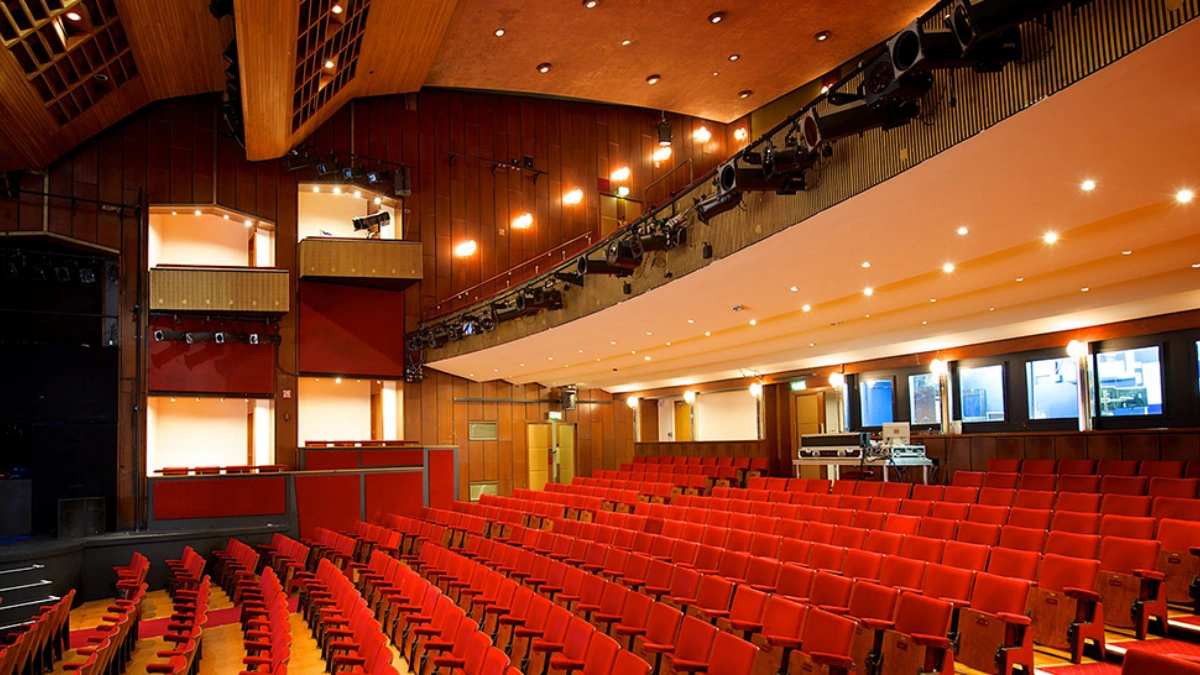
The 7 Core Components of a Professional Theatre Lighting Setup
1. Front Lighting System (Visibility Foundation)
Front lighting is the most important layer in theatre lighting design because it controls how performers are seen by audiences.
Professional setup principles:
- Position fixtures at 30°–45° angles
- Balance brightness evenly across the stage
- Avoid harsh downward-only lighting
Main purpose:
- Facial visibility
- Audience focus
- Scene clarity
Poor front lighting immediately lowers production quality.
2. Wash Lighting System (Coverage Layer)
Wash lighting creates smooth stage coverage and consistent visual balance.
Fixtures such as wash moving head are widely used because they provide:
- Wide beam spread
- Flexible color mixing
- Smooth dimming performance
Common setup issue: isolated wash fixtures creating uneven brightness.
Fix: overlap beam coverage across the full stage.
3. Side and Back Lighting (Depth Structure)
Depth lighting separates performers from backgrounds and adds dimensionality to stage environments.
Professional venues use:
- Side booms
- Back truss systems
- Overhead backlighting
This layer is critical for drama productions and modern theatrical visuals.
4. Background Lighting and Scenic Effects
Background lighting helps create the visual atmosphere of different scenes.
Professional techniques include:
- Gradient wall lighting
- Textured beam effects
- Scenic projection support
- Layered background color transitions
Background lighting strongly influences emotional tone and stage depth.
5. Lighting Consoles and Cue Systems
Modern productions rely heavily on cue-based programming.
The lighting console manages:
- Cue timing
- Scene transitions
- Intensity changes
- Movement synchronization
- Color transitions
Common mistake: using limited control systems that cannot scale with production complexity.
6. DMX Networking Infrastructure
DMX systems connect lighting consoles and fixtures into a synchronized control environment.
Professional DMX infrastructure includes:
- DMX splitters
- Signal boosters
- Redundant cabling paths
- Proper addressing workflows
Common problems caused by weak DMX setups:
- Signal interruption
- Delayed cue response
- Fixture communication failures
7. Rigging and Installation Systems
Fixture positioning is one of the most overlooked areas in theatre lighting setup.
Professional venues use:
- Lighting truss systems
- Pipe grids
- Motorized hoists
- Safety mounting hardware
Good rigging design improves both flexibility and safety.
How Modern Performance Venues Structure Lighting Workflows
Professional venues build lighting systems around repeatable workflows.
Typical production workflow:
- Fixture patching and addressing
- Lighting position focus
- Cue programming
- Technical rehearsal
- Performance operation
This structure improves consistency during live productions.
Lighting Setup Strategies for Different Venue Types
Drama Theatres
- Strong focus lighting
- Precise cue timing
- Subtle atmosphere transitions
Musical Theatre Venues
- Larger wash coverage
- Dynamic color transitions
- More movement synchronization
School Performance Venues
- Simplified cue workflows
- Volunteer-friendly systems
- Scalable infrastructure
Modern Multi-Purpose Venues
- Flexible fixture positioning
- Programmable scene presets
- Multi-event compatibility
How LED Technology Changed Theatre Lighting Setup
Modern LED systems have transformed venue lighting design.
Advantages include:
- Lower power consumption
- Advanced color control
- Lower heat output
- Programmable movement
- Faster production flexibility
LED systems allow venues to support a wider variety of productions.
Common Theatre Lighting Setup Mistakes
1. Poor Fixture Positioning
Result: uneven stage coverage
Fix: redesign fixture angles and beam overlap
2. Weak DMX Infrastructure
Result: unstable cue synchronization
Fix: improve signal distribution and redundancy
3. Flat Stage Appearance
Result: weak audience immersion
Fix: add side and back lighting layers
4. Overcomplicated Programming
Result: difficult operation during live performances
Fix: simplify cue structures and workflows
How Professional Theatre Lighting Setup Improves Audience Experience
Professional setups improve more than technical performance.
Good theatre lighting setups enhance:
- Audience immersion
- Visual clarity
- Scene transitions
- Emotional storytelling
- Production professionalism
Lighting setup quality strongly affects how audiences perceive the entire performance.
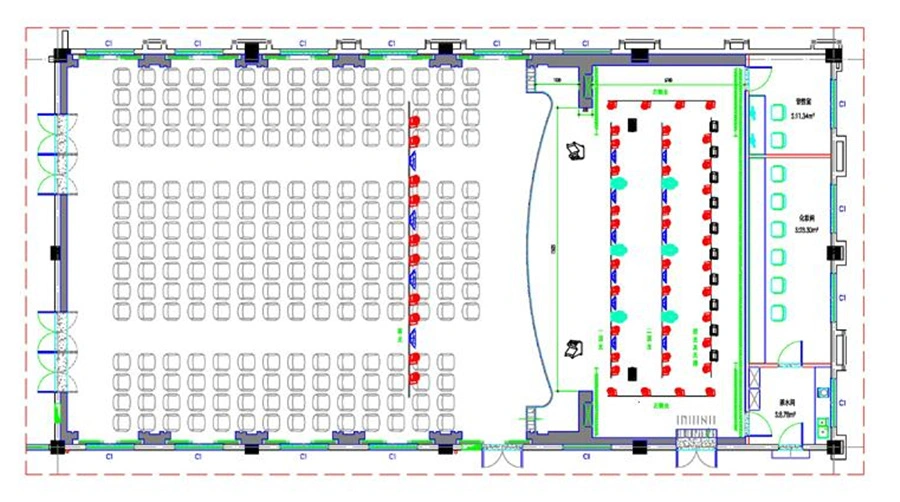
How Professional Venues Build Scalable Theatre Lighting Systems
Modern venues increasingly require flexible production infrastructure.
Professional scalability strategies:
- Expandable DMX networks
- Flexible rigging systems
- Upgradeable control consoles
- Additional fixture capacity
This allows venues to adapt to changing production requirements over time.
👉 Build Theatre Lighting Setups Designed for Real Productions
The best theatre lighting setups are not the most complicated — they are the systems that reliably support storytelling, cue operation, and scalable production workflows.
Professional venues focus on:
- Balanced lighting layers
- Reliable DMX infrastructure
- Cue-based workflows
- Flexible rigging systems
- Long-term scalability
If you want to understand how professional theatre stage lighting is designed for live performance storytelling, this guide explains the next stage in detail: theatre stage lighting design .
FAQs
What is a professional theatre lighting setup?
It is a complete lighting system designed to support live stage productions and cue-based workflows.
What is the most important part of a theatre lighting setup?
Balanced visibility lighting and reliable control systems.
Why is DMX important in theatre lighting?
DMX synchronizes fixtures and cue programming during performances.
What causes uneven stage lighting?
Poor fixture positioning and weak wash coverage.
Why do theatres use side and back lighting?
To create stage depth and emotional atmosphere.
What is the biggest theatre lighting setup mistake?
Building systems without scalable infrastructure or workflow planning.