
How to Plan Concert Light Shows for Large Live Performances
Planning a concert light show is the final step in creating a successful stage production. It brings together all elements of lighting, including fixtures, rigging, control systems, and design concepts. A well-planned light show enhances the performance, engages the audience, and creates a memorable experience.
For professional buyers, understanding how to plan a light show is essential. It ensures that resources are used efficiently and that the final result meets expectations. In modern productions, planning is closely linked to a complete concert light show strategy, where all components are coordinated.
Understanding the Structure of a Light Show
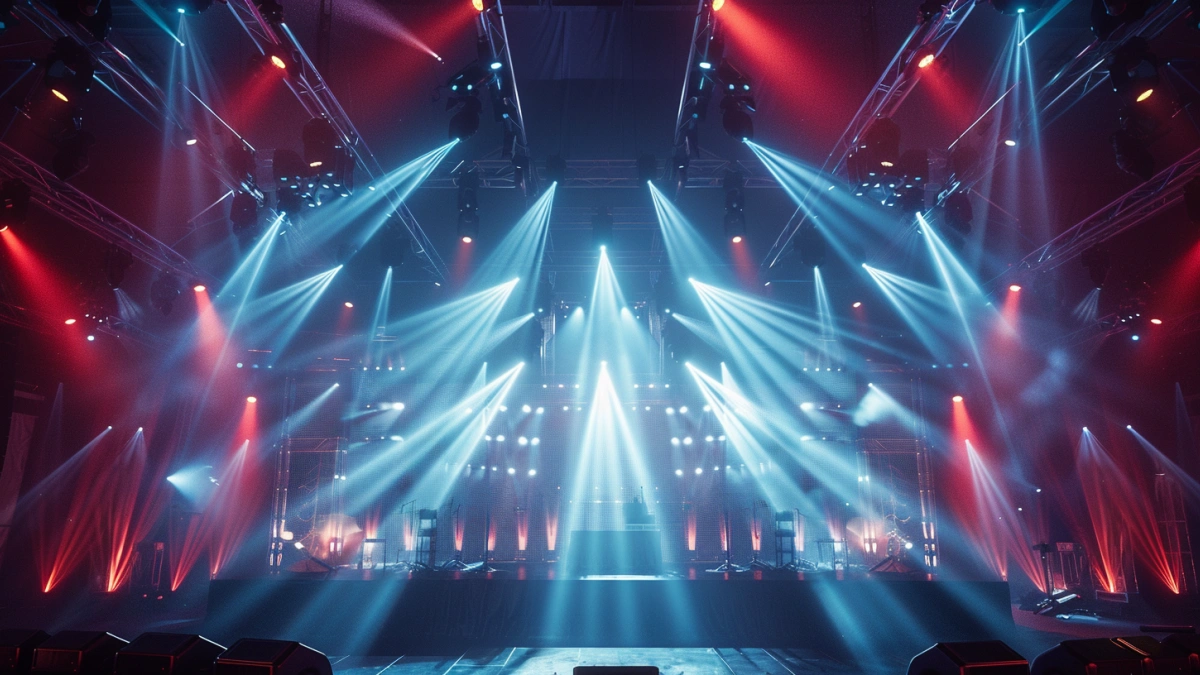
A concert light show is typically structured around the flow of the performance. It includes different sections such as intro, build-up, drop, and finale. Each section requires a different lighting approach to match the mood and energy of the music.
During the intro, lighting is usually minimal to build anticipation. As the music builds, lighting becomes more dynamic, with increased movement and intensity. At the drop, high-impact effects are used to create excitement. Finally, the finale combines all elements to deliver a strong ending.
Key Elements of Light Show Planning
Planning a light show involves several key elements. The first is fixture selection. Choosing the right combination of fixtures is essential for achieving the desired effects.
Fixtures such as concert moving head light are used for dynamic effects, while wash moving head fixtures provide coverage and atmosphere.
Control systems are another important element. These systems allow designers to program and execute lighting sequences. Advanced systems can synchronize lighting with music for precise timing.
Finally, layout planning ensures that fixtures are positioned correctly to achieve optimal coverage and effects.
How to Coordinate Lighting with Music and Performance
Coordination between lighting and music is essential for a successful light show. Lighting should enhance the performance rather than distract from it.
This involves synchronizing lighting effects with the rhythm and structure of the music. For example, strobe effects can be used to emphasize beats, while color changes can reflect mood transitions.
Proper coordination requires both technical skill and creative vision. Designers must understand the music and plan lighting accordingly.
Common Challenges in Light Show Planning
One of the main challenges is balancing complexity and clarity. Too many effects can overwhelm the audience, while too few can make the show feel dull.
Another challenge is ensuring consistency. Lighting must perform reliably throughout the event, especially in large productions.
Technical issues such as synchronization errors and equipment failures can also affect the show. Proper planning and testing are essential to minimize these risks.
Real Application in Large Concerts
In a large concert event, careful planning allowed the production team to create a seamless light show. By coordinating lighting with music and using a structured approach, they achieved a high level of performance quality.
This example highlights the importance of planning in achieving successful results.
What Professional Buyers Should Focus On
When planning a light show, buyers should focus on system compatibility, ease of use, and reliability. The system should support advanced features such as synchronization and automation.
Scalability is also important, allowing the system to be adapted to different event sizes. Investing in a flexible system ensures long-term value.
FAQs
What is the first step in planning a light show?
Understanding the structure of the performance and defining lighting goals.
How do designers synchronize lighting with music?
They use programming and control systems to align effects with the music.
What are common challenges?
Balancing complexity and ensuring consistent performance.
How can buyers choose the right system?
They should consider compatibility, scalability, and reliability.
For design strategies, see concert lighting design guide.